
Fast, Reliable Attic Insulation Across Apple Valley
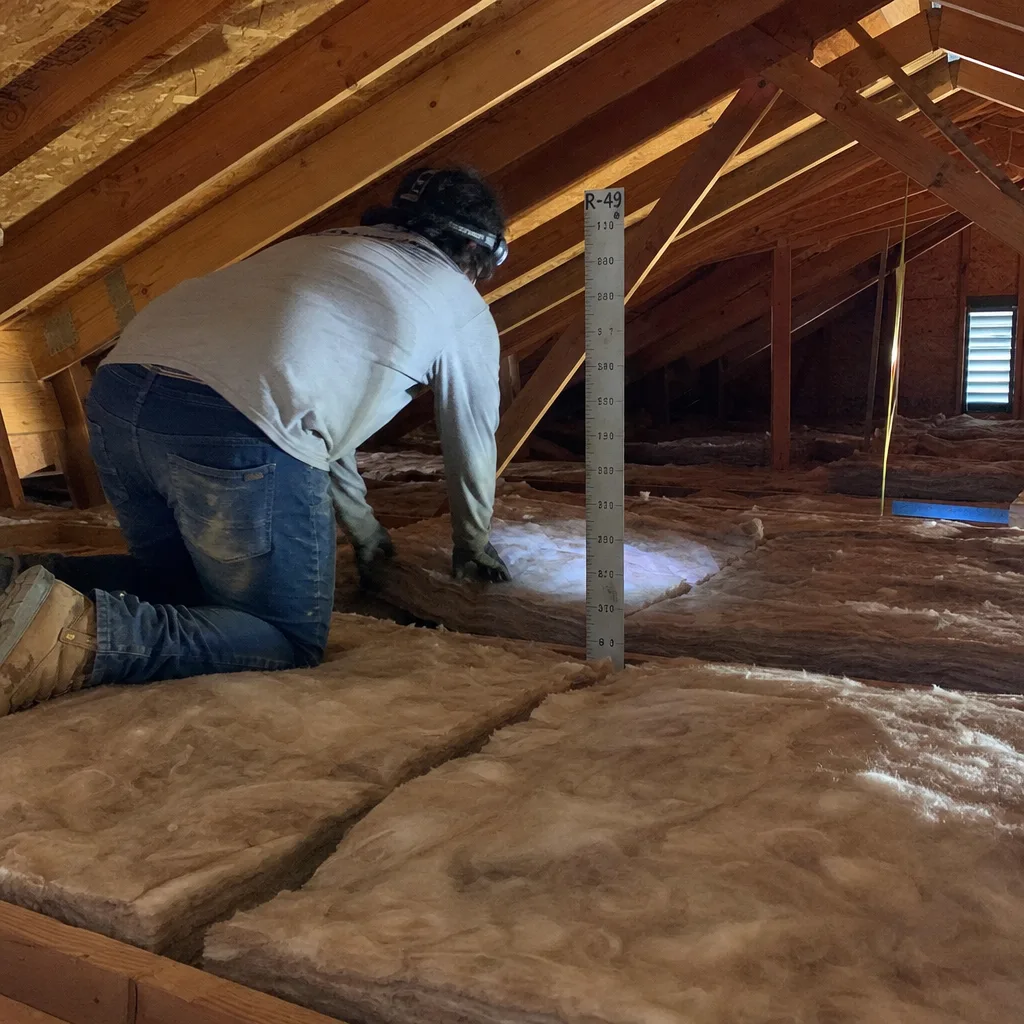
Attic insulation in Apple Valley has to work harder than in most Southern California towns. Summer afternoons push attic temperatures past 150°F, and winter nights regularly drop below freezing, so the material between your ceiling and roof deck is doing double duty year-round. We’re North Tustin Insulation, and we focus exclusively on insulation, matching the right product to each Apple Valley home instead of pushing whatever happens to be on the truck. Our crews work throughout the 92307 and 92308 ZIP codes, and owner Allen Decker oversees every estimate and recommendation. Call (877) 265-5712 for a free attic assessment, and we’ll give you a straight answer about what your home actually needs.
Why North Tustin Insulation Is Apple Valley’s Preferred Attic Insulation Company
Apple Valley homeowners call us because we carry eight insulation brands and three installation methods, so the recommendation comes from your home’s construction, not our inventory. A 1990s tract home off Bear Valley Road needs a different system than a custom build on a large lot near the Apple Valley Golf Course, and we stock the materials to handle both. Our technicians work in Apple Valley regularly, from the subdivisions around Sitting Bull Road to the newer developments west of Apple Valley Road, so we know what fails here and what holds up.
We carry Owens Corning and CertainTeed fiberglass, Rockwool mineral wool, GreenFiber recycled cellulose, and Icynene and Demilec spray foam systems. That matters because a one-brand contractor will always tell you their brand is the answer. We’ll tell you when a radiant barrier matters more than adding R-value, or when your real problem is ventilation, not insulation. Allen Decker built North Tustin Insulation around insulation-only work, meaning every technician on your Apple Valley job spends their days thinking about thermal boundaries, air sealing, and moisture control, not splitting time with roofing or HVAC calls.
Attic Ventilation in Apple Valley
Attic Ventilation in Apple Valley is often the missing piece when a home stays hot despite fresh insulation. Apple Valley’s high-desert sun bakes the roof deck all afternoon, and without proper airflow, that heat radiates down into living spaces and forces your AC to run constantly. Most Apple Valley homes built in the 1980s and 1990s have undersized eave vents or gable vents that don’t move nearly enough air for a 150°F attic. We often see attics where the insulation tests fine and the real culprit is a ventilation system moving less than half the air it should.
A typical attic ventilation assessment and upgrade in Apple Valley runs $800 to $2,400 depending on attic size, roof pitch, and whether we’re adding eave baffles, upgrading to a solar-powered exhaust fan, or rebalancing existing vents. Homes with cathedral ceiling sections or attached garage conversions usually land on the higher end because the airflow path is more complicated.
Baffles, Exhaust, and Intake Balance
Baffles keep blown-in insulation from blocking eave vents, a common problem when a previous installer piled cellulose or fiberglass right up to the roof edge. We check static pressure and cross-ventilation before recommending whether an Apple Valley attic needs more intake area, more exhaust, or both.
Signs Your Apple Valley Attic Is Under-Ventilated
You likely have a ventilation issue if upstairs rooms stay 8 to 10 degrees hotter than the rest of the house on summer afternoons, or if you see condensation on attic insulation or rafters during cold winter mornings, or if your AC runs nearly constantly from June through September while the house still feels stuffy.
Radiant Barrier in Apple Valley
Radiant Barrier in Apple Valley is the single most underrated upgrade for High Desert homes, because the problem here isn’t just heat, it’s radiated heat striking a west-facing roof deck at full force for six or seven hours every summer afternoon. A radiant barrier is a foil-faced material installed along the underside of the roof deck that reflects radiant heat before it ever enters the attic air. In Apple Valley’s 92307 and 92308 subdivisions, where large roof planes get little shade, a radiant barrier can cut attic temperatures by 20 to 30 degrees on a 100°F day.
Radiant barrier installation in Apple Valley typically runs $1,200 to $3,800 depending on attic square footage, roof configuration, and whether we’re stapling foil to rafters or laying it over existing insulation. It’s most cost-effective on west- and south-facing roof planes, which is where almost all the heat gain happens here.
Where Radiant Barrier Pays Off Fastest
Homes with exposed interior roof framing, low-pitch roofs, or attic access doors that face west get the fastest return. We measure surface temperatures on the roof deck before recommending it, so you’re not paying for a product your home doesn’t need.
Radiant Barrier vs. More Insulation
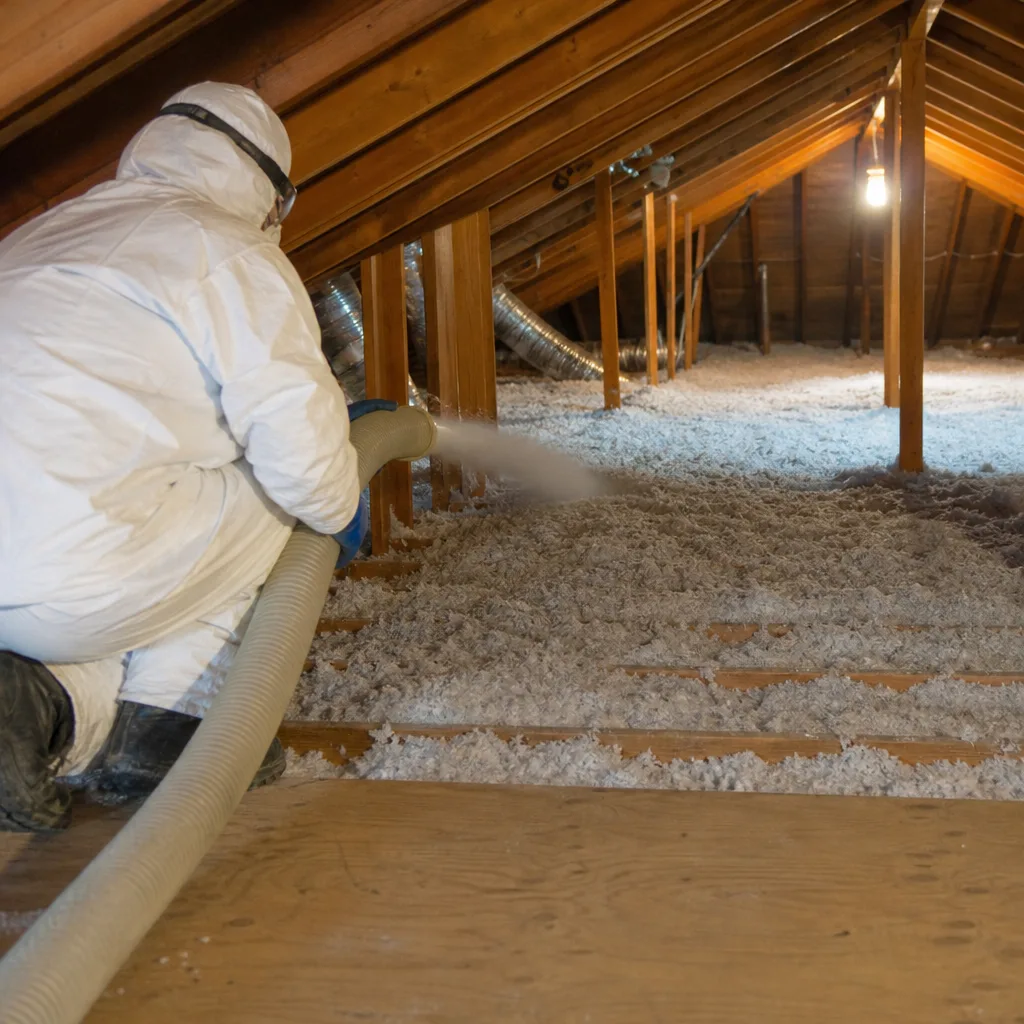
In Apple Valley, adding R-value on top of degraded fiberglass without addressing radiant heat often disappoints. A radiant barrier stops heat at the source, while insulation just slows it down once it’s already in the attic. For many Apple Valley tract homes, the combination of air sealing, a radiant barrier, and a corrected insulation depth delivers more comfort than simply blowing in six more inches.
Trusted Brands We Service in Apple Valley
We’re authorized to install Owens Corning and CertainTeed fiberglass products, and we stock GreenFiber cellulose, Rockwool mineral wool, and Icynene and Demilec spray foam for Apple Valley jobs. If you have an existing Owens Corning attic system that’s settled, or a Demilec spray foam application that needs inspection, we service it. Our proximity to the High Desert means we can schedule Apple Valley work quickly without making you wait on parts shipped from a distant warehouse. We match the material to your Apple Valley home, not the other way around.
Common Attic Insulation Problems We See in Apple Valley Homes
- Settled and compacted blown-in fiberglass. The 150°F attic heat in Apple Valley’s west-facing roof planes causes fiberglass to settle years ahead of schedule. We routinely find attics where R-19 or R-30 material reads as R-11 or worse once it’s compacted under the bake.
- Missing radiant barriers in 1980s – 2000s construction. Most Apple Valley tract and custom homes from this era were built without any radiant barrier. Heat radiates directly off the roof deck into attic air, overwhelming even fresh insulation.
- Unsealed top plates and recessed can lights. Slab-on-grade Apple Valley homes often have dozens of penetrations between the attic and living space. Hot attic air leaks down through those gaps while conditioned air leaks up, and the insulation can’t do its job when the envelope isn’t sealed.
- Attached garage and addition walls with no insulation. Many Apple Valley homeowners have converted garages or added rooms that were never insulated properly. Those spaces bake all summer and freeze on winter nights, dragging the whole house’s comfort down.
Pricing for Attic Insulation in Apple Valley, CA
Attic insulation projects in Apple Valley cover a wide range because the housing stock varies so much. A basic blown-in top-up over existing insulation in a standard 1,500-square-foot single-story home runs $1,400 to $2,800. Full removal and replacement, including air sealing and new baffles, typically lands between $3,500 and $6,500. Radiant barrier installation adds $1,200 to $3,800 depending on roof area, and attic ventilation upgrades run $800 to $2,400. Attic insulation replacement with Rockwool or GreenFiber tends to run $2,800 to $5,800 for a typical Apple Valley ranch home. Every estimate is free, and we give you a written breakdown with material options and prices before any work starts. Call (877) 265-5712 and Allen Decker will personally review your assessment.
We Also Serve Cities Near Apple Valley
Beyond Apple Valley, our crews regularly work in Mountain View Acres, Spring Valley Lake, Victorville, and Hesperia. The same High Desert attic conditions apply across the Victor Valley, and we schedule projects in these communities alongside our Apple Valley jobs to keep travel costs low for you.
Serving Apple Valley, CA — Our Local Coverage Area
We’re based in the Apple Valley area and know this community well. Use the map below to see our service coverage — if you’re nearby, we can almost certainly help.
FAQs About Attic Insulation in Apple Valley
Apple Valley’s attic temperatures exceed 150°F on summer afternoons, and that sustained heat causes blown-in fiberglass and cellulose to settle, compact, and lose R-value years before the same material would in a milder climate. Your neighbor in a cooler town isn’t dealing with a west-facing roof deck baking under the High Desert sun for six to seven hours daily. Call (877) 265-5712 and we’ll measure what your insulation is actually performing at, not what the bag says it started at.
Adding more on top helps only if the existing insulation is still intact, the attic is air-sealed, and the home has adequate ventilation or a radiant barrier. In most 1990s Apple Valley tract homes, the original R-11 has settled, top plates and can lights are leaking air, and there’s no radiant barrier, so adding more on top would bury the problems instead of fixing them. We typically recommend removal, air sealing, a radiant barrier across west-facing spans, and new material blown to the proper depth for 92308 homes.
If your Apple Valley home has a west- or south-facing roof plane with little shade, yes, a radiant barrier usually delivers more cooling comfort per dollar than additional R-value alone. Radiant barrier stops heat before it enters the attic, while insulation only slows it once it’s already inside. For most Apple Valley tract homes, the combination is the best approach. A free assessment from (877) 265-5712 will tell you if your roof orientation justifies the added cost.
If your insulation depth looks adequate but upstairs rooms stay 8 to 10 degrees hotter than the rest of the house on summer afternoons, ventilation is likely the issue. Other signs include condensation on rafters or insulation on winter mornings and an AC that runs constantly without keeping the house comfortable. We diagnose this with temperature and airflow measurements across the attic, not guesswork.
Yes, both help with winter cold, though the mechanism differs. Insulation slows heat loss from your living space into the attic, which matters on Apple Valley nights that drop below freezing. A radiant barrier reflects some interior heat back down toward the living space while still blocking summer heat gain, giving you year-round benefit. The largest winter gains in Apple Valley homes come from air sealing, because stack effect pulls conditioned air out through every unsealed gap.
Contact North Tustin Insulation for Your Apple Valley Attic
If your attic has original R-11 insulation, a west-facing roof that bakes every afternoon, or rooms that never stay comfortable, we’ll give you a straight answer about what needs to happen. Call (877) 265-5712 for a free attic assessment, and Allen Decker will walk you through material options, pricing, and what makes sense for your Apple Valley home specifically, down to the ZIP code.
Written by Allen Decker, Owner at North Tustin Insulation, serving Apple Valley and the Victor Valley with brand-matched attic insulation, spray foam, and ventilation solutions.