Fast, Reliable Attic Insulation Across Rolling Hills Estates
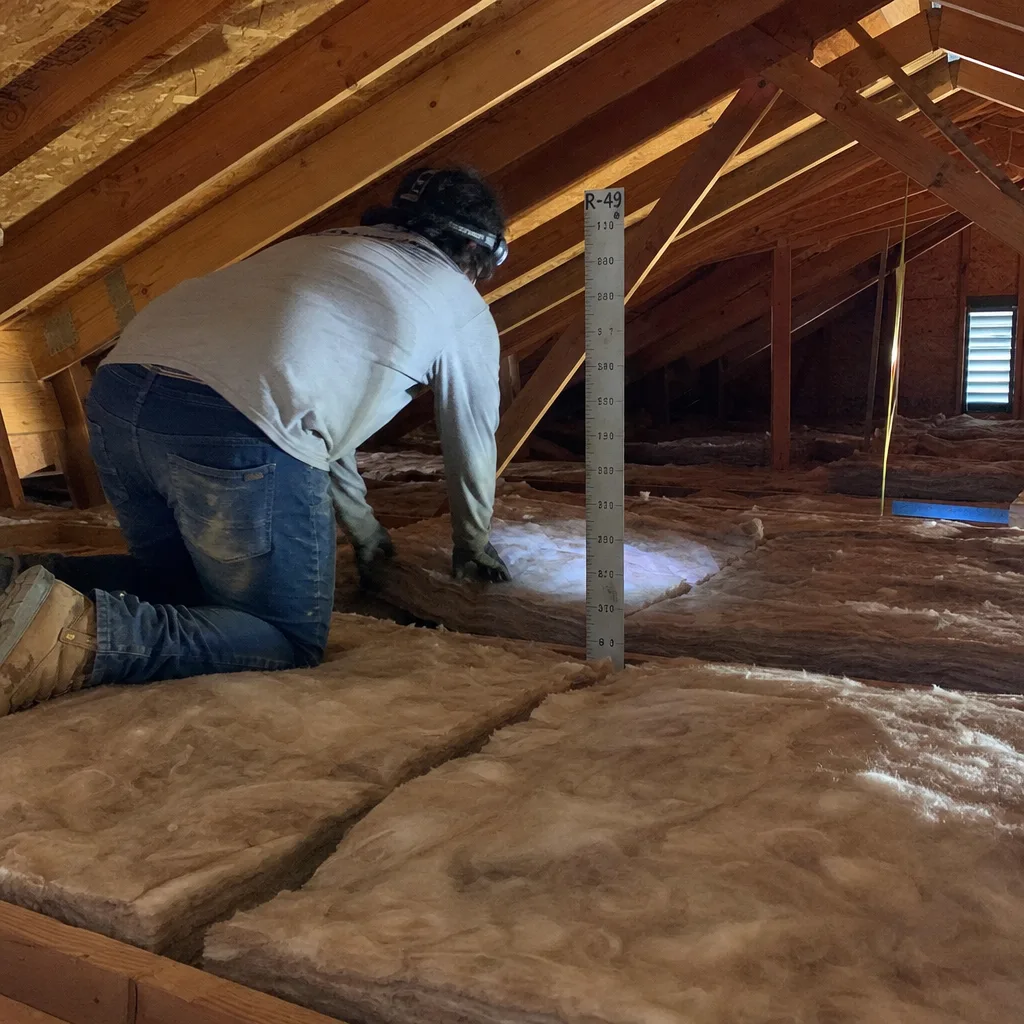
Attic insulation in Rolling Hills Estates isn’t a one-size-fits-all job. The marine layer, salt-laden air, and steady onshore winds off the Palos Verdes Peninsula put real stress on whatever sits between your ceiling and your roof deck. We see damp, compressed fiberglass batts in homes where the living space below looks perfectly dry. That’s the coastal reality here, and it’s exactly what we plan for when we spec a job. North Tustin Insulation serves the entire 90505 zip code with insulation-only crews who know peninsula construction. Call us at (877) 265-5712 for a free estimate on attic insulation in Rolling Hills Estates, and we’ll tell you what’s actually going on up there before we quote a single dollar.
Why North Tustin Insulation Is Rolling Hills Estates’s Preferred Attic Insulation Company
We’re an insulation contractor, not a general remodeler who happens to install batts on the side. Every truck, every tech, every vendor relationship at North Tustin Insulation is focused on one trade. That focus matters in Rolling Hills Estates, where homes range from 1960s ranches to 1990s custom builds with vaulted open-beam ceilings and detached garages. The right insulation approach for a fog-exposed ridgeline house on Palos Verdes Drive East won’t be the same as the right approach for a sheltered interior-lot home near Silver Spur Road. We don’t guess. We inspect, measure existing depth, check for moisture and wind-washing, and then match the material to the home.
Local homeowners keep calling us because we carry eight nationally recognized brands, including Owens Corning, Icynene, Demilec, and GreenFiber. That means we recommend what the house needs, not what’s on the truck. For Rolling Hills Estates attics with rusted staples and damp decking, we routinely spec an air-seal and blown-in GreenFiber or Rockwool retrofit instead of simply re-stuffing batts. It handles the moisture and airflow realities of this peninsula better. As Allen Decker, our owner, puts it: we match the material to your home, not the other way around.
Radiant Barrier in Rolling Hills Estates
Radiant Barrier in Rolling Hills Estates is worth considering if your attic bakes in afternoon sun, especially on west-facing ridgeline lots where the roof deck gets hammered even with the marine layer hanging offshore. A radiant barrier is a reflective foil layer installed against the underside of the roof deck. It reflects radiant heat before it can soak into your insulation and ceiling. For a typical Rolling Hills Estates attic, you’re looking at $1,800 to $3,400 depending on roof complexity and attic accessibility. Vaulted, cathedral, and open-beam assemblies push costs toward the upper end because there’s no flat attic floor to stand on.
How It Works Here
The foil reflects heat back toward the roof deck instead of letting it radiate down into the attic space. In Rolling Hills Estates, where air conditioning loads are already mild, this can cut the remaining heat gain enough that upstairs rooms stop spiking in the late afternoon. It works best when paired with proper ventilation, not as a substitute for it.
When It Makes Sense
Homes with dark composite or flat tile roofs and minimal shade benefit most. If your attic already has adequate insulation depth but the upper floor still runs hot by 4 p.m., a radiant barrier is often the missing piece. We’ll tell you honestly if your attic geometry makes it a poor candidate before we ever schedule the install.
Attic Cleaning Services in Rolling Hills Estates
Attic Cleaning Services in Rolling Hills Estates go beyond a quick vacuum pass. On the peninsula, we’re usually addressing the aftermath of wind-driven marine moisture: damp and compressed old batts, mold on the underside of the roof deck, rodent droppings, and salt-corroded staples that let insulation sag away from the framing. A full attic cleaning and insulation removal for a typical 1,500 to 2,200 square-foot Rolling Hills Estates home runs $1,200 to $2,800 depending on contamination, insulation depth, and access. That includes removal, disposal, and sanitizing of the decked areas.
Why We Clean Before We Insulate
You can’t air-seal a dirty attic, and you don’t want to blow new insulation over old, damp, contaminated material. Cleaning first means the new insulation performs to its labeled R-value and doesn’t get undermined by residual moisture or debris. It also lets us see the top plates and penetrations that need sealing against wind-washing.
Coastal Contaminants
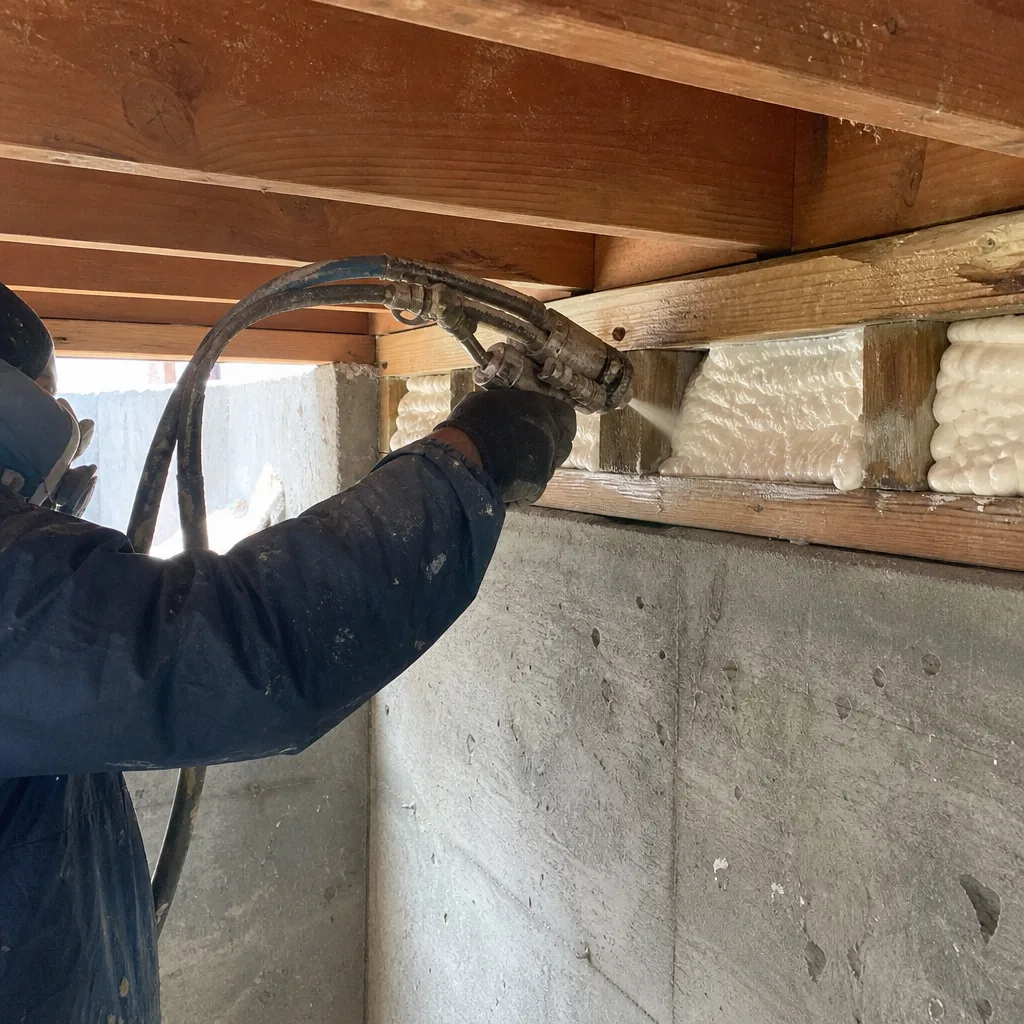
Salt air doesn’t just corrode metal. It leaves a fine film on surfaces, and when combined with persistent fog humidity, old blown-in fiberglass or cellulose can mat down and grow musty. We treat decking with an antimicrobial cleaner after removal and ensure the attic dries properly before new insulation goes in.
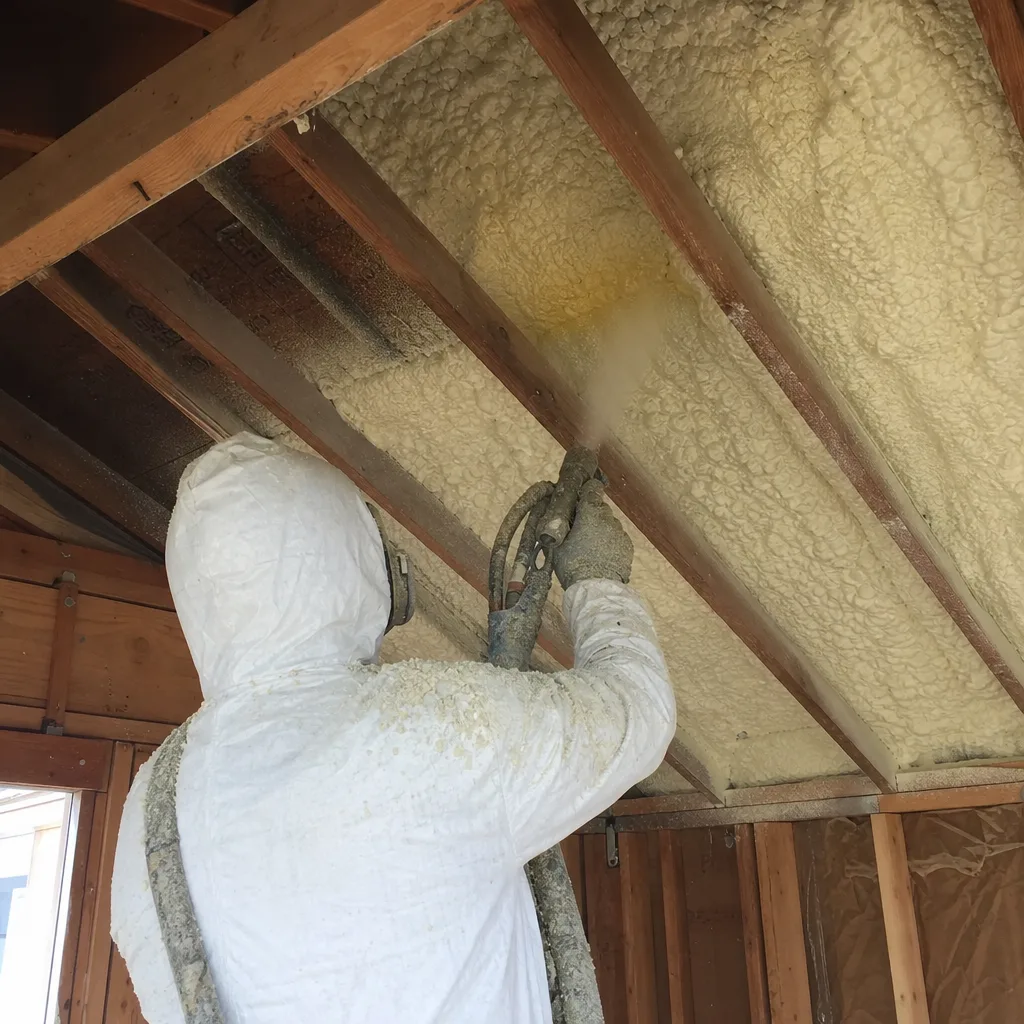
What happens when you call
- 1
A real person answersNo phone trees — you reach a local pro.
- 2
You get an upfront price rangeHonest numbers before anyone is dispatched.
- 3
A background-checked tech heads outLicensed & insured, dispatched right away.
- 4
You approve before work beginsNothing starts until you say go.
Trusted Brands We Service in Rolling Hills Estates
We stock and install material from Owens Corning, Icynene, Demilec, and GreenFiber, among others. Eight brands total across fiberglass, mineral wool, cellulose, and spray foam. For Rolling Hills Estates customers, that matters because the right material for a fog-battered canyon-edge attic may be different from the right material for a sheltered interior-lot home. We keep common retrofit components on our trucks, so a top-up or spot repair in the 90505 area doesn’t have to wait on a distributor shipment. When we arrive for an estimate, we can often show you sample materials and explain exactly what we’d install and why.
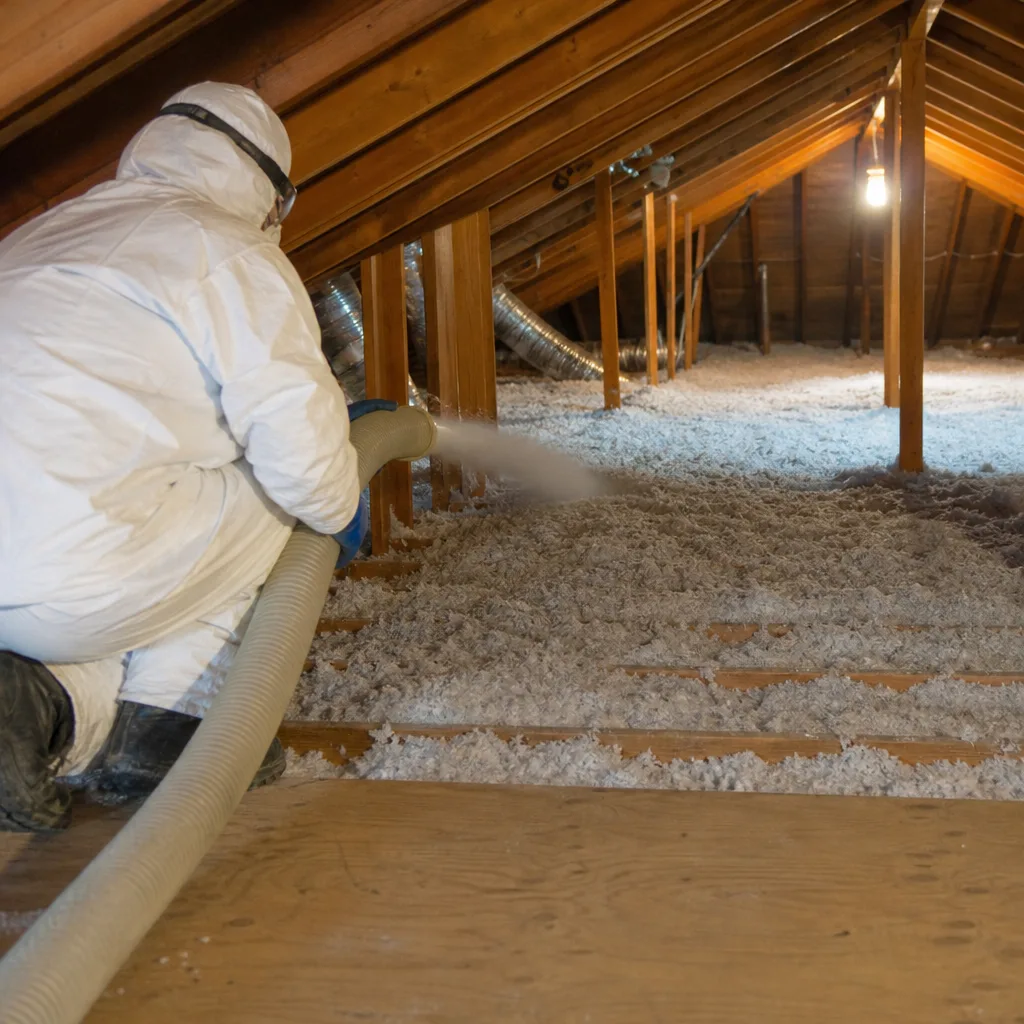
Common Attic Insulation Problems We See in Rolling Hills Estates Homes
- Wind-driven marine moisture through soffit and ridge vents. Steady onshore wind pushes fog and salt-laden air into attic spaces, even when the house below shows no leak. Original fiberglass batts end up damp, compressed, and insulating far below their labeled R-value.
- Salt-corroded staples, fasteners, and vent screens. The staples holding 1970s and 1980s batts rust through, so insulation sags or detaches from the framing. Loose-fill gets disturbed and no longer holds design depth.
- Vaulted and cathedral ceiling condensation. Custom Rolling Hills Estates homes often have open-beam or vaulted assemblies with almost no venting space. Condensation forms on the roof deck and wicks into whatever insulation touches it, leading to damp spots and hidden mold.
- Under-insulation due to mild climate complacency. Because the peninsula rarely sees extreme heat or cold, homeowners often skip insulation upgrades for decades. But the same house leaking conditioned air in August is also pulling in damp marine air every foggy night.
Pricing for Attic Insulation in Rolling Hills Estates, CA
Attic insulation in Rolling Hills Estates typically runs between $2,200 and $5,600 depending on the home’s square footage, access, and what’s already up there. A blown-in insulation top-up over existing batts runs $1,400 to $2,400 for a standard 1,500-to-2,000 square-foot attic. Full attic insulation replacement, including removal of old damp material and air sealing, lands between $3,000 and $5,600. Radiant barrier adds $1,800 to $3,400 depending on roofline complexity. Attic cleaning alone runs $1,200 to $2,800. We give free, itemized estimates so you know exactly what you’re paying for before anything starts. Call (877) 265-5712 to schedule a look.
We Also Serve Cities Near Rolling Hills Estates
Our attic insulation crews work across the South Bay and the Palos Verdes Peninsula. In addition to Rolling Hills Estates, we regularly handle projects in Manhattan Beach, Torrance, Lomita, and Palos Verdes Estates. If you’re anywhere on the peninsula or nearby coastal communities, we can assess your attic and give you a straight answer on what it needs.
Serving Rolling Hills Estates, CA — Our Local Coverage Area
We’re based in the Rolling Hills Estates area and know this community well. Use the map below to see our service coverage — if you’re nearby, we can almost certainly help.
FAQs About Attic Insulation in Rolling Hills Estates
Damp attic insulation in Rolling Hills Estates usually comes from wind-driven marine moisture, not a plumbing or roof leak. Onshore wind pushes fog and salt-laden air through soffit vents, ridge vents, and any gaps in the roof assembly. That moisture condenses on cooler surfaces and wicks into fiberglass batts, leaving them damp and compressed even when your ceilings stay dry. We find this on canyon-edge and ridgeline lots all the time. Call (877) 265-5712 and we’ll inspect your attic and explain what’s happening.
Yes, but the approach depends on how the roof assembly is built. Vaulted and cathedral ceilings in 1970s Rolling Hills Estates custom homes often have very little venting space, so condensation and moisture management matter as much as insulation depth. We typically assess the roof deck, check for existing vent channels, and recommend either dense-pack cellulose, closed-cell spray foam, or a vented batt system depending on what we find. The material has to match the assembly, or you’ll trade one problem for another.
Salt air damages attic insulation indirectly, and it’s the fasteners that show it first. Rusted staples, corroded vent screens, and failing wire supports let batts sag and detach from the framing. Loose-fill insulation gets blown around when vent screens corrode enough to widen openings. The salt-laden air also accelerates moisture absorption in some fiberglass products, which drags down thermal performance. We see it most on homes within a mile of the ocean or on exposed ridgeline lots.
The peninsula’s mild coastal climate means homeowners rarely feel extreme heat or cold, so insulation never becomes urgent. But the same house that doesn’t overheat in August is still losing conditioned air every foggy night and pulling damp marine air into the attic. Energy loss is invisible unless you look for it. Once we show homeowners the damp compressed batts and rusted staples in their attic, the case for a proper air-seal and insulation retrofit makes itself.
For a coastal Rolling Hills Estates home, attic cleaning comes first if there’s moisture damage, contamination, or compressed insulation. Radiant barrier works best over a clean, dry attic with proper ventilation and adequate insulation depth below it. Installing a radiant barrier over damp, moldy, or contaminated insulation just traps the problem. We’ll assess both during a free estimate and tell you which order makes sense for your specific house. Call (877) 265-5712 to schedule yours.
On a canyon-edge property off Palos Verdes Drive East, our tech opened an attic over a vaulted 1970s open-beam ceiling and found the original Johns Manville batts flattened to about half their depth, damp to the touch, with rusted staples and a corroded ridge-vent screen. We pulled the saturated batts, treated the damp decking, air-sealed the top plates and penetrations against wind-washing, and blew in GreenFiber loose-fill to a consistent depth with baffles set to keep the soffit vents clear. The homeowner noticed the rooms below held their temperature far more steadily on foggy mornings afterward.
On canyon-edge and ridgeline lots across Rolling Hills Estates, steady onshore wind drives marine moisture through soffit and ridge vents, so original fiberglass batts in 1960s to 1990s custom homes are routinely found damp and compressed. The fasteners holding them and nearby hardware are already rusted, even when the living space below shows no sign of trouble. That’s the pattern we expect when we open an attic here, and it’s why we don’t just quote a blow-over-top-up without looking first. For an honest assessment from an insulation-only contractor that carries Owens Corning, Icynene, Demilec, and GreenFiber, call North Tustin Insulation at (877) 265-5712. Free estimates, straight answers, no material push. As Allen Decker says, we carry eight brands, but we only recommend the one your house actually needs.
Written by Allen Decker, Owner at North Tustin Insulation, serving Rolling Hills Estates and the Palos Verdes Peninsula.