Fast, Reliable Attic Insulation Across Signal Hill
If your Signal Hill home struggles with damp morning air, hot afternoons, or utility bills that climb every summer, the attic is usually the culprit. Attic insulation replacement or top-up in Signal Hill typically costs $1,800 – $4,200 depending on square footage, access, and whether we’re air-sealing around oil-field vent penetrations. Most Signal Hill jobs are done in one day, and we carry the material selection to match the specific conditions your house faces: marine-layer fog, radiant heat gain on south and west roofs, and the vent pipes and casing stubs that come with living on a working oil field. Call North Tustin Insulation at (877) 265-5712 for a free same-week assessment. We know Signal Hill’s housing stock because we work in it constantly, from the mid-century tract streets off Cherry Avenue to the bungalows climbing toward Hilltop Park.
Why North Tustin Insulation Is Signal Hill’s Preferred Attic Insulation Company
Signal Hill is not a big city, and its homes share a very specific set of problems. Most were built between the 1940s and 1960s, with wood-frame walls, minimal original insulation, and attics that were never designed to handle the moisture and odor challenges of sitting atop an active oil field. That’s not something a generalist contractor from Long Beach will spot on a quick walkthrough. Our crews are insulation-only, and we’ve worked enough attics in the 90755 zip code to know what to look for before we ever blow in a bag of fiberglass: unsealed vent pipes, casing stubs from capped wells, knob-and-tube wiring that needs clearance, and soffit venting that was never installed to begin with.
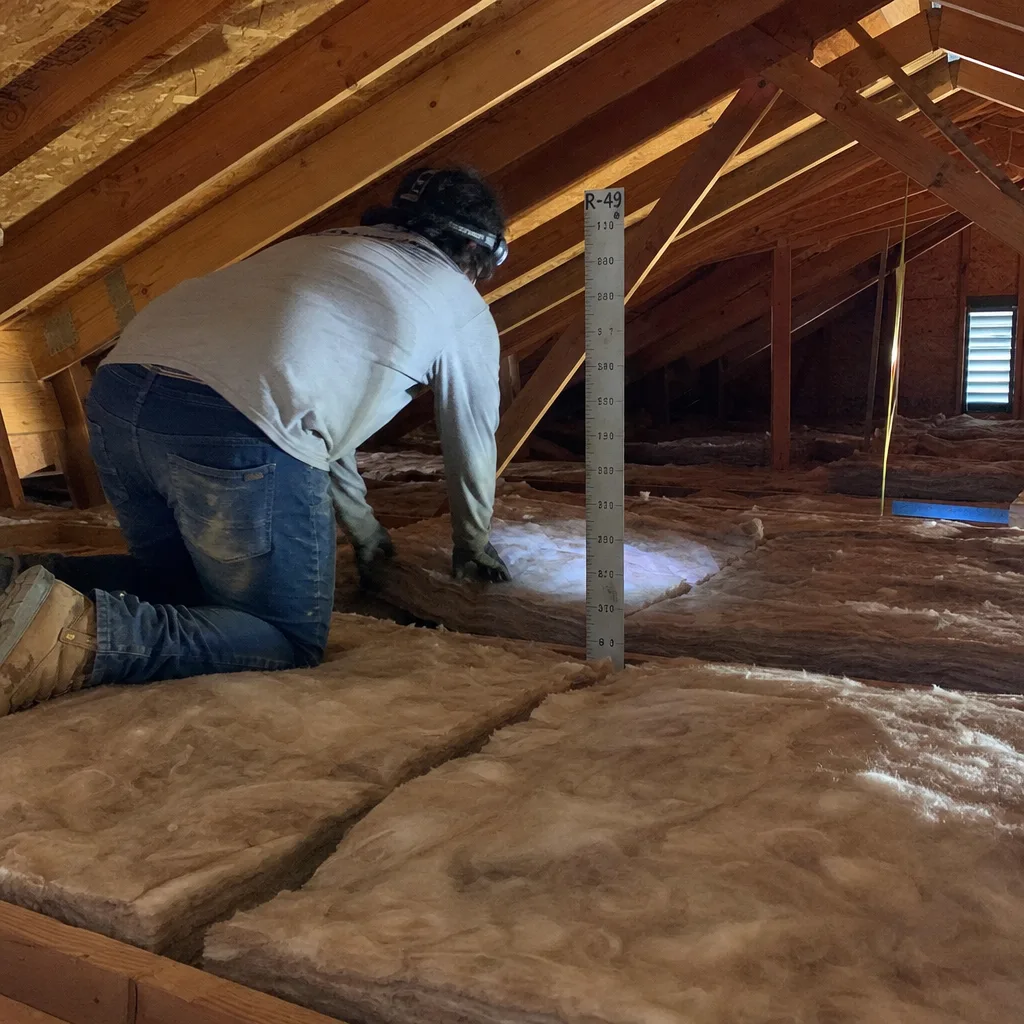
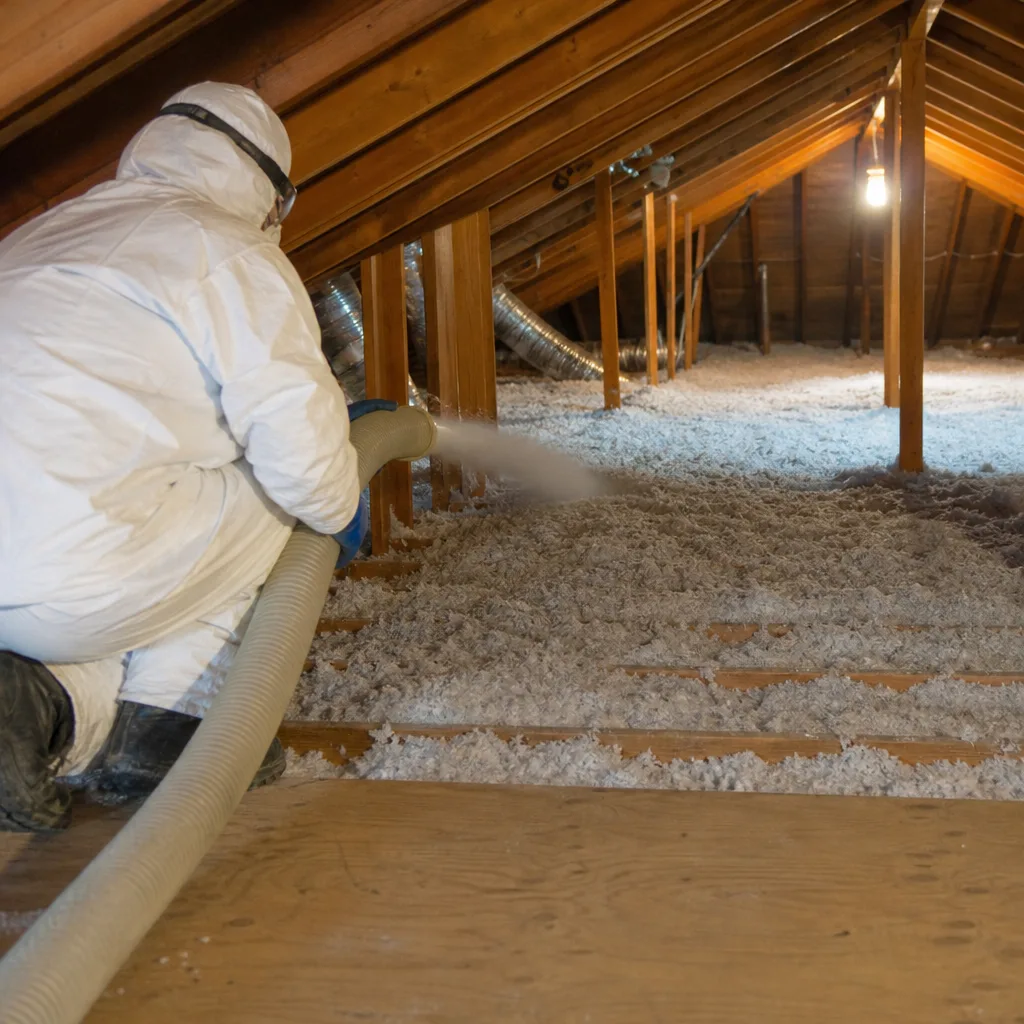
Allen Decker leads our team with a material-first approach. We don’t push one brand because it’s what’s on the truck. We carry Owens Corning and CertainTeed fiberglass, Rockwool mineral wool, GreenFiber cellulose, and both Icynene and Demilec spray foam. For a mid-century Signal Hill attic with moisture concerns and radiant heat, we’ll usually recommend air-sealing first, then blown-in fiberglass to R-38, plus either a Attic Insulation top-up or full replacement depending on what’s already up there. The point is that the recommendation comes from the house’s conditions, not from our inventory. Signal Hill homeowners deserve that.
For local context: we schedule Attic Insulation in Signal Hill jobs quickly because we’re familiar with the access constraints on these older lots. Many attics here have tight access hatches in hallway closets, low-pitch roofs, and tight side yards. That’s not a problem for a crew that specializes in attic work every day. Call (877) 265-5712 and tell us what you’re seeing: damp insulation, hot upstairs rooms, or an attic smell that won’t go away. We’ll tell you straight what needs to happen.
Attic Ventilation in Signal Hill
Attic ventilation in Signal Hill has to do two jobs at once: release the radiant heat that bakes south- and west-facing roofs on sunny afternoons, and prevent the marine-layer fog from pooling as moisture in your insulation. Most 1940s-60s homes here were built without adequate ridge or soffit venting, so heat and damp air get trapped. When that happens, insulation loses R-value, roof sheathing develops condensation, and the whole attic turns into a moisture trap. In Signal Hill, a typical attic ventilation correction (soffit vents, ridge vent, and baffles) runs $600 – $1,400, depending on roof line and how many vents need to be cut in.
Baffles and Soffit Venting
Many Signal Hill attics have soffits that were painted over or never vented in the first place. We install baffles to keep blown-in insulation from blocking the airflow path from soffit to ridge, then cut in proper ridge venting where the roof pitch allows it. On a 1950s tract home off Cherry Avenue, that often means adding continuous soffit vents along the eaves and clearing years of old debris that’s been blocking the airflow.
Oil-Field Penetration Sealing
Signal Hill is unique: some attics sit directly above or beside active or capped wellheads, which means vent pipes and casing stubs pass right through the attic space. Those penetrations are the number one place we find fog-damp air and petroleum-zone odors getting in. Before any ventilation work, we air-seal every penetration with fire-rated sealant, then detail the ventilation so it moves air without pulling in what’s outside. This is a dual-seal problem you won’t find in Lakewood or Carson.
Radiant Barrier in Signal Hill
Radiant barrier in Signal Hill makes real sense when your attic gets direct sun exposure on a south- or west-facing roof, which describes a lot of homes on the hill itself and the flat streets running toward the harbor. A radiant barrier is a reflective foil that goes under the roof deck to bounce radiant heat back out instead of letting it transfer into the attic. In Signal Hill’s warm, dry afternoons following foggy mornings, that’s a meaningful difference. A typical radiant barrier installation for a 1,000 – 1,500 sq ft single-story home runs $1,200 – $2,000.
Radiant Heat Rejection
Attics here can hit 140°F+ on a clear afternoon, and if you’re not venting or reflecting that heat, it presses down into the living space. A radiant barrier works best when paired with proper ventilation. Reflecting the heat is one half of the equation; giving it somewhere to go is the other. We typically install the barrier on the underside of the roof rafters, stapled clean, with the right gap for airflow.
Pairing With Existing Insulation
If your Signal Hill attic already has blown-in fiberglass but the upstairs still cooks by 3pm, a radiant barrier is often the missing piece. It doesn’t replace insulation. It reduces the heat load that the insulation has to resist. That means better comfort without tearing out what’s already working. Ask Allen Decker or our crew about whether your roof orientation justifies the cost; sometimes adding more insulation is the better move, sometimes it’s the barrier.
Trusted Brands We Service in Signal Hill
We carry eight nationally recognized insulation brands, but the ones that matter most for Signal Hill’s climate are the ones we stock for moisture resistance and thermal performance: CertainTeed fiberglass, Icynene and Demilec spray foam for air-sealing and high R-value, and GreenFiber cellulose for homeowners who want a recycled option with good sound-dampening. We’re not pushing a single-brand solution. The house dictates the material: a fog-prone 1950s bungalow with oil-field vent pipes needs air-sealing and blown-in fiberglass more than it needs spray foam. A newer home with an accessible attic and moisture concerns might call for Demilec closed-cell. Having all of them on the truck means the recommendation comes from the attic, not the sales sheet.
Common Attic Insulation Problems We See in Signal Hill Homes
- Marine-layer fog intrusion through unsealed vent pipes and casing stubs. Signal Hill sits directly atop an oil field, and many attics have penetrations from capped or active wells that were never sealed. That lets damp morning air in, and the insulation absorbs it, sags, and loses R-value years ahead of schedule.
- Radiant heat gain through south- and west-facing roofs with no ventilation. The original 1940s-60s construction often has minimal soffit or ridge venting. Heat builds, insulation degrades, and the upstairs rooms become uninhabitable in the afternoons.
- Knob-and-tube or early romex wiring buried under blown-in insulation. This is common in Signal Hill’s mid-century homes. Without proper air-sealing and clearance around wiring, you get both a fire hazard and uneven insulation coverage that leaves thermal bypasses.
- Moisture-absorbed insulation losing its loft. We see fiberglass batts and blown-in that have compacted from dampness, which in Signal Hill is more aggressive than inland. A five-year-old insulation job can look like it’s been there for twenty.
Pricing for Attic Insulation in Signal Hill, CA
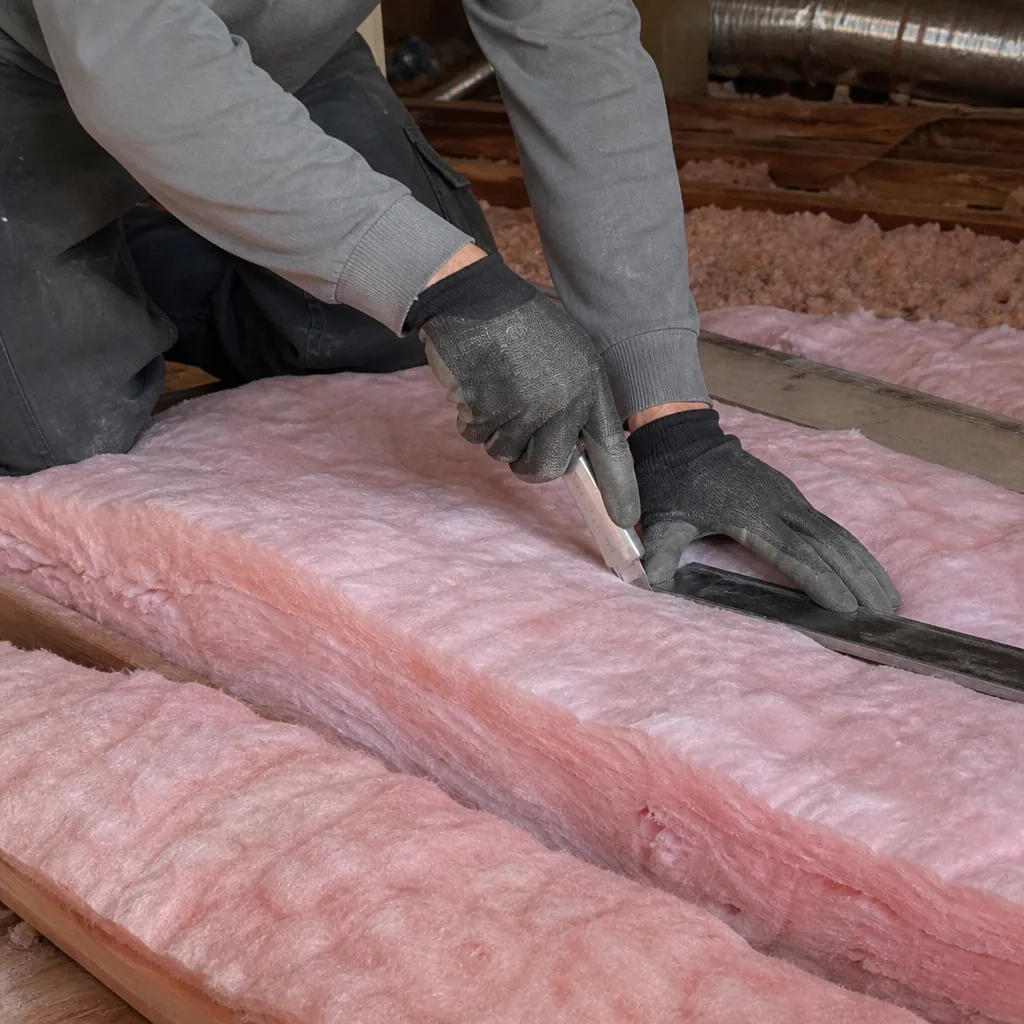
Here are honest numbers for Signal Hill’s market. A blown-in attic insulation top-up on a 1,200 sq ft home runs $1,800 – $2,600. Full replacement with air-sealing around vent pipes and wiring runs $2,800 – $4,200. Attic batt insulation installs in an open attic run $1,600 – $2,800. Spray foam in a smaller attic (Icynene or Demilec) runs $3,500 – $6,500, and that’s justified when air-sealing and maximum R-value are the priority. Radiant barrier adds $1,200 – $2,000. Ventilation correction adds $600 – $1,400. Every estimate is free, and we give the number on the spot, not after a week of back-and-forth. Call (877) 265-5712 for an exact quote on your Signal Hill home.
We Also Serve Cities Near Signal Hill
We work throughout Signal Hill and the surrounding cities: Long Beach, Lakewood, Carson, and Hawaiian Gardens. If you’re a few blocks over the border, call us anyway. Signal Hill jobs often start with us because the conditions here overlap with nearby coastal and inland pockets, and we don’t draw a hard line at city limits.
Serving Signal Hill, CA — Our Local Coverage Area
We’re based in the Signal Hill area and know this community well. Use the map below to see our service coverage — if you’re nearby, we can almost certainly help.
FAQs About Attic Insulation in Signal Hill
Signal Hill’s marine-layer fog off the harbor pushes damp morning air into attics through every unsealed gap, and it hangs around longer than in inland cities like Lakewood or Carson because of the city’s position between the coast and the 405 corridor. That means insulation here absorbs more moisture than it would in, say, Downey, and it must be installed with a stronger focus on vapor barriers and air-sealing around penetrations. If your attic insulation feels damp in the morning, the sealant work matters as much as the insulation itself. Call (877) 265-5712 and we’ll assess it directly.
Yes, and this is a core part of what we do in Signal Hill. The vent pipes and casing stubs need to be air-sealed with fire-rated sealant before any insulation goes in, and we often add a corrosion-resistant vapor barrier to keep both moisture and petroleum-zone odors out of the living space. We’ve done this on multiple homes near Hill Street and Cherry Avenue. It adds a bit of labor, but it’s the difference between an insulation job that works and one that keeps smelling like the oil field.
We carry CertainTeed and Owens Corning fiberglass, Rockwool mineral wool, GreenFiber recycled cellulose, and Icynene and Demilec spray foam. For a 1950s Signal Hill bungalow with moisture concerns and knob-and-tube wiring, we typically recommend blown-in CertainTeed or Owens Corning fiberglass to R-38 after air-sealing. For smaller attics or homes where air-sealing is the priority, Icynene open-cell or Demilec closed-cell spray foam does the job. The material is chosen for the house, not the other way around.
We don’t blow insulation over live knob-and-tube. That’s a fire hazard and it creates thermal bypasses. Our process is to identify the wiring runs during the assessment, coordinate with a licensed electrician if repairs or replacement are needed, and then maintain proper clearance around any remaining wiring. We also air-seal around the wire penetrations before the insulation goes in. If you know or suspect your Signal Hill home has original knob-and-tube, tell us on the call and we’ll plan for it.
For most south- and west-facing roofs in Signal Hill, yes. A radiant barrier reduces the heat load that your insulation has to resist, which means the upstairs rooms stay cooler and the insulation lasts longer. It’s most effective when paired with proper attic ventilation. On a 1,200 sq ft home here, expect to pay $1,200 – $2,000 for a clean radiant barrier install. Call (877) 265-5712 for a free assessment and we’ll tell you whether the roof orientation justifies it.
Written by Allen Decker, Owner at North Tustin Insulation, serving Signal Hill’s attics and the surrounding LA Basin with material-specific insulation expertise.