
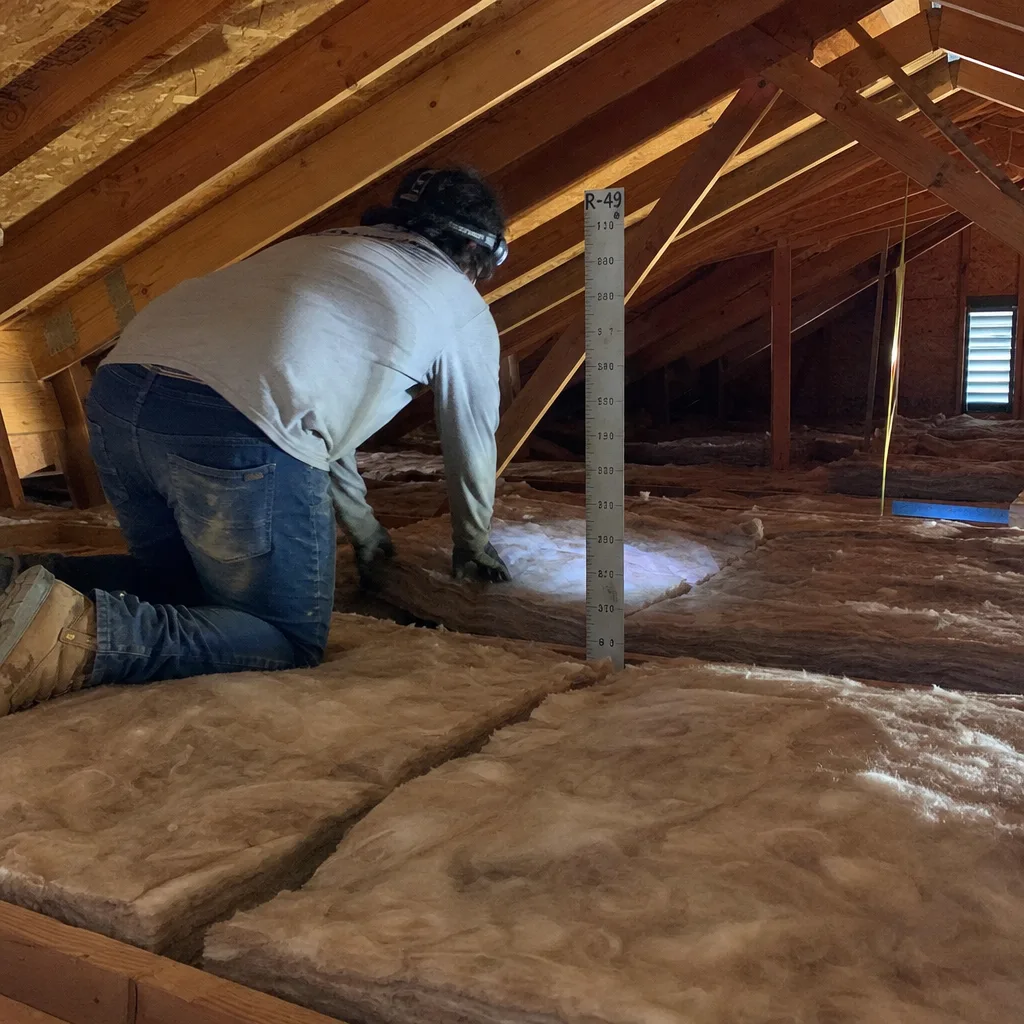
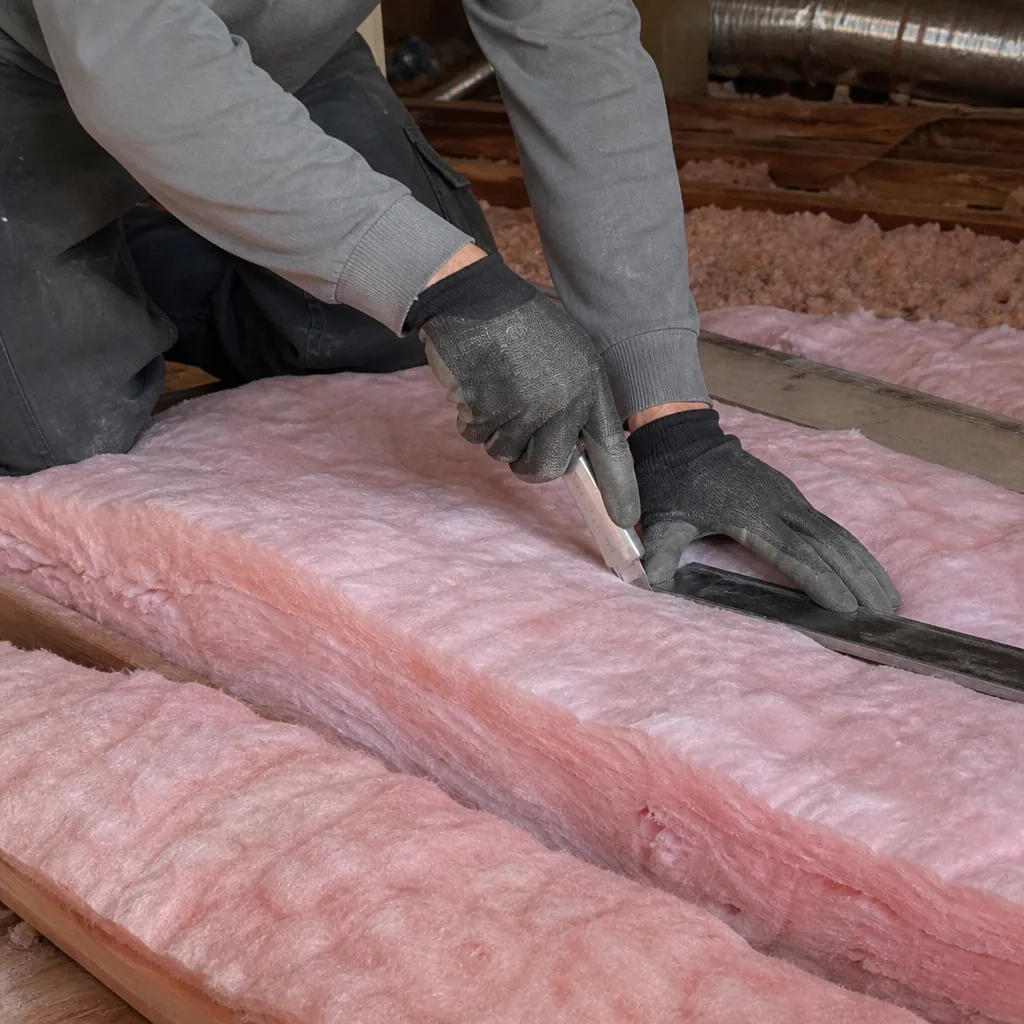
Fast, Reliable Attic Insulation Across Sky Valley
Attic insulation in Sky Valley isn’t a one-size-fits-all job. The high-desert climate here swings from 100°F-plus summer afternoons to near-freezing winter nights, and your attic is the front line of that battle. We carry eight nationally recognized insulation brands and three installation methods, so the recommendation you get is the one that actually fits your home – not just what happens to be loaded on the truck. North Tustin Insulation serves Sky Valley with a focused, insulation-only crew that knows exactly what vaulted ceilings, wind-driven dust, and desert temperature swings do to a poorly insulated attic. If you’re ready to stop paying for air that leaks straight through your roof, call us at (877) 265-5712 for a free estimate.
Why North Tustin Insulation Is Sky Valley’s Preferred Attic Insulation Company
Sky Valley homeowners have a specific problem: homes built in the 1960s through 2000s were often insulated for a milder climate than the one they actually live in. We’ve spent years working inside these attics – the ranch homes with vaulted ceilings, the manufactured homes with thin original batts, the detached workshops that never got insulated at all. We know the local housing stock because we’ve been in it, not because we read about it.
Our crew is insulation-only. Every estimate, every install, every conversation we have on a Sky Valley property is concentrated on one trade. That focus means we carry Owens Corning and CertainTeed fiberglass, Rockwool mineral wool, GreenFiber recycled cellulose, and Icynene and Demilec spray foam – and we can tell you honestly which one belongs in your attic, your vaulted ceiling, or your workshop without a sales pitch pushing one brand over another. When a Sky Valley homeowner calls about an overheating living room, we bring actual material options, not a brochure.
Our Attic Insulation team knows what to expect before they pull up to your property. We know the roads through Sky Valley, we know the homes off Dillon Road, and we know that a 100°F attic in July is not the time to discover your roof deck has no ventilation. That local familiarity means we arrive prepared for the job the first time. Call (877) 265-5712 and you’ll talk to someone who understands what your Sky Valley home is up against.
Radiant Barrier in Sky Valley
Radiant Barrier in Sky Valley solves a problem that fiberglass alone never will: the relentless sun beating directly on your roof deck and radiating heat into the living space below. Sky Valley’s high-desert exposure means your attic can hit 140°F or more on a summer afternoon, no matter how much insulation sits on the attic floor. A radiant barrier – typically a reflective foil installed along the underside of the roof rafters – bounces a large share of that radiant heat back out instead of letting it sink into the insulation below. For Sky Valley ranch homes with vaulted or cathedral ceilings, this is often the single most effective upgrade you can make.
Radiant barrier installation in Sky Valley typically runs $1.50 to $2.75 per square foot of attic surface, with most homes landing between $1,800 and $4,200 depending on roofline complexity and ceiling type. Homes with vaulted ceilings and limited attic access cost more because the install requires working in tighter, hotter spaces. The payback shows up fast here: when your ceiling stops absorbing the full force of desert sun, your AC doesn’t have to fight as hard.
What It Does For Vaulted Ceilings
Sky Valley’s ranch homes with vaulted ceilings often have insulation compressed directly against the roof deck with little to no air gap. That compression crushes the insulation’s loft – the very thing that gives it R-value. A radiant barrier installed on the underside of the deck creates a reflective surface that reduces heat transfer into the dead air space above the drywall, working even when there’s barely room for conventional insulation. Homeowners notice the difference most in rooms that used to bake by 3 PM.
Pairing Radiant Barrier With Insulation
Radiant barrier isn’t a replacement for insulation – it’s a complement. In a Sky Valley attic, the smart play is often a radiant barrier on the rafters plus blown-in fiberglass or cellulose on the attic floor. The barrier stops radiant heat before it enters, and the insulation catches whatever gets through. We stock radiant barrier material specifically for the roof pitches and rafters common in Sky Valley’s 1960s-through-2000s construction, so there’s no guessing on site.
Attic Cleaning Services in Sky Valley
Attic Cleaning Services in Sky Valley are a necessity, not an optional extra. The persistent desert wind off the Little San Bernardino Mountains pushes fine dust into every gap in your roofline – through soffit vents, gable vents, and even the smallest cracks around attic access hatches. Over the years, that dust settles into your insulation, reducing its ability to hold heat in winter and block heat in summer. Old insulation in Sky Valley homes frequently contains rodent droppings, dead insects, and decades of accumulated grit that should come out before anything new goes in.
A full attic cleaning in Sky Valley – including removal of old insulation, vacuuming, and basic sanitization – typically runs $1.50 to $3.00 per square foot, with most homes falling between $1,200 and $3,500 depending on attic size and how much material needs to be pulled out. Add-on work like air sealing top plates or replacing baffles costs extra but often makes sense while the attic is empty. We’ll tell you if the insulation can stay and just needs a top-up, or if it genuinely needs to go.
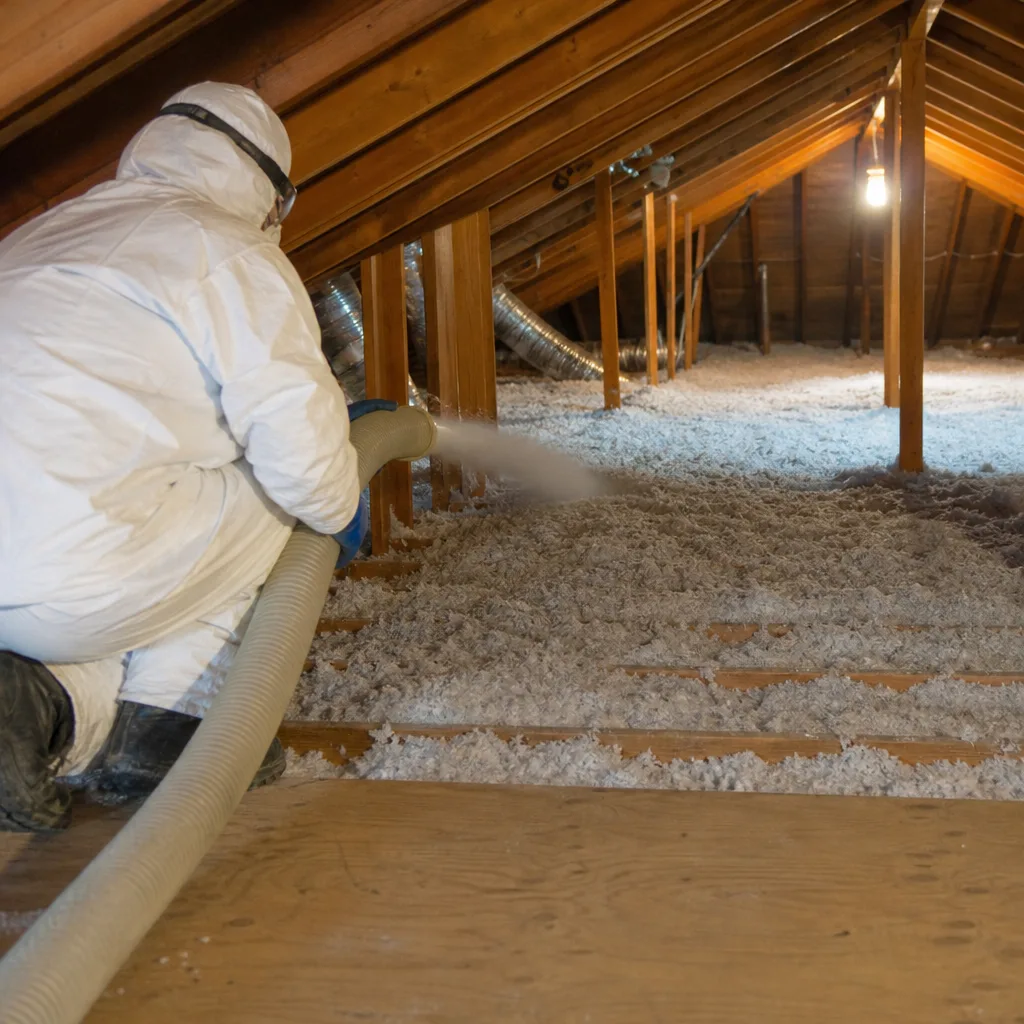
When Old Insulation Needs To Come Out
In Sky Valley’s 1960s and 1970s ranch homes, we often find insulation that’s been in place for 40 or 50 years. It’s thin, dusty, and packed down to a fraction of its original thickness. If you’ve had rodents in the attic – common in the desert where pack rats seek shelter – droppings and nesting material mean the old insulation is a health issue, not just a performance issue. That’s a full removal and replacement job.
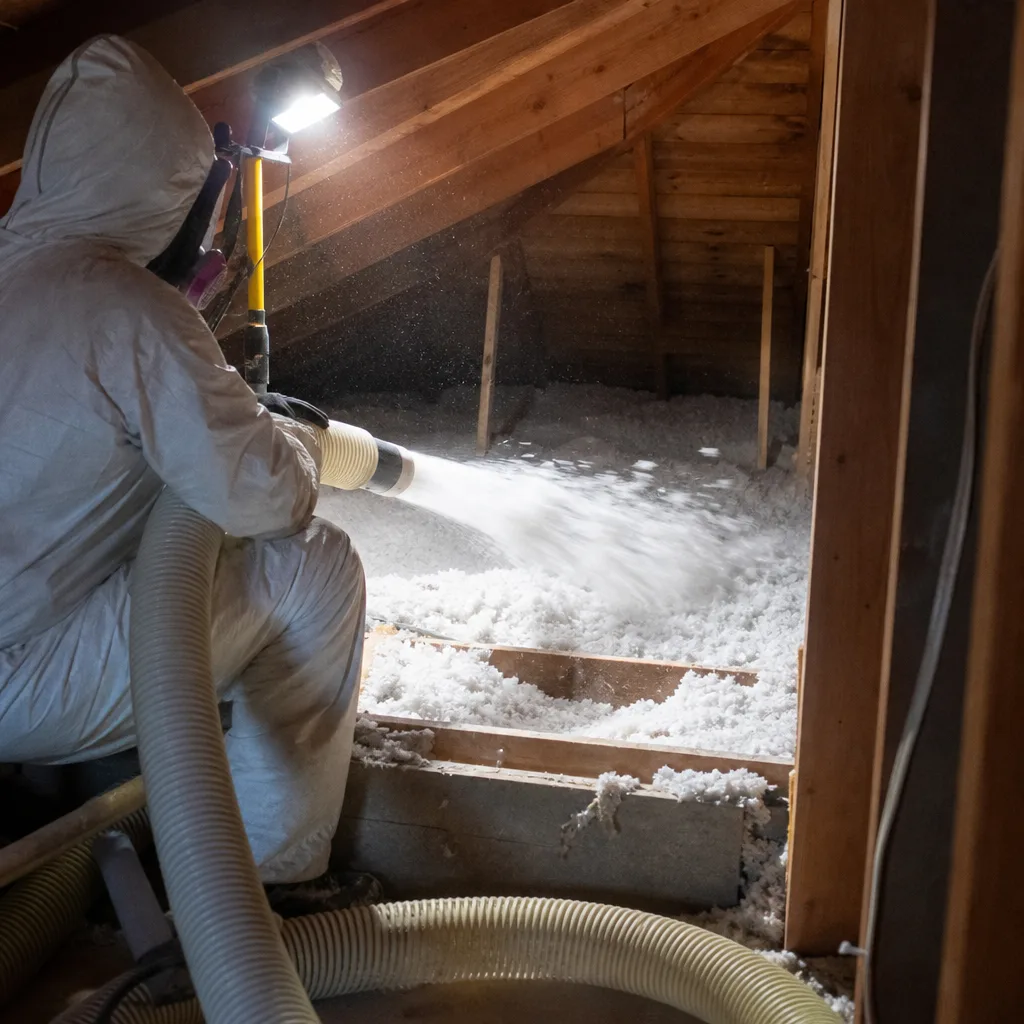
Making The Workspace Ready For New Material
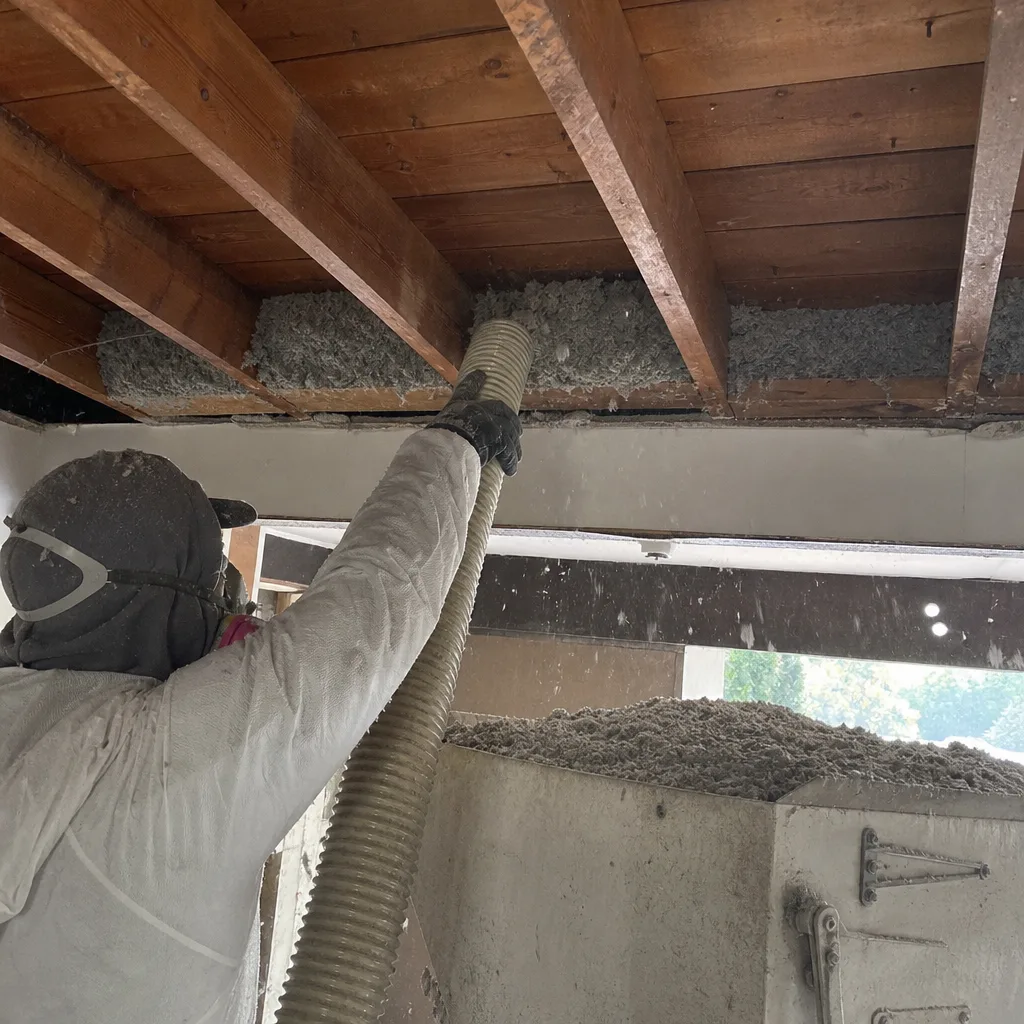
Before we blow in new insulation or install batts, the attic needs to be clean and dry. We remove debris, vacuum the deck, and check for torn ductwork or gaps around can lights and top plates. Cleaning done right means the new material actually performs at its rated R-value, instead of being compromised by dust and debris the day it goes in. For Sky Valley’s dusty conditions, this step matters more than it does almost anywhere else in the Coachella Valley.
What happens when you call
- 1
A real person answersNo phone trees — you reach a local pro.
- 2
You get an upfront price rangeHonest numbers before anyone is dispatched.
- 3
A background-checked tech heads outLicensed & insured, dispatched right away.
- 4
You approve before work beginsNothing starts until you say go.
Trusted Brands We Service in Sky Valley
We carry eight brands across four insulation categories, and that’s intentional: Owens Corning and CertainTeed fiberglass, Rockwool mineral wool, GreenFiber recycled cellulose, and Icynene and Demilec spray foam. A Sky Valley home with vaulted ceilings might need a different product than a manufactured home with a tight attic or a detached workshop with an open roof deck. We stock material locally for Sky Valley jobs, which means shorter lead times and fewer supply-chain surprises in a part of the desert where distance can slow down a project. You get genuine material choice – Attic Insulation in Sky Valley should never mean settling for whatever one contractor happens to carry.
Common Attic Insulation Problems We See in Sky Valley Homes
- Compressed insulation against vaulted roof decks. Ranch homes in Sky Valley frequently have cathedral ceilings with batts jammed into the rafter bays and no ventilation channel. The insulation loses most of its R-value, and the living room or second floor overheats by mid-afternoon.
- Wind-driven dust degrading insulation performance. Sky Valley’s persistent desert wind forces fine grit through every attic penetration. That dust settles inside the insulation, filling the air pockets that actually do the insulating and making the material far less effective than its label claims.
- Thin or missing original insulation in older homes. Many Sky Valley homes from the 1960s through 2000s were insulated to minimum code at best – or not insulated at all in attic sections over additions and garages. Near-freezing winter nights bleed heat through those weak spots.
- Uninsulated detached workshops and outbuildings. Sky Valley’s acreage properties often include workshops, storage buildings, or ADUs that were built without any thought to insulation. In a climate that swings 40 or 50 degrees in a single day, those structures become ovens in summer and iceboxes in winter.
Pricing for Attic Insulation in Sky Valley, CA
A typical attic insulation job in Sky Valley runs $2,500 to $7,500, with the final number driven by attic size, material choice, and whether old insulation needs removal first. Blown-in fiberglass for a standard 1,200-square-foot attic usually lands between $2,000 and $3,200. Blown-in cellulose runs slightly higher at $2,300 to $3,600. Spray foam in Sky Valley runs $3.50 to $6.50 per square foot of applied area, which adds up quickly on vaulted ceilings but delivers the best air-sealing performance in wind-exposed homes. Radiant barrier installation adds $1,800 to $4,200 on most Sky Valley homes. Attic cleaning before new insulation runs $1,200 to $3,500. We give written estimates on every Sky Valley job, and there’s no charge for coming out to look. Call (877) 265-5712 to schedule yours.
We Also Serve Cities Near Sky Valley
North Tustin Insulation works across the Coachella Valley and the high desert. Beyond Sky Valley, we regularly handle attic insulation projects in Thousand Palms, Desert Hot Springs, Cathedral City, and Rancho Mirage. Each of those communities has its own mix of housing stock and climate quirks, and we approach every job the same way: with the right materials and an honest read on what the home actually needs.
Serving Sky Valley, CA — Our Local Coverage Area
We’re based in the Sky Valley area and know this community well. Use the map below to see our service coverage — if you’re nearby, we can almost certainly help.
FAQs About Attic Insulation in Sky Valley
Your vaulted or cathedral ceiling likely has insulation compressed against the roof deck with no ventilation gap, so heat radiating off the roof is transferring directly into the living space. Call (877) 265-5712 for an attic inspection – we’ll tell you exactly what’s going on up there and what it takes to fix it.
Sky Valley’s 40-to-50-degree daily temperature swing means your attic insulation has to handle both summer heat rejection and winter heat retention, which is why we often pair a radiant barrier with blown-in insulation rather than relying on R-value alone. The right combination depends on your roof structure and ceiling type.
Yes, especially if you store tools, vehicles, or anything temperature-sensitive in them. Uninsulated outbuildings in Sky Valley swing wildly between desert heat and freezing nights, and insulating the attic is often the fastest way to stabilize temperatures. We work on detached structures all over 92241 and can price it the same visit as your main home.
In most cases, remove it. Sky Valley’s wind-driven dust and occasional pack-rat activity mean old attic insulation is usually contaminated and degraded beyond saving. We remove the old material, clean the attic, air-seal the gaps, and install new insulation matched to your home’s actual needs. Call (877) 265-5712 and we’ll give you a straight answer on whether yours can be topped up or should come out.
Dust fills the air pockets in insulation that actually do the work, so a dusty attic can lose 30% or more of its effective R-value. In Sky Valley’s persistent wind, sealing the attic’s top plates, can lights, and access hatches is just as important as the insulation itself. We address both in the same job.
Written by Allen Decker, Owner at North Tustin Insulation, serving Sky Valley and the surrounding Coachella Valley communities.