
Fast, Reliable Attic Insulation Across Spring Valley Lake
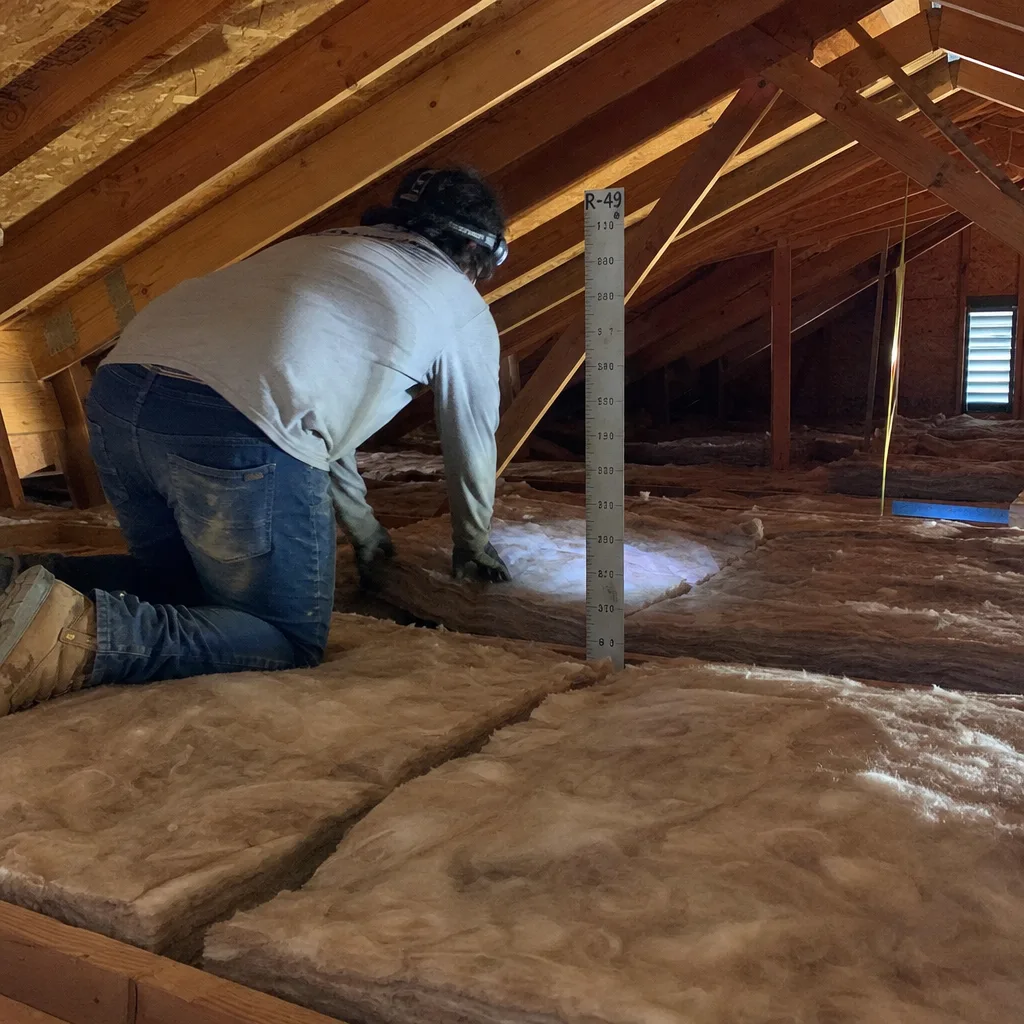
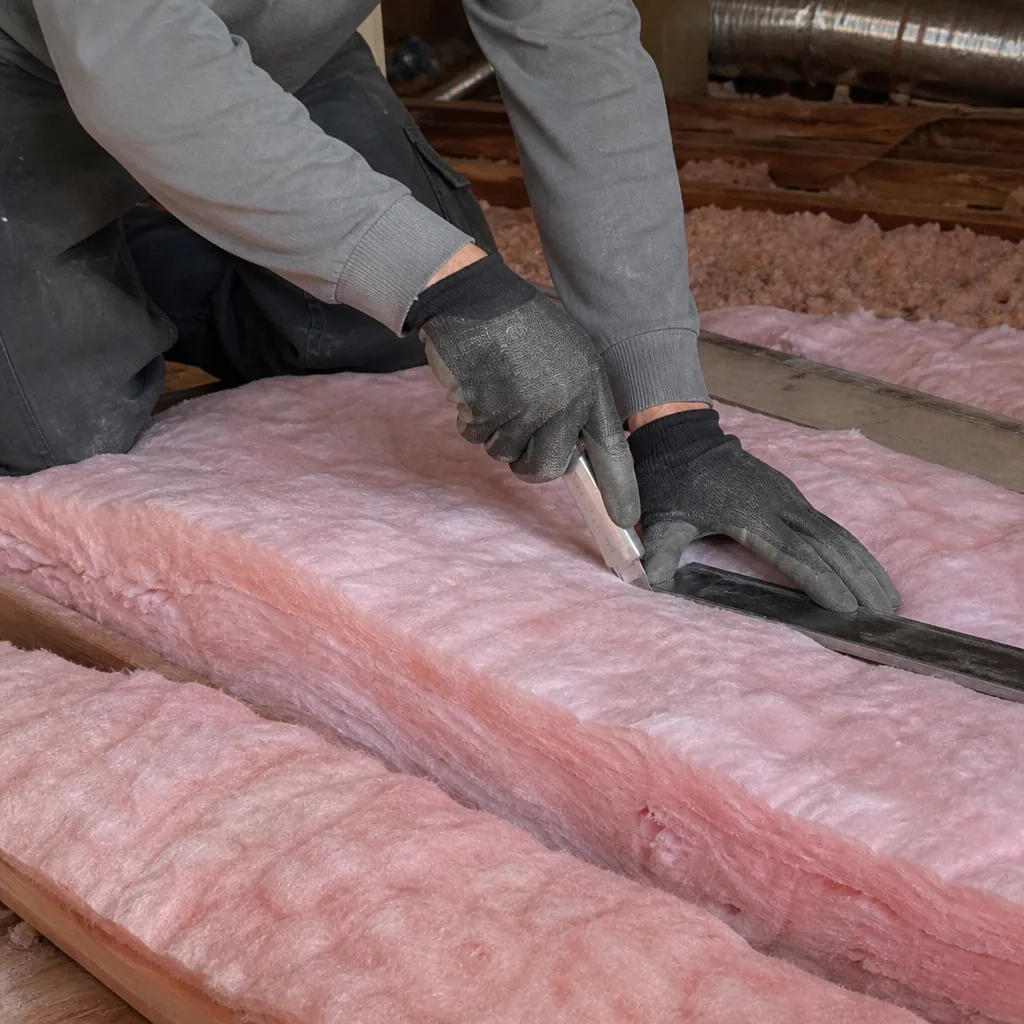
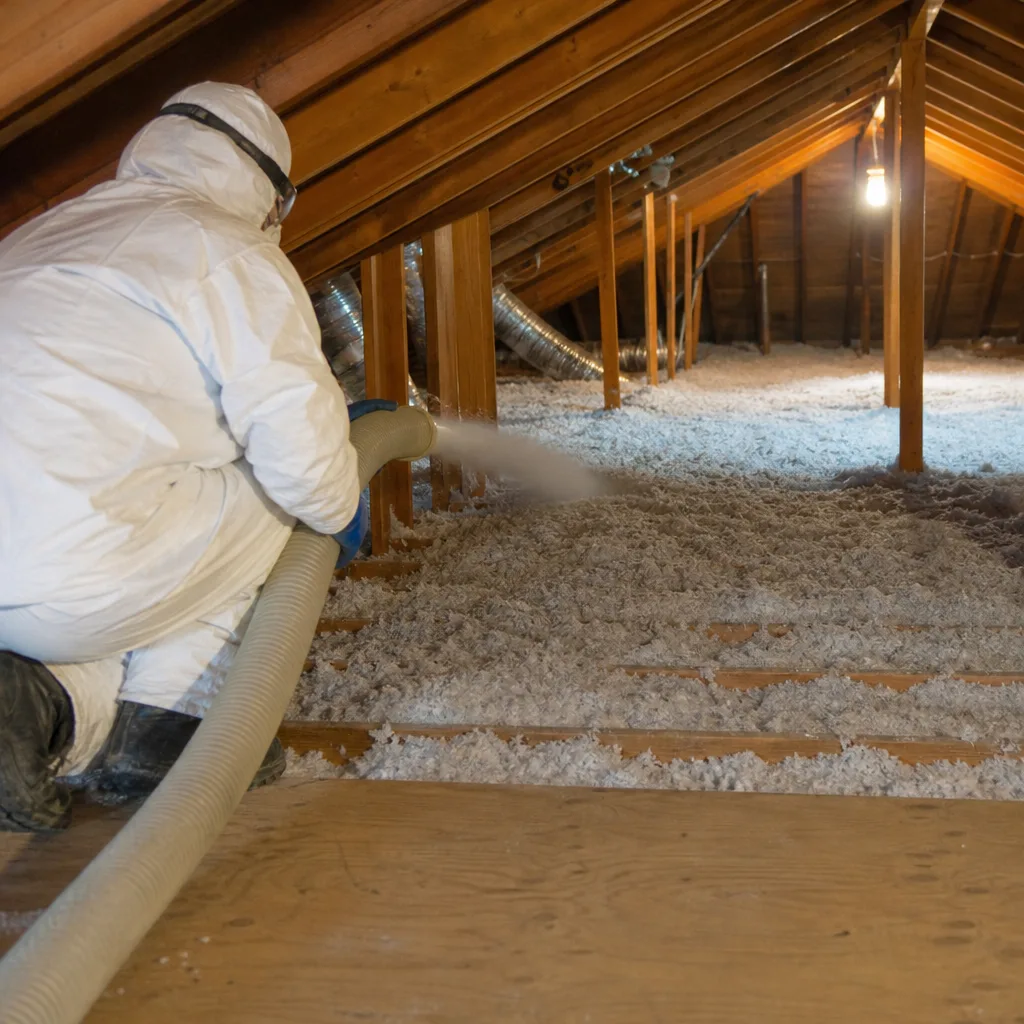
Attic insulation in Spring Valley Lake runs $1,450 to $4,900 for a typical single-family home, with blown-in fiberglass or cellulose on the lower end and closed-cell spray foam or cathedral-ceiling retrofit work on the higher end. We know the homes here: stucco-on-wood-frame construction from the late 1970s through the 2000s, vaulted ceilings, skylights, and the HOA architectural review that complicates any attic envelope change. Our crews work in Spring Valley Lake weekly and we quote same-week site visits in most cases. Call (877) 265-5712 for a free estimate, and we’ll tell you exactly what your attic needs, not what’s on the truck.
Why North Tustin Insulation Is Spring Valley Lake’s Preferred Attic Insulation Company
Spring Valley Lake homeowners deal with something most insulation contractors don’t plan for: ARB compliance. The Architectural Review Board here has rules about exterior vents, roof penetrations, and visible changes to lake-facing elevations. A standard retrofit that adds gable vents or changes skylight flashing can trigger a violation notice. We’ve done enough work in the community to know which changes require a variance and which don’t, and we match existing vent styles and colors so the finished job looks like it was always there.
Allen Decker built North Tustin Insulation around one trade. That focus means our technicians think in R-values, venting ratios, and moisture migration – not roofing schedules or HVAC tonnage. When a Spring Valley Lake customer calls about a hot second-floor bedroom or a condensation streak under a skylight, we diagnose the attic as a system. We carry Owens Corning, GreenFiber, Demilec, and Johns Manville products, among others, so the recommendation is driven by your home’s framing, ceiling geometry, and HOA constraints – not by whichever brand we happen to stock deepest.
Our Spring Valley Lake customers tend to find us after a failed attempt: a blow-in job that never fixed the lake-facing cathedral ceiling, a radiant barrier installed without adequate ventilation that made the shingle deck sweat, or a mold bloom that an inspector flagged during escrow. We fix those jobs correctly. We’ve earned a strong local reputation here because we show up knowing the difference between a 1970s original-section home and a 2000s build on the golf course side, and we quote accordingly.
Attic Cleaning Services in Spring Valley Lake
Attic Cleaning Services in Spring Valley Lake involve more than hauling out old debris. In this community, we’re typically removing rodent nesting material, decades of blown-in insulation that’s matted and compacted, construction scrap from original builds, and the fine desert dust that pushes in through every soffit vent during spring wind season. It’s the necessary first step before a top-up, a replacement, or mold treatment, because you can’t properly assess or treat what you can’t see. A full cleanout for a typical Spring Valley Lake attic runs $600 to $1,500 depending on square footage and contamination level.
Contamination and Rodent Remediation Prep
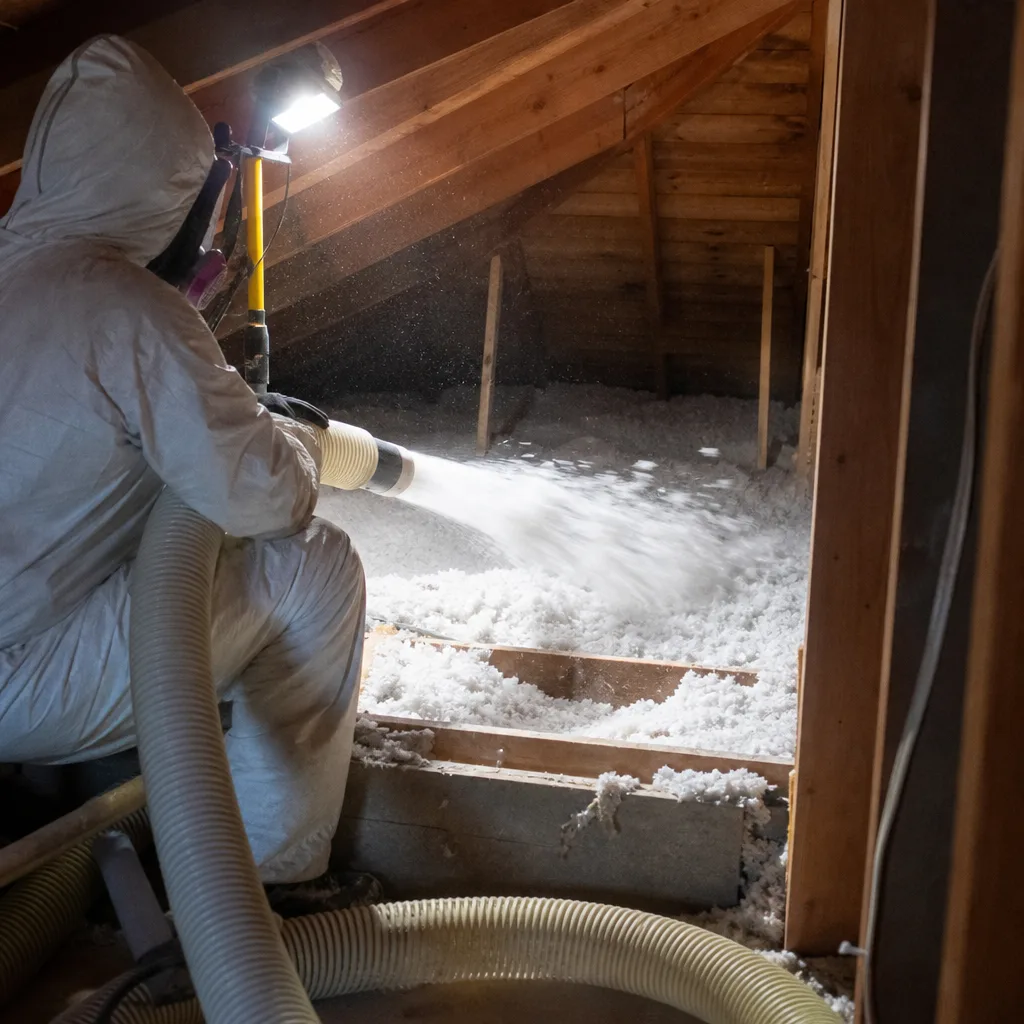
Spring Valley Lake attics that have hosted roof rats or squirrels need enclosure of droppings and urine-soaked insulation before any new material goes in. We bag and remove contaminated batts, HEPA-vacuum accessible areas, and prep the space so the new insulation goes onto a clean substrate. Skimping on this step is how you end up with a brand-new insulation layer that smells like an animal latrine by August. Our crew does containment properly and we don’t hand you back a key with a disclaimer attached.
Dust and Debris Removal for Escrow Deadlines
When a Spring Valley Lake home goes under contract, the inspector often flags attic conditions that hold up the deal. We’ve handled dozens of pre-sale cleanouts in the community, often on short turnaround because escrow doesn’t wait. Old batt insulation from the 1980s collapses over time, traps dust, and hides wiring faults. We’ll clear it, document the condition of the decking and framing, and give you photos you can show the buyer’s agent.
What happens when you call
- 1
A real person answersNo phone trees — you reach a local pro.
- 2
You get an upfront price rangeHonest numbers before anyone is dispatched.
- 3
A background-checked tech heads outLicensed & insured, dispatched right away.
- 4
You approve before work beginsNothing starts until you say go.
Attic Mold Removal in Spring Valley Lake
Attic Mold Removal in Spring Valley Lake is a recurring call for us, particularly in the original lakeside sections where cathedral ceiling cavities and skylight framing trap moisture. High-desert winters push temperatures below freezing at night while daytime sun warms the roof deck – that cycle creates condensation inside enclosed ceiling bays when ventilation is blocked or never existed. Mold here isn’t always the black, obvious kind. It’s often a fine gray bloom on the underside of roof sheathing or on the backside of sagging fiberglass batts. Depending on the affected square footage and the type of treatment needed, attic mold remediation in this community typically runs $900 to $2,800.
Finding the Moisture Source Before Treating the Mold
Killing surface mold without fixing the moisture source is a waste of your money. In Spring Valley Lake homes, the culprits are usually blocked soffit vents, bathroom fans venting into the attic instead of through the roof, or skylight wells that were never insulated on the sides. We locate the condensation driver, correct the venting, then treat the affected sheathing and framing. The mold removal only counts if the attic stays dry afterward.
Treatments Used in High-Desert Attics
For sheathing and framing, we use EPA-registered antimicrobial treatments appropriate for wood surfaces, applied after the contaminated insulation is removed and the area is dried. In cases where mold has penetrated deeply into batt material, replacement is the only correct path. We’ll give you a straight answer on whether the insulation can stay or must go. That answer is based on what we see in your attic, not on a sales script.
Trusted Brands We Service in Spring Valley Lake
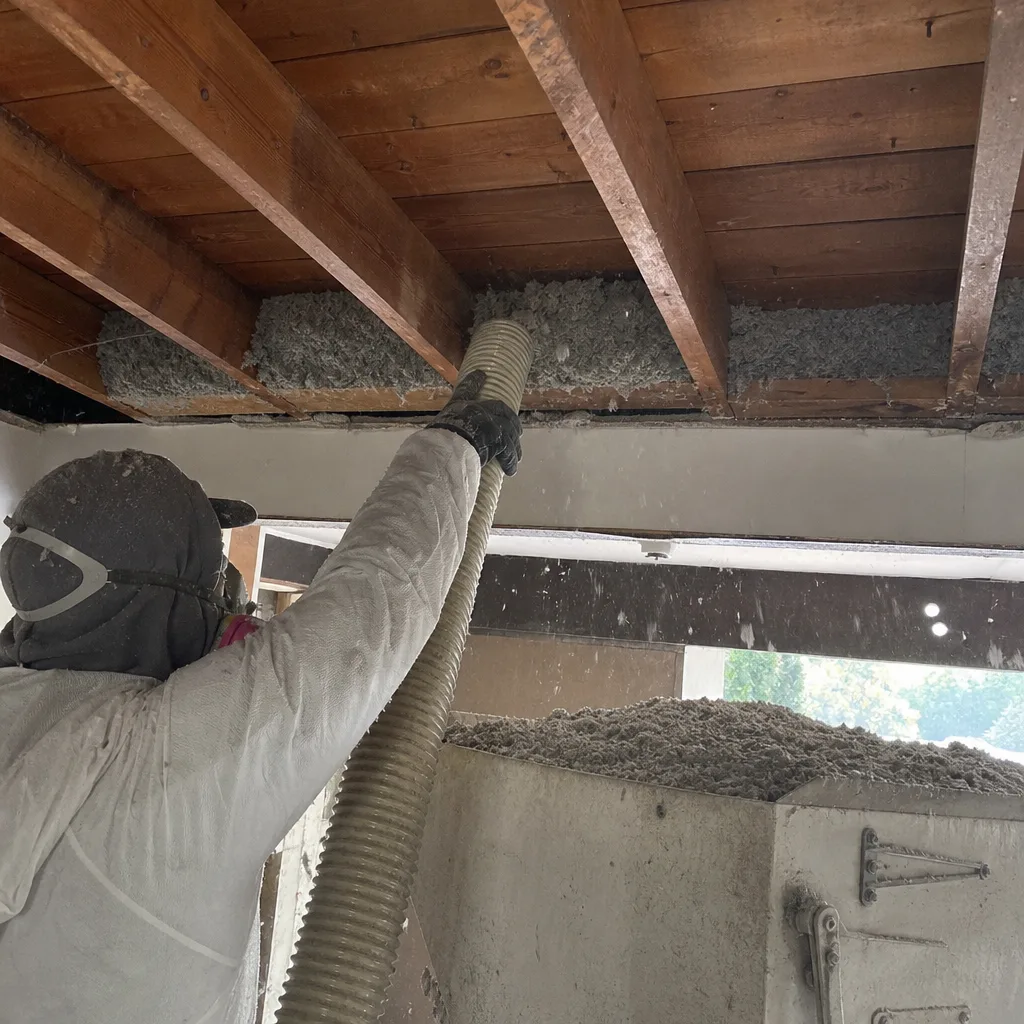
We don’t treat insulation brands as interchangeable, and we don’t expect you to either. North Tustin Insulation carries Owens Corning and Johns Manville in the fiberglass category, GreenFiber for recycled cellulose, and Demilec spray foam for open- and closed-cell applications where air sealing matters most. Spring Valley Lake customers get a genuine product choice. When a lake-facing cathedral ceiling needs a non-combustible, moisture-resistant fill, we recommend Rockwool. When a flat attic with adequate venting just needs an R-value boost, blown-in GreenFiber may make more sense. We stock common materials and can pull specialty product from regional supply without the multi-week delay some outfits quote. Call (877) 265-5712 and we’ll match the material to your home.
Common Attic Insulation Problems We See in Spring Valley Lake Homes
- Cathedral ceiling condensation behind skylights. Original-section homes near the lake have ceiling cavities that were framed tight in the 1970s. When soffit vents are blocked by the era’s framing, warm interior air hits the cold roof deck, condenses, and saturates the batt insulation. A blow-in job won’t touch this – the cavity needs to be opened, dried, and retrofitted properly.
- Radiant barrier installed without ventilation. In the high-desert summer, a radiant barrier on the roof deck is effective – but only if there’s enough airflow below the sheathing. We’ve fixed several Spring Valley Lake homes where a barrier trapped moisture and shortened shingle life because no one added intake ventilation. This is a common miss in cooling-only approaches.
- Batt sag and thermal gaps in vaulted ceilings. Three decades of high-desert temperature swings make fiberglass batts sag and pull away from the roof deck in vaulted sections. Homeowners notice hot rooms in August and cold drafts in January. The fix is often Rockwool in the tight bays, which holds its shape and is non-combustible.
- HOA violation risk from non-matching vents. Adding exterior vents to an attic retrofit changes the roofline’s appearance. The Spring Valley Lake ARB reviews lake-facing elevations closely, and a mismatched vent style or color can trigger a corrective notice. We match existing vent panels and flashing so the work passes review without a variance.
Pricing for Attic Insulation in Spring Valley Lake, CA
In Spring Valley Lake, a straightforward blown-in attic top-up over existing insulation runs $1,450 to $2,300 for a typical 1,800 to 2,400 square foot home. A full batt replacement with removal and disposal runs $2,200 to $4,200 depending on attic height and access. Cathedral ceiling retrofits – the labor-intensive work behind skylights and in vaulted bays – run $2,800 to $4,900. Spray foam in a Spring Valley Lake attic starts around $3,500 and goes up with foam type, thickness, and the complexity of the deck prep. HOA-related matching work, like replacing vent panels to match the existing style, adds a modest material cost but saves you a violation notice. Call (877) 265-5712 for an exact quote. Estimates are free, and every figure we give you is based on a site visit, not a square-foot formula.
We Also Serve Cities Near Spring Valley Lake
Our crews cover the Victor Valley and surrounding high desert. In addition to Spring Valley Lake, we handle attic insulation projects in Mountain View Acres, Victorville, Apple Valley, and Hesperia. If your home sits just outside the HOA boundary or across Bear Valley Road, we’ll still quote the job the same way: a site visit, a clear diagnosis, and a material recommendation that fits your house. The Attic Insulation team works the whole region.
Serving Spring Valley Lake, CA — Our Local Coverage Area
We’re based in the Spring Valley Lake area and know this community well. Use the map below to see our service coverage — if you’re nearby, we can almost certainly help.
FAQs About Attic Insulation in Spring Valley Lake
Insulation inside the attic does not require ARB approval. What triggers review is anything that changes the exterior appearance: new gable vents, additional roof penetrations, different skylight flashing, or visible vent panels on lake-facing elevations. If the work is purely interior – blowing in insulation, replacing batts, or adding a radiant barrier – you don’t need to file. If your retrofit plan includes adding vents or changing roof penetrations, we’ll tell you before we start whether the change matches community standards or whether you’ll need an ARB application. Call (877) 265-5712 and we’ll review your specific scope.
Because insulation slows conductive heat transfer – it doesn’t stop radiant heat from the sun baking your roof deck all day. In the high desert at 3,000 feet, summer roof deck temperatures regularly exceed 140°F, and that heat radiates down into the living space regardless of what’s on the attic floor. A radiant barrier on the roof deck is the missing layer in most underperforming Spring Valley Lake attics, paired with proper ventilation so the trapped heat can leave. Insulation alone won’t fix a summer-hot attic in this climate. Neither will a box fan. Call (877) 265-5712 for an attic assessment.
Cathedral ceiling condensation in Spring Valley Lake is almost always a venting failure: warm, moist interior air rises into a ceiling cavity that has no exhaust path, hits the cold underside of the roof sheathing on a winter night, and condenses. The moisture soaks the batt insulation, which then sags and loses contact with the surfaces it’s supposed to insulate. Blocked soffit vents from original 1970s framing make this worse. The fix is correcting the ventilation path and replacing the saturated batts – a blow-in top-up won’t solve the moisture source. Call (877) 265-5712 and we’ll trace the airflow in your specific ceiling geometry.
Yes. We match the existing vent style, shape, and color when a Spring Valley Lake retrofit requires adding or replacing exterior venting. Our crews keep common panel profiles and we can source matching styles from regional supply when the original is a specific profile from a 1980s or 1990s build. Matching existing panels keeps the work within the ARB’s original architectural footprint, which means no variance application in most cases. We’ll confirm the match during the estimate. Reach us at (877) 265-5712.
Yes, particularly in original-section lake-facing homes with cathedral ceilings and skylights. The combination of winter condensation cycling, blocked soffit vents, and decades of trapped desert dust creates conditions where mold takes hold on sheathing and the backside of batt material. We handle mold removal in Spring Valley Lake monthly, often as part of a pre-sale escrow requirement or a homeowner-driven complaint about attic odor. The process involves removing contaminated insulation, drying the affected area, treating the wood surfaces, and correcting the ventilation so it doesn’t return. Call (877) 265-5712 for an inspection.
Contact North Tustin Insulation in Spring Valley Lake
If your Spring Valley Lake home has a hot upstairs, cold winter ceilings, visible insulation sag, or an attic that smells musty, we’ll diagnose it in one visit. Allen Decker and the North Tustin Insulation team work in the community regularly and understand the HOA’s architectural review requirements, the lake-facing cathedral ceiling geometry, and the high-desert temperature swings that make this climate a two-season insulation challenge. We carry eight industry brands across fiberglass, mineral wool, cellulose, and spray foam, so the recommendation you get is the one your home actually needs. Call (877) 265-5712 for a free estimate. We’ll show up, get in the attic, and tell you the truth.
Written by Allen Decker, Owner at North Tustin Insulation, serving Spring Valley Lake and the Victor Valley.