Fast, Reliable Attic Insulation Across Topanga
Attic insulation in Topanga usually means working around non-standard, owner-built framing, and the honest answer is that most canyon homes here can’t take a one-size-fits-all batt job. We handle that reality every week. North Tustin Insulation serves the 90290 corridor from Old Topanga Road up through the canyon with cut-to-fit solutions and spray foam that actually seals the irregular cavities in these structures. If your attic is drafty, scorching in summer, or letting embers find their way toward your living space, call (877) 265-5712 for a site assessment. We’ll tell you exactly what your framing can accept and what it can’t.
Why North Tustin Insulation Is Topanga’s Preferred Attic Insulation Company
Topanga homeowners tend to ask sharper questions than most, and that suits the way Allen Decker runs this crew. We’re an insulation-only contractor, so every job we take is about one trade done right, not a remodeling project where insulation gets tacked on at the end. Our technicians know the difference between a mid-century canyon home off Saddle Peak Road and a converted garage near the Topanga Post Office. That matters when the framing is 16 inches on center in one room and 24, or 31, in the next.
We carry eight brands across fiberglass, mineral wool, cellulose, and spray foam. That’s not a marketing line. It means when a geodesic dome in the canyon needs closed-cell foam, we’re not stuck pitching batts because that’s all the truck carries. Local homeowners regularly tell us the same thing: another contractor showed up, looked at the exposed rafters, and said they’d “make it work.” We’d rather tell you which brand and method actually fits, then stand behind it. Allen Decker handles estimates personally for Topanga jobs because the site-specific questions here can’t be answered from a satellite photo.
Attic Mold Removal in Topanga
Attic Mold Removal in Topanga is a job we approach differently than we would in a tract-home attic in Northridge. Canyon homes trap moisture in irregular cavities, and the Mediterranean climate here, with its wet winters and bone-dry summers, cycles wood through expansion and contraction that can open micro-gaps around owner-built framing. Mold takes hold in those dark, poorly vented corners. We assess the moisture source first, because removing mold without fixing the vapor drive means you’ll call us again in two years.
Moisture Source Assessment
A damp attic off Old Topanga Road usually has one of three problems: a failed vent, a bathroom fan dumping into the attic, or vegetation too close to the roofline. We inspect all three before we touch the mold, and we’ll give you a straight answer even when the fix is something you can do yourself.
Removal and Prevention
We remove mold-damaged insulation using containment so spores don’t migrate into living space. Then we re-insulate with a material suited to the assembly, often Rockwool mineral wool because it resists moisture and won’t feed future mold growth. Most Topanga mold removal jobs run $1,200 to $3,400 depending on the square footage and whether we’re replacing the insulation or just treating and sealing.
Attic Insulation Removal in Topanga
Attic Insulation Removal in Topanga frequently means pulling out failed batts or blown-in fiberglass that’s been in place since the cabin was built, and it’s almost never as simple as bagging it up. Old insulation holds rodent nests, dust from decades of canyon winds, and sometimes asbestos in homes built before the 1980s. We test when we see materials we can’t identify. If it’s clean and just underperforming, a top-up might be enough, and we’ll say so rather than selling a full removal.
When Removal Becomes Necessary
Water intrusion, heavy rodent activity, or insulation so compressed it’s lost most of its R-value are the three main reasons Topanga homeowners call for full removal. Once the attic is empty, we also find and seal the gaps that caused the problem in the first place. That step gets skipped by less careful crews.
Pricing and What to Expect
A full Attic Insulation removal in Topanga typically runs $1,800 to $4,200 for a standard canyon home attic. Add $300 to $600 if we’re dealing with dangerously steep access or very low roof clearance. We’ll quote you the total before any work starts, not after we’ve opened up a wall of surprises.
Trusted Brands We Service in Topanga
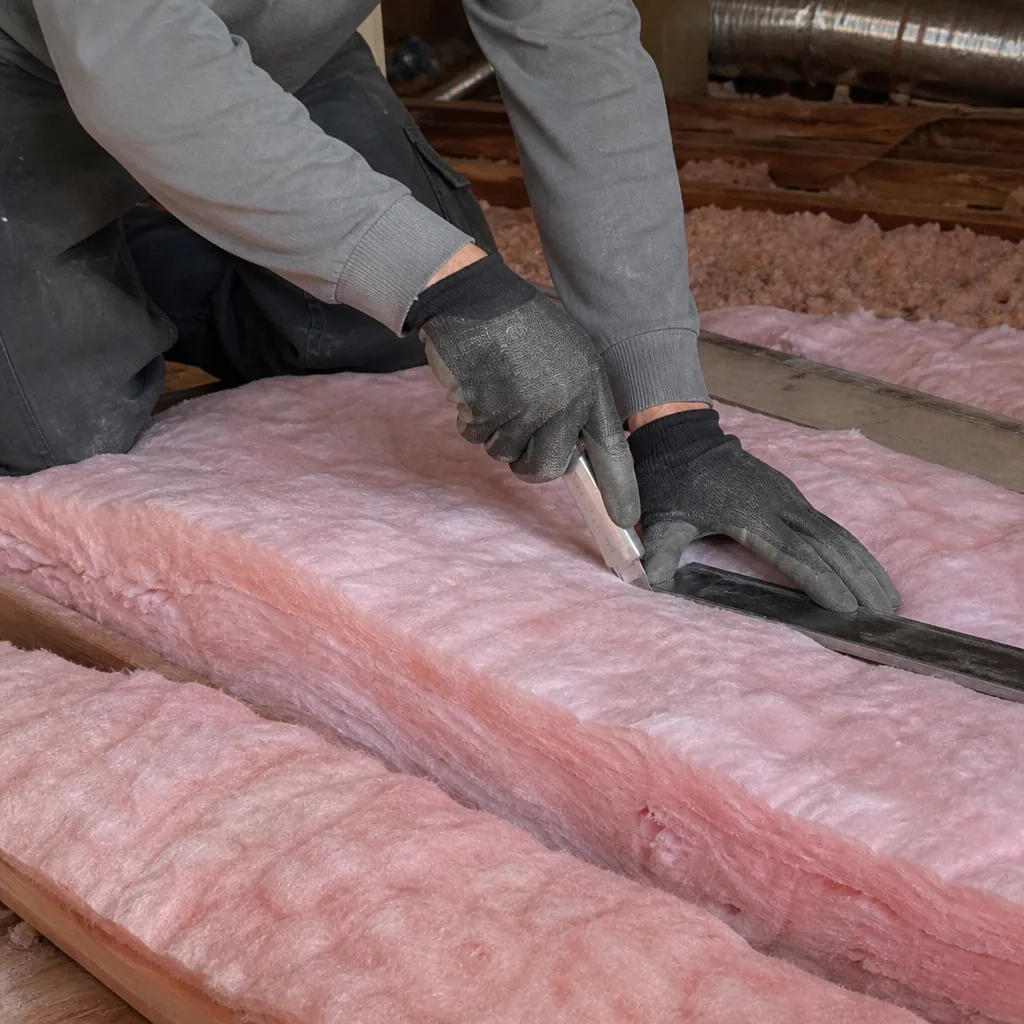
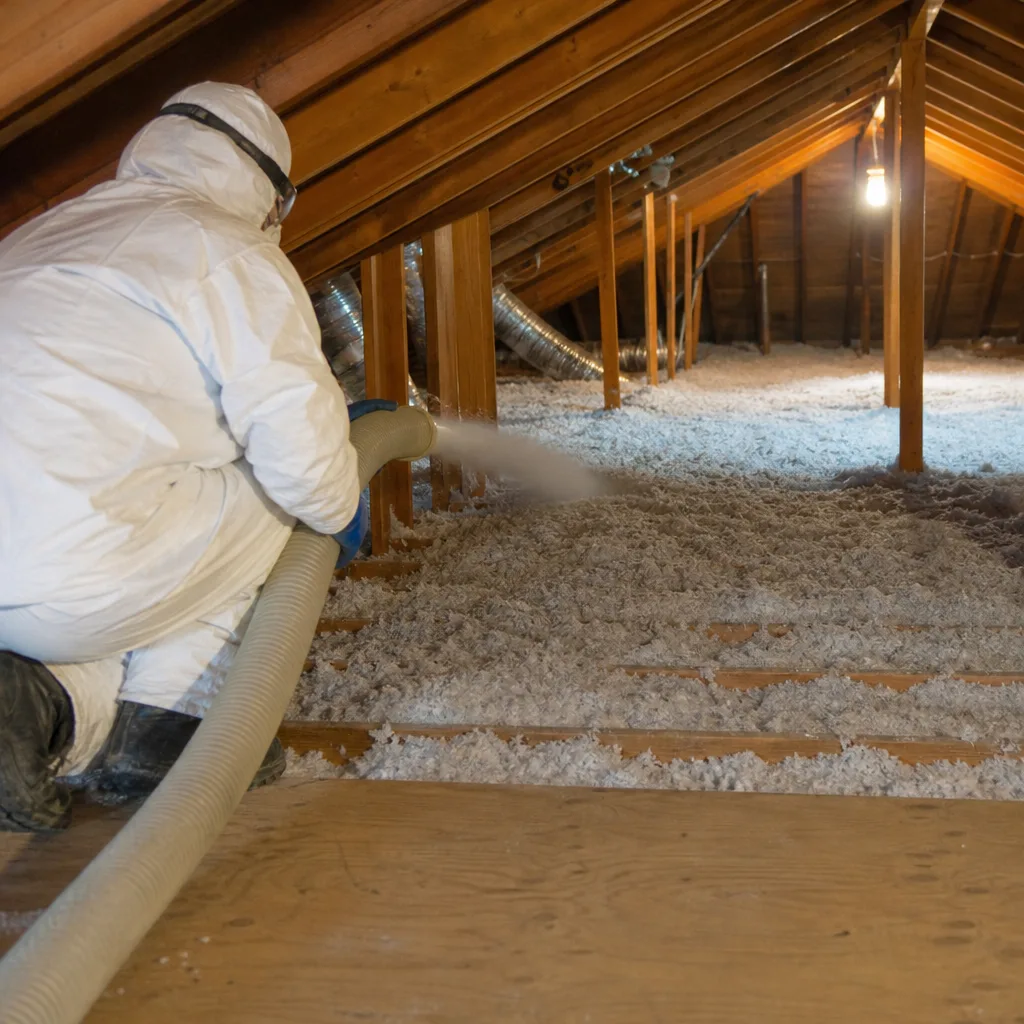
We match the material to your home, not the other way around, and Topanga’s housing stock tests that principle hard. CertainTeed fiberglass works well in standard-framed mid-century homes. For irregular owner-built cavities, Icynene spray foam performs where batts physically can’t. And for homeowners who want a non-combustible, moisture-resistant mineral wool, Rockwool is our go-to for WUI-adjacent attics. We keep these and other brands, including GreenFiber recycled cellulose and Demilec spray foam, stocked so Topanga customers aren’t waiting on a supply run. When we quote a brand, it’s because that material fits your specific attic, not because it’s what the distributor had on sale.
Common Attic Insulation Problems We See in Topanga Homes
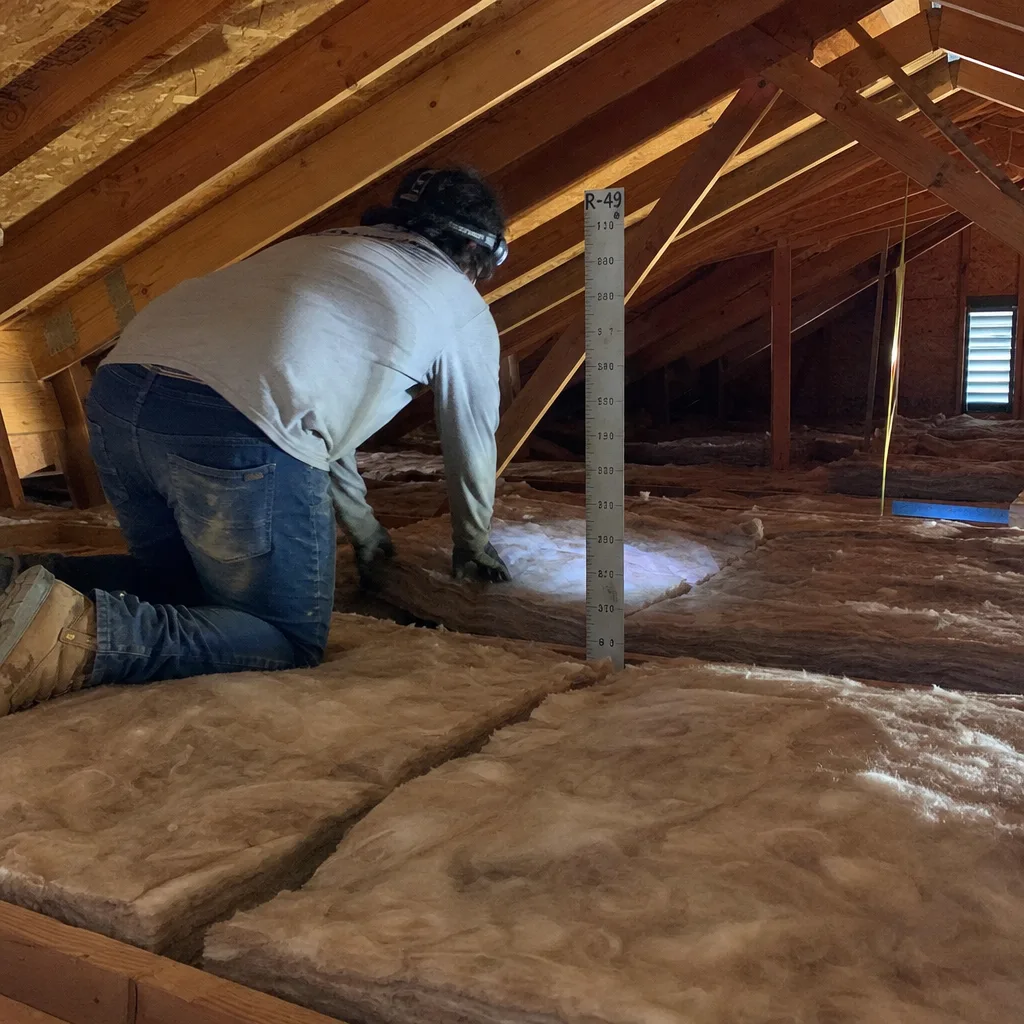
- Batt gaps around non-standard framing. Hand-built cabins and geodesic domes rarely have consistent 16- or 24-inch cavities, so standard batts leave open channels straight into the attic. These gaps leak conditioned air year-round and create paths for ember intrusion during Santa Ana events.
- Missing or undersized baffles in low-slope roofs. Canyon homes often have shallow roof pitches where the soffit meets the top plate. Without proper baffles, blown-in insulation blocks the only airflow, and the attic cooks in summer while trapping winter moisture.
- Rodent-damaged insulation near creek beds and brush. Topanga’s wildlife moves through attics regularly, and insulation makes ideal nesting material. We find chewed vapor barriers and urine-saturated batts more often in canyon homes than anywhere else we work.
- Vapor-impermeable insulation trapping moisture in irregular cavities. Sealing an owner-built roof assembly too tight without accounting for winter rains leads to hidden condensation. We’ve pulled out closed-cell spray foam other crews installed that rotted the rafters it was supposed to protect.
Pricing for Attic Insulation in Topanga, CA
A typical attic insulation job in Topanga runs $2,100 to $5,800, with the wide spread driven by method, material, and how irregular your framing actually is. Blown-in cellulose runs $1.40 to $2.20 per square foot installed. Fiberglass batts land around $1.10 to $1.80 per square foot in standard cavities. Spray foam runs $3.00 to $6.50 per board foot depending on open- or closed-cell and the access difficulty. Topanga’s WUI zone requirements sometimes push materials toward fire-rated mineral wool or closed-cell foam, which sits at the upper end of those ranges. Estimates are free, and Allen Decker won’t quote a number until he’s seen the attic.
We Also Serve Cities Near Topanga
North Tustin Insulation works throughout the Santa Monica Mountains and the surrounding foothills. We regularly serve Topanga as well as Encino, Santa Monica, Northridge, and Sherman Oaks. If you’re just outside the canyon proper, call (877) 265-5712 and ask if we cover your street. Most of the time, the answer is yes.
Serving Topanga, CA — Our Local Coverage Area
We’re based in the Topanga area and know this community well. Use the map below to see our service coverage — if you’re nearby, we can almost certainly help.
FAQs About Attic Insulation in Topanga
We start with a site visit to see how the framing is actually built, not to police permits. Non-standard cavities get custom-cut batts, or more often, Icynene spray foam that expands to fill irregular spaces completely. Unpermitted status doesn’t stop the work, but it does affect how we document the install and what recommendations we make for future permitting.
Geodesic domes almost always need closed-cell spray foam because the triangular cavities are impossible to batt effectively. Converted garages vary more, but we typically recommend blown-in cellulose or mineral wool when the framing is somewhat regular and spray foam when it’s not. Call (877) 265-5712 and we’ll tell you which applies after one look.
Not always. If the existing insulation is dry, free of rodents, and mostly intact, a top-up is often the smarter and cheaper move. We only recommend full removal when there’s moisture damage, heavy nesting, or the material has compressed enough to lose most of its R-value. You’ll get that honest answer, not a pitch for a bigger job.
Ember intrusion usually happens through vents and gaps in the roof assembly, so we seal those openings with fire-rated materials and specify assemblies that meet WUI Chapter 7A where the home requires it. Rockwool mineral wool is non-combustible, and closed-cell foam can close ember pathways that standard batts leave open. A properly sealed and insulated attic also buys time if a fire gets close.
Yes. Topanga’s building culture is largely owner-built, and many homes have never seen a code inspector. We work to current performance and fire-safety standards regardless of whether the structure is permitted, and we document everything as if an inspector might review it later. That protects you, and it protects the work.
If your Topanga attic needs an honest assessment, call (877) 265-5712 today for a free estimate. We’ll walk the space, tell you what’s actually wrong, and give you a number that holds.
Written by Allen Decker, Owner at North Tustin Insulation, serving Topanga and the surrounding Santa Monica Mountains.