Fast, Reliable Attic Insulation Across Valley Glen
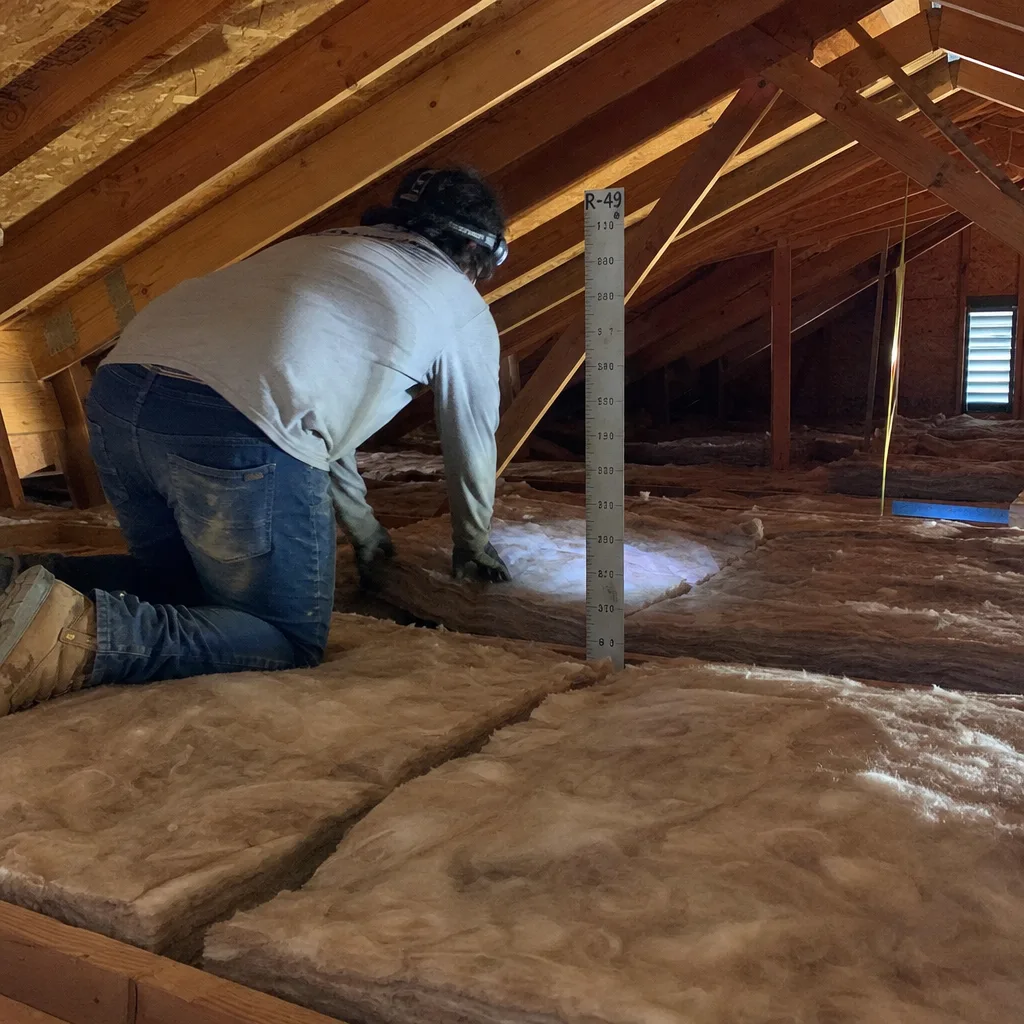
Attic insulation in Valley Glen isn’t a one-size-fits-all job. The ranch homes and stucco apartment buildings that fill this neighborhood were mostly built between the 1940s and 1960s, and their attics tell a story that newer construction doesn’t. We routinely find settled insulation, shallow clearances, and original wiring that changes how a retrofit should be done. North Tustin Insulation knows those attics. We’ve crawled through them, measured them, and brought them up to code. If you’re in 91404 and tired of running the AC nonstop through Valley Glen summers, call (877) 265-5712 for a free estimate. We respond fast and we know the housing stock here.
Why North Tustin Insulation Is Valley Glen’s Preferred Attic Insulation Company
Allen Decker built North Tustin Insulation with one trade in mind: insulation. We don’t split our attention across roofing, HVAC, or remodeling. Every truck, every technician, and every estimate focuses on this one thing. For Valley Glen homeowners, that means you’re not getting a generalist’s best guess. You’re getting a specialist who can look at a 1955 ranch attic and tell you whether the fiberglass has settled to R-4, whether the knob-and-tube wiring changes the plan, and whether a radiant barrier on the south-facing roof deck will do more for your cooling bill than another 6 inches of blown-in material. We carry eight major insulation brands, including CertainTeed, Icynene, Demilec, and GreenFiber, so the recommendation follows the house, not the truck inventory.
Valley Glen customers call us for three reasons: heat, uneven temperatures, and old insulation that’s quietly failing. The response time to this neighborhood is short, and we schedule around the valley’s summer rush because we know attic work in July isn’t optional here. Our Attic Insulation team handles everything from full replacement to top-ups and ventilation prep.
Attic Ventilation in Valley Glen
Attic Ventilation in Valley Glen is about moving the 120°F air that builds up in those low, tight attic spaces before it radiates into your living room. We see this all the time: a homeowner adds insulation but skips ventilation, and the attic still cooks because hot air has nowhere to go. In Valley Glen’s shallow attics, proper ventilation means ridge-and-soffit combinations sized for the roof footprint, plus baffles that keep insulation from blocking airflow at the eaves. It’s not glamorous work, but it’s the difference between an attic that holds 105°F and one that drops to 95°F or less when the sun’s overhead.
Baffles and Airflow in Shallow Attics
In a 3-to-4-foot attic, baffles aren’t optional. Without them, blown-in insulation drifts over the soffit vents and chokes the air intake. We hand-fit baffles along the eave line before any material goes in, then check that air can actually move from soffit to ridge. Valley Glen’s postwar trusses make this fiddly, but skipping it means your ventilation system is a decoration.
When Ventilation Fixes What Insulation Can’t
If your ceiling feels warm to the touch on summer afternoons and your AC runs without cooling the house, the problem may not be insulation depth. It’s trapped heat. We measure attic temperature against outside temperature during a Valley Glen afternoon and use that data to decide: more insulation, better ventilation, or both. Most older ranches here need both.
Radiant Barrier in Valley Glen
Radiant Barrier in Valley Glen is one of the highest-impact upgrades you can make in this specific climate. The San Fernando Valley sun beats directly on your roof deck from late morning through evening, and a radiant barrier reflects that heat before it enters the attic. In Valley Glen’s 1940s and 1950s ranches, where roof profiles are simple and often south-facing, a properly installed barrier can cut attic heat gain noticeably. We see attic temperatures drop by 20 – 30°F on 100-plus-degree days when a radiant barrier is paired with adequate insulation. That heat reduction translates into shorter AC cycles and lower summer bills, which is exactly what this neighborhood’s cooling season demands.
South-Facing Roof Decks: Your Biggest Heat Load
Most Valley Glen ranches have the long axis of the house oriented east-west, which means one large roof plane takes direct afternoon sun. That’s the side that gets the radiant barrier first. We staple a reinforced foil barrier to the underside of the rafters on the hottest-facing deck, leaving an air gap below the foil. An air gap is essential; without it, the foil conducts heat instead of reflecting it, and you lose most of the benefit.
Radiant Barrier Plus Insulation: The Valley Glen Combo
A radiant barrier isn’t a replacement for insulation. It works alongside it. In Valley Glen, the smartest retrofit is often blown-in insulation brought up to R-38 plus a radiant barrier on the south-facing deck. The insulation slows conductive heat transfer; the barrier reflects radiant heat. Together they handle the two ways heat gets into your house, and they do it in a shallow attic where every inch of space counts.
Trusted Brands We Service in Valley Glen
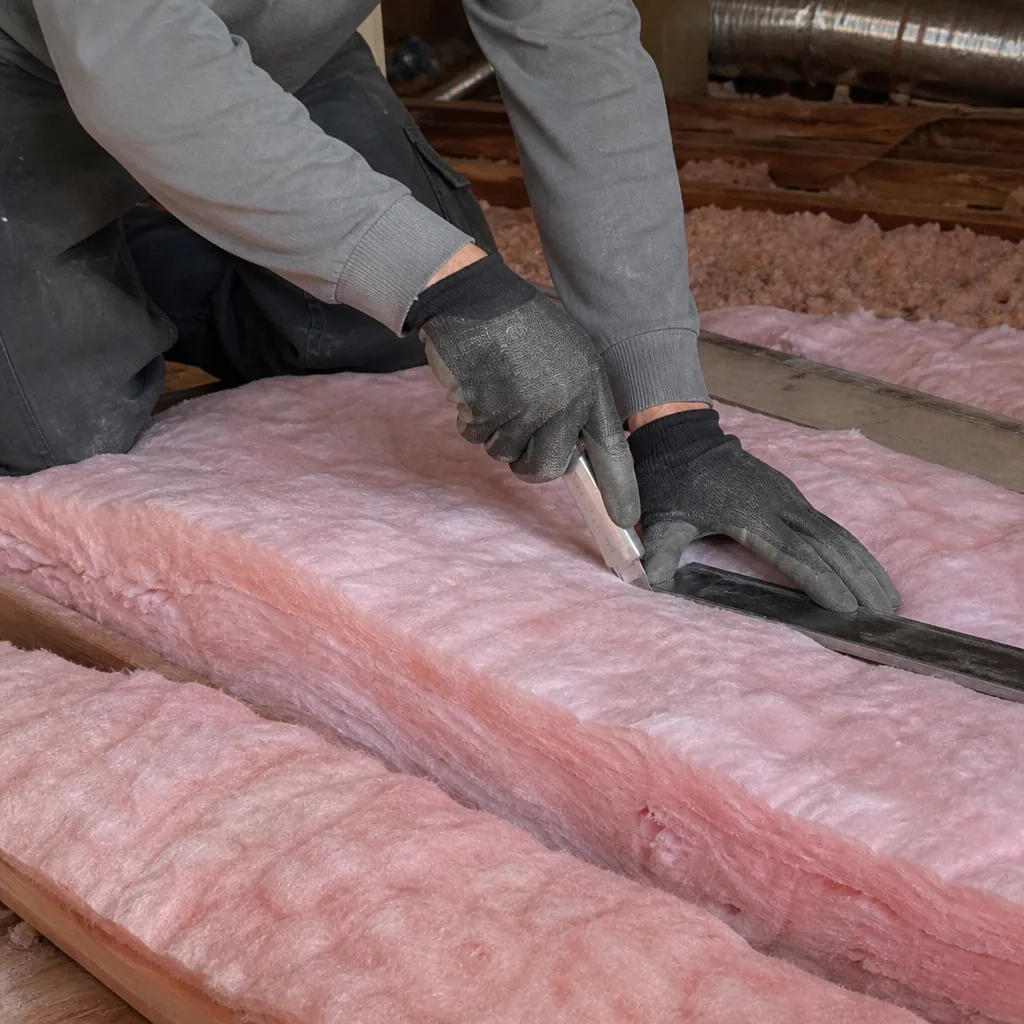
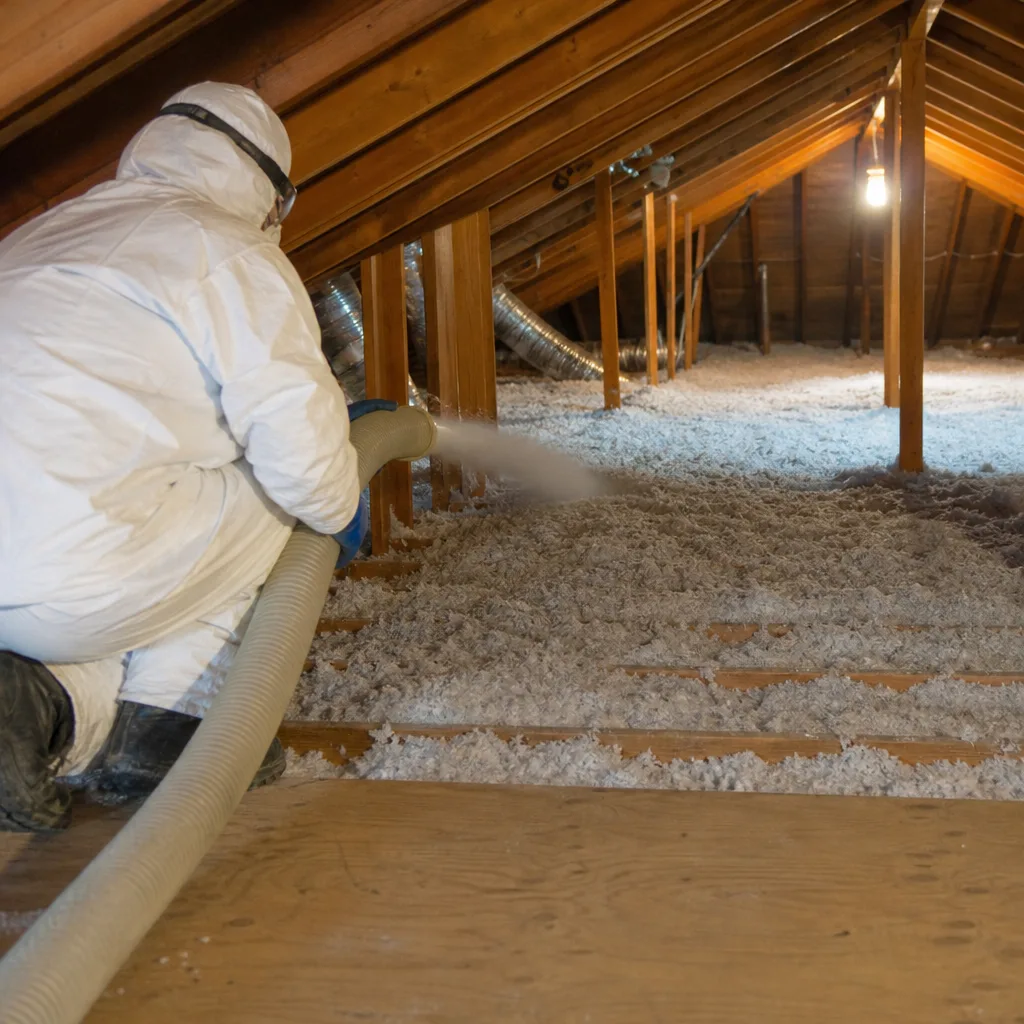
We stock and install CertainTeed fiberglass, GreenFiber recycled cellulose, Icynene spray foam, and Demilec open-cell foam, among others in our eight-brand lineup. Why does that matter for Valley Glen? Because a 1952 ranch with 3 feet of clearance needs a different material than a 1960s stucco apartment building with a flat roof and a drop ceiling. We don’t push one brand. We match the material to the home. For Valley Glen customers, that often means CertainTeed fiberglass blown in over a hand-baffled shallow attic, or GreenFiber cellulose where knob-and-tube clearance and air-sealing are priorities. Parts and materials ship fast to this area; we’re not waiting on a supply chain when the valley heat is already here.
Common Attic Insulation Problems We See in Valley Glen Homes
- Settled blown-in insulation reading R-4 or less. The original material in these 1940s – 1960s attics has compressed over 60-plus years. We measure it before we touch anything, and the number often shocks homeowners.
- Knob-and-tube wiring buried under old insulation. Original wiring runs along attic joists in many Valley Glen ranches. Insulation can’t safely contact it without proper clearance or rewiring, so the retrofit plan has to account for it from the start.
- Shallow 3 – 4 foot attics with no room to work. Low clearance means standard blowing equipment can’t always reach the far corners. We use low-profile hoses and hand-baffling to get full coverage without compressing the material.
- Displaced insulation from past HVAC or electrical repairs. Anyone who’s worked in these attics has likely shoved insulation aside and left it. Gaps along top plates let heat pour into living spaces, even if the average depth looks fine.
Pricing for Attic Insulation in Valley Glen, CA
A straightforward blown-in retrofit on a typical Valley Glen ranch runs $1,800 – $3,200 depending on square footage, existing insulation that needs removal, and wiring clearance work. Adding a radiant barrier to the south-facing roof deck typically adds $900 – $1,600. Full insulation replacement, where we vacuum out old material, seal bypasses, and blow in new product to R-38, lands between $2,800 and $5,000 for most homes in this neighborhood. Knob-and-tube remediation adds cost because it involves an electrician’s clearance before we install. We give free estimates, and the quote we write is the price you’ll see on the invoice. Call (877) 265-5712 to schedule a look at your attic.
We Also Serve Cities Near Valley Glen
Our crews work throughout the central San Fernando Valley. If you’re in Van Nuys, Sherman Oaks, Encino, or North Hills, we’re minutes away and familiar with the same mid-century housing stock. Whether you need Attic Insulation in Valley Glen or a retrofit in a neighboring neighborhood, the approach is the same: measure what’s there, fix what’s failing, and match the material to the house.
Serving Valley Glen, CA — Our Local Coverage Area
We’re based in the Valley Glen area and know this community well. Use the map below to see our service coverage — if you’re nearby, we can almost certainly help.
FAQs About Attic Insulation in Valley Glen
Yes. Most Valley Glen ranches have shallow attics, and R-38 is achievable in spaces as low as 3 feet when we use low-profile blowing hoses and hand-baffled eave protection. It takes longer than a taller attic, but the result is the same: full depth with no compressed spots. Call (877) 265-5712 and we’ll measure your attic before quoting anything.
Look for exposed joist tops and wall top plates. In a properly insulated attic, the ceiling joists are buried under material. If you can see the tops of the joists running across your attic floor, your insulation has settled and lost most of its R-value. Many Valley Glen homes we inspect read R-4 to R-8 when they should be at R-38. A free attic assessment from us will give you the real number.
Ventilation moves hot air out of the attic; a radiant barrier stops heat from entering the attic in the first place. In Valley Glen’s summer climate, the two work together. Ventilation needs baffles and proper soffit-to-ridge airflow; a radiant barrier needs an air gap below the foil on the hottest roof deck. We install both, and for most postwar ranches here, the combined upgrade delivers the biggest cooling-bill difference.
Yes, with the right precautions. Knob-and-tube can’t be covered by insulation because it relies on air circulation to stay cool. That means we either keep insulation away from the wiring’s path with proper clearance, or we recommend having the circuit evaluated before adding material. We do not bury live knob-and-tube under fiberglass. Safety comes first, and we’ll walk you through what your attic actually needs. Estimates are free at (877) 265-5712.
Most Valley Glen ranch attics take one full day, including removal of old material if needed. Shallow clearances and knob-and-tube work can stretch it to two days. We protect your floors, keep the living space clean, and finish with a photo of the completed attic so you can see exactly what was done.
Written by Allen Decker, Owner at North Tustin Insulation, serving Valley Glen and the San Fernando Valley.