
Fast, Reliable Attic Insulation Across Wildomar
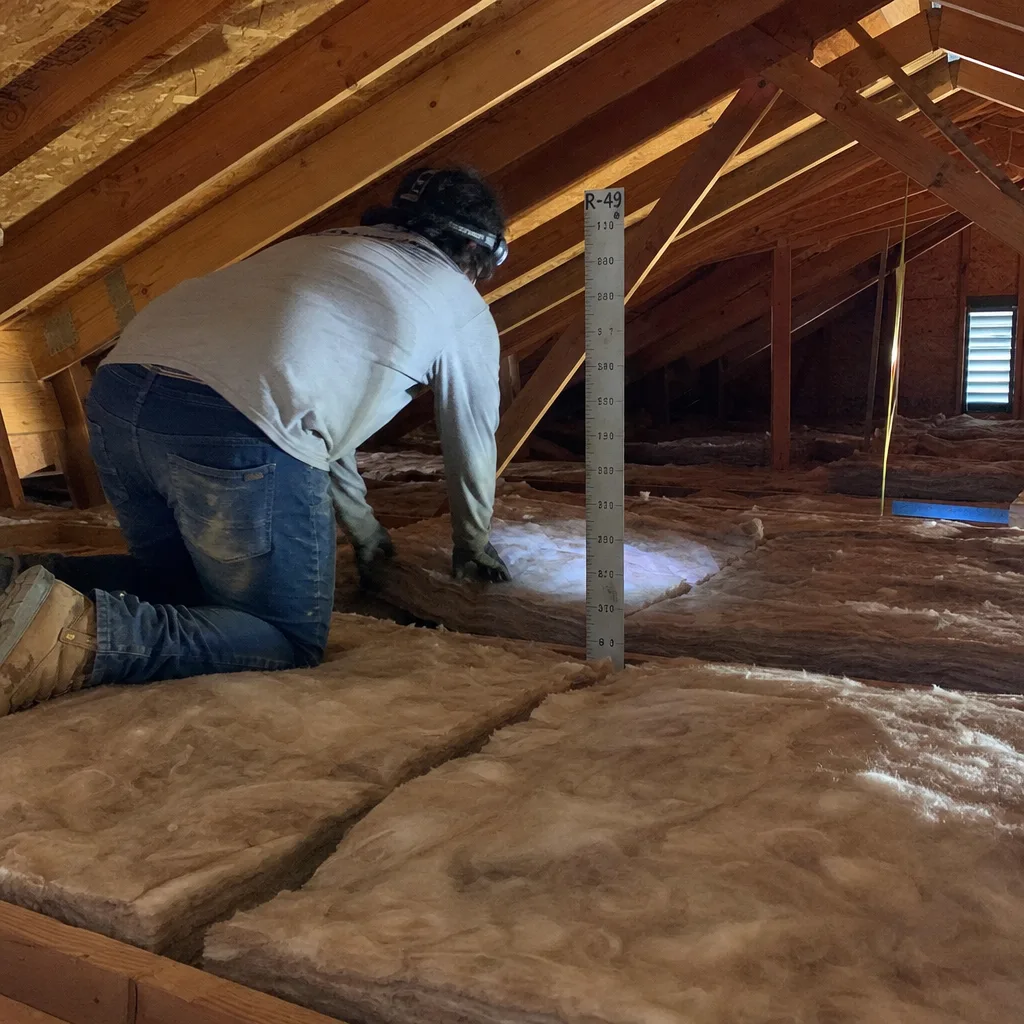
Attic insulation in Wildomar is less about keeping heat in and more about keeping 100°F summer heat out. Most homes in the 92595 zip code were built between the late 1980s and mid-2000s, and their original R-13 or R-19 batts have been sitting under a dark shingle roof through decades of inland Riverside County summers. By now, that fiberglass is compressed, sun-baked, and doing a fraction of the job it did on day one. Our Insulation team knows exactly what that looks like, because we see it in Wildomar attics every week. If your upstairs runs hot by 3 p.m. or your AC never seems to shut off, call us at (877) 265-5712 and we’ll tell you straight what’s going on and what it takes to fix it.
Why North Tustin Insulation Is Wildomar’s Preferred Attic Insulation Company
We’re an insulation-only contractor, which means Wildomar homeowners deal with people who think about thermal performance, venting, and radiant heat all day, not a general contractor who squeezes insulation between a roofing job and a bathroom remodel. Insulation is what we do. Every estimate, every crew member, every material decision is focused on that one trade.
We also carry more than one brand and more than one method. That matters in Wildomar because a 1995 tract home off Clinton Keith Road needs something different from a rural manufactured home out near the Cleveland National Forest boundary. We install Owens Corning and CertainTeed fiberglass, Rockwool mineral wool, GreenFiber recycled cellulose, and Icynene or Demilec spray foam. The recommendation comes from what your attic actually needs, not from whichever product happens to be on our truck that day.
Wildomar customers tell us the same thing over and over: they want someone who will level with them. We show up, look in the attic, measure what’s there, and tell you if a top-up makes sense or if the old stuff needs to come out first. No scare tactics. No one-size-fits-all pitch.
Attic Ventilation in Wildomar
Attic ventilation in Wildomar is not optional; it’s the difference between an attic that bakes and a home that holds temperature. When a dark shingle roof sits under 100°F inland sun, the air inside the attic can hit 140°F or higher. Proper ventilation lets that superheated air escape, so it stops radiating down through the ceiling into your living space. A typical attic ventilation project for a Wildomar home, including baffles and new venting, runs $350 to $1,100 depending on attic size and how many vents the roofline needs. If you feel heat pressing down from the ceiling on hot afternoons, poor venting is usually part of the story.
Baffle Installation Before New Insulation
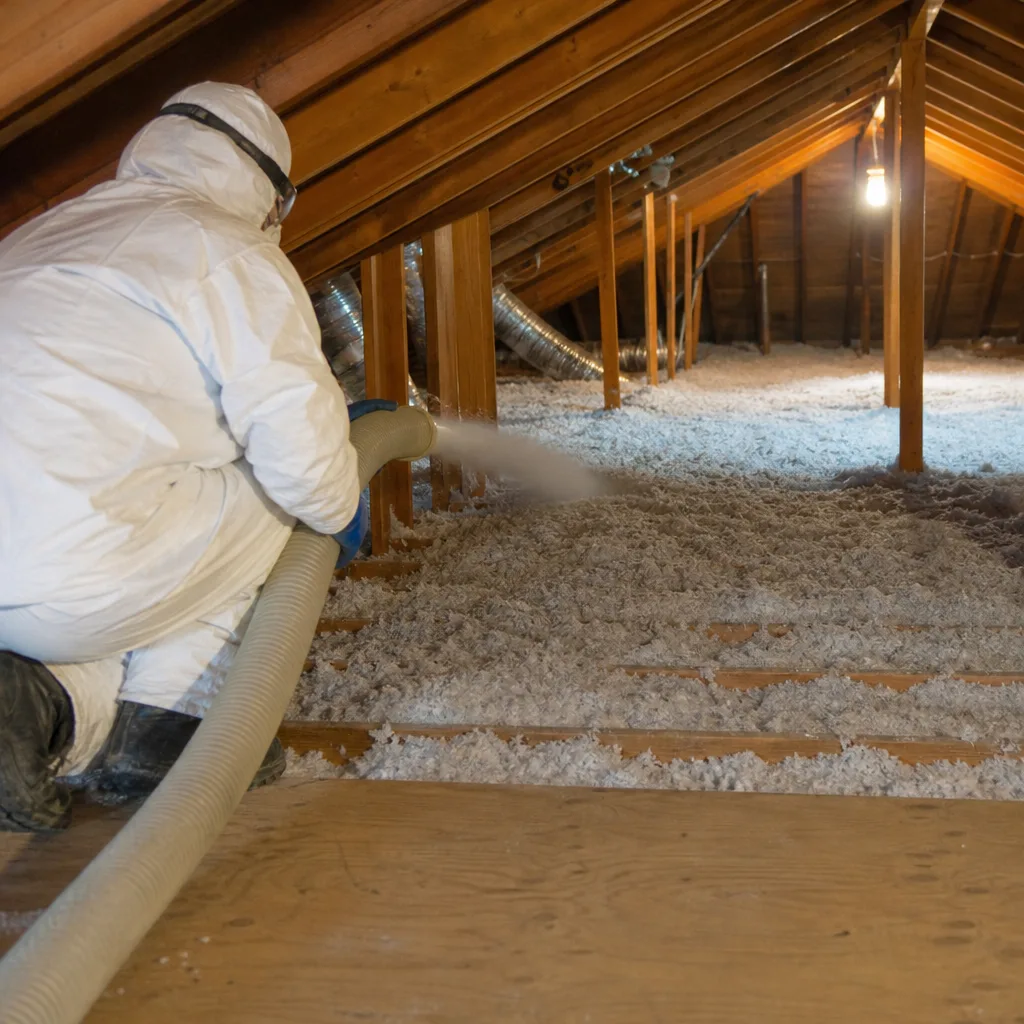
If you’re adding blown-in insulation, baffles go in first. They keep the insulation from blocking soffit vents so air can still move from the eaves up and out the ridge. In Wildomar’s tract homes, we routinely find soffit vents buried by old, drifted insulation, which means the attic has been cooking for years with zero airflow.
Signs Your Wildomar Attic Isn’t Venting
Upstairs rooms that never cool down, AC running nonstop after 2 p.m., and a roof deck that’s too hot to touch from below are all signs. So is moisture staining on the underside of the roof sheathing in winter. These problems compound fast in inland heat.
Radiant Barrier in Wildomar
Radiant barrier in Wildomar is often the single highest-impact upgrade you can make to an older attic, because inland heat doesn’t just rise; it radiates. A dark shingle roof absorbs the sun’s energy and sends it straight down through the attic floor. A radiant barrier stapled to the underside of the rafters reflects that heat back up before it becomes your problem. Typical Wildomar radiant barrier installation runs $1,500 to $3,800 for a standard tract home attic, depending on square footage and access. In this climate, it’s not a fringe add-on; for many homes it beats adding extra R-value that can’t overcome direct radiant gain.
Which Homes Benefit Most Here
Homes built in the 1980s and 1990s with asphalt shingle roofs and original batt insulation get the biggest jump. The roof absorbs everything, the batts can’t stop radiant transfer, and the upstairs rooms suffer. Add a radiant barrier and suddenly the attic air temperature drops 20 to 30 degrees on a hot day, which takes a huge load off the AC and makes the conditioned air you’re paying for stay where it belongs.
Radiant Barrier Combined With Venting
Radiant barrier and attic ventilation work together. The barrier reflects heat before it penetrates, and the venting removes whatever heat still builds up. In Wildomar’s summer, you want both. That pairing is the difference between an attic that’s merely hot and one that’s actively fighting against your AC.
Trusted Brands We Service in Wildomar
We carry and install multiple brands so Wildomar homeowners get the right material for the right situation, not a one-brand speech. On the fiberglass side, we work with Owens Corning and CertainTeed. For spray foam applications, we’re set up with Icynene and Demilec. For homeowners who want a sustainable option, GreenFiber recycled cellulose is a strong choice that performs well in Wildomar’s heat. Because we stock materials across these lines, we don’t have to special-order common products or keep you waiting for an install. When your attic is ready, we’re ready.
Common Attic Insulation Problems We See in Wildomar Homes
- Sun-baked original batts that have lost their loft. In Wildomar’s 1980s and 1990s tract attics, we regularly see R-19 batts compressed down to what looks like R-8. Heat has flattened them, and the gaps between joists mean the rated R-value is long gone.
- Zero radiant protection under a dark shingle roof. Many local homes have no radiant barrier at all, so a 100°F day becomes a 140°F attic and a second-floor that can’t keep up. The heat radiates right through the ceiling drywall.
- Blocked or undersized attic ventilation. Soffit vents buried under blown-in insulation, ridge vents that were never installed, and gable vents that don’t move enough air. The attic becomes an oven with no exhaust.
- Rural and manufactured homes with little to nothing up there. On Wildomar’s outskirts, older rural properties and manufactured homes often have bare ceiling cavities or a thin layer of something that was never meant for this climate. The heat gain is essentially uncontrolled.
Pricing for Attic Insulation in Wildomar, CA
Here’s what we’re seeing on the ground in Wildomar right now. A blown-in attic insulation top-up for a typical 1,500 to 2,000 square foot tract home runs $1,200 to $2,600, assuming you already have decent venting and a workable base layer. Full attic insulation replacement, where we remove the old compressed batts and start fresh, runs $2,800 to $5,500 depending on attic size and access. Adding a radiant barrier on top of that runs $1,500 to $3,800. Attic ventilation and baffle work, as noted above, runs $350 to $1,100. The biggest cost driver is whether we can work over what’s there or need to pull it out first. Call (877) 265-5712 and we’ll walk your specific attic and give you a real number. Estimates are free, and we don’t do high-pressure sales.
We Also Serve Cities Near Wildomar
Our customers come from all over southwest Riverside County, so if you’re searching for Attic Insulation help beyond 92595, we also serve Murrieta, Murrieta Hot Springs, Sedco Hills, and Lakeland Village. Same straight answers, same brand selection, same focus on what your attic actually needs. Attic Insulation in Wildomar is our home base for this valley, and the surrounding communities get the same attention.
Serving Wildomar, CA — Our Local Coverage Area
We’re based in the Wildomar area and know this community well. Use the map below to see our service coverage — if you’re nearby, we can almost certainly help.
FAQs About Attic Insulation in Wildomar
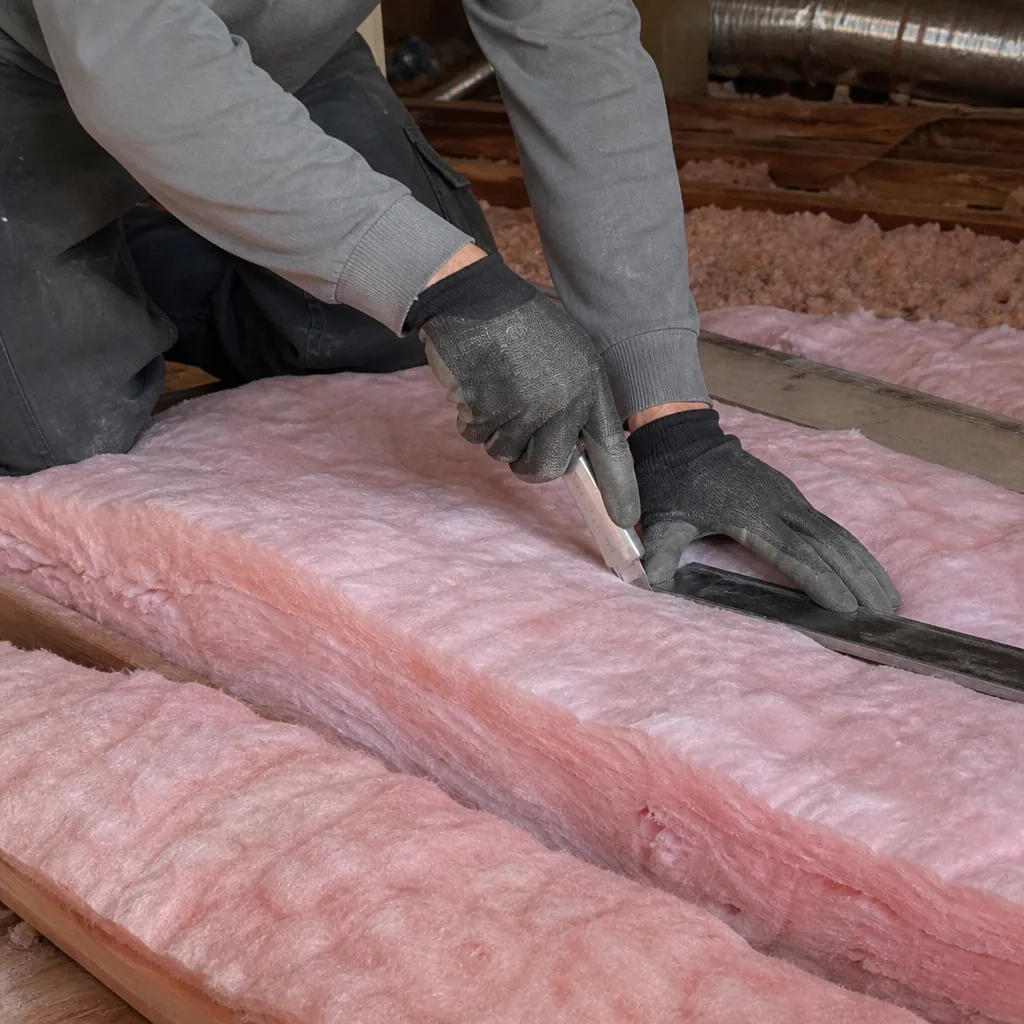
Almost never. In Wildomar’s 92595 tract homes, two and a half decades of 100°F-plus summers have compressed and sun-baked the original R-13 or R-19 batts to roughly half their rated thickness. The insulation is still there physically, but it’s not doing its job. In most cases you’re better off pulling it and starting fresh, or at minimum doing a full-depth top-up over what remains. Call (877) 265-5712 and we’ll inspect your attic and tell you what’s actually salvageable.
Yes, and in many Wildomar homes it matters more. R-value slows conductive heat, but radiant heat from a dark shingle roof passes straight through insulation. A radiant barrier reflects that heat before it enters the attic space, which is why it makes such a big difference in inland climate. If we had to choose between adding R-value or adding a radiant barrier to an unvented 1990s attic here, we’d often recommend the barrier first. A direct answer for your home comes down to what’s already up there.
Yes, because the real fight here is summer heat gain, not winter heat loss. A properly insulated and vented attic keeps the superheated attic air from radiating into your living space, which means your AC doesn’t have to work as hard, your upstairs rooms stay closer to the thermostat setting, and your electric bill stops spiking every August. The fact that winters are mild doesn’t reduce the summer problem; if anything, it means your home was built with less concern about thermal performance from day one. Call us for a free estimate on what it would take to fix your attic.
Those are some of the toughest cases we see, because many of them have little to no attic insulation at all. A manufactured home with a thin roof cavity and no radiant barrier is essentially a metal box in the sun, and the heat gain is brutal. We approach these differently: spray foam often makes the most sense for tight or unusual cavities, and a radiant barrier under the roof deck helps a lot. The good news is you can make a massive difference for a reasonable cost once we see what we’re working with. Every situation is different, so call (877) 265-5712 and we’ll come look.
We carry and install multiple brands so we can match the material to the home. Owens Corning and CertainTeed for fiberglass, Rockwool for mineral wool, GreenFiber for recycled cellulose, and Icynene or Demilec for spray foam. That matters in Wildomar because tract homes, rural properties, and manufactured homes each need a different solution. We don’t push one brand; we recommend what fits your attic, your budget, and how you use the house. Estimates are free, so call us at (877) 265-5712 and we’ll walk you through the options. Led by Allen Decker, we’ve built our reputation on telling Wildomar homeowners the truth about what’s in their attic and what it will take to fix it.
Written by Allen Decker, Owner at North Tustin Insulation, serving Wildomar and the surrounding Inland Empire.