
Fast, Reliable Attic Insulation Across Citrus
Attic insulation in Citrus, CA typically costs $1,800 – $4,600 for a full post-war ranch home, with top-ups running $900 – $2,200 and radiant barrier installation adding $1,400 – $2,800 depending on attic size and access. Most Citrus jobs are completed in a single day because we sequence the work the way this valley’s climate demands: ventilation and radiant barrier before added R-value. If your attic runs 150°F+ by midday, we can get a crew to your ZIP 91702 home fast. Call (877) 265-5712 for a free estimate and an honest read on what your attic actually needs.
We know Citrus attics better than a general contractor from across the county ever will. The post-war housing stock on hillside lots near the San Gabriel foothills throws specific problems at homeowners: shallow truss bays, soffit vents painted shut decades ago, and original insulation compressed flat against the ceiling. This isn’t a “blow in more fiberglass and call it done” market. It’s a sequence-the-work-correctly market.
Why North Tustin Insulation Is Citrus’s Preferred Attic Insulation Company
Citrus homeowners keep our number because the recommendation matches the house, not the truck’s inventory. We’re an Attic Insulation contractor that carries eight brands across fiberglass, mineral wool, cellulose, and spray foam. When a 1955 ranch off Barranca Avenue shows up on the schedule, we already know what we’re likely to find: a shallow attic, maybe a retrofit gable fan that never solved the real problem, and a homeowner tired of a second-story bedroom that won’t drop below 80°F in July. We’ve done this work in Citrus enough times to skip the learning curve and go straight to the fix.
What builds trust here isn’t a slogan. It’s the fact that we don’t have a single material to push. If your attic needs air sealing and a radiant barrier before another inch of insulation, that’s what Allen Decker’s crew will tell you. If spray foam is genuinely the right call for a converted garage with a flat roof, we carry Icynene and Demilec and we’ll say so. The point is you get a recommendation driven by your home’s thermal envelope, not a commission sheet.
Response time to Citrus is short. We route trucks from the North Tustin yard into the San Gabriel Valley daily, and most estimates in ZIP 91702 happen within one or two business days of your call. Service work often quicker. The phone number is (877) 265-5712 and the person answering actually knows insulation, which is refreshing if you’ve ever tried to describe an attic condition to a call center.
Insulation Contractors in Citrus
Insulation contractors in Citrus have to understand something that installers in coastal Orange County never face: a 150°F+ attic by midday in July where the R-value on the bag is meaningless until the heat path is broken. That changes the job sequence. Here, we open ventilation, seal the bypasses, and install radiant barrier before we add insulation depth. In most markets it’s the reverse. Citrus is different because the San Gabriel Valley sits inland, dry, and sun-blasted through the long summer, with mild winters that never punish a marginal attic the way a Minnesota January would. So the priority is blocking and reflecting heat, not just trapping it.
Radiant barrier and heat-load evaluation
We walk the attic first and check the actual surface temperatures with an infrared thermometer. In Citrus’s older attics, we routinely find roof decking at 160°F+ while the insulation below reads 130°F and the ceiling underneath is 85°F. That tells us the real problem is radiated heat transfer, not insufficient R-value. Stapling a perforated radiant barrier under the rafters, with an air gap, drops the attic temperature dramatically before we ever open a bag of insulation.
Post-war attic air sealing
Homes built in ZIP 91702 during the 1940s-1960s leak air along top plates, around recessed can lights, and through plumbing chases. We seal those bypasses with foam and caulk before adding insulation. Otherwise you’re essentially filtering hot valley air through your ceiling and paying the AC to fight it.
Attic Ventilation in Citrus
Attic ventilation in Citrus is the most under-diagnosed part of the insulation trade here, because so many post-war homes along routes like Citrus Avenue and Foothill Boulevard had their soffit intake vents painted over, blocked by blown-in insulation, or simply never had enough of them. Without intake, ridge or gable exhaust can’t pull air through the attic. The space stagnates. Heat builds. And the homeowner who just paid for R-38 is still seeing afternoon temperatures climb upstairs. Ventilation gets specified in cubic feet per minute per square foot of attic floor, and we calculate it against the actual net free vent area of your soffits and roof vents, not a guess.
Opening soffit intake paths
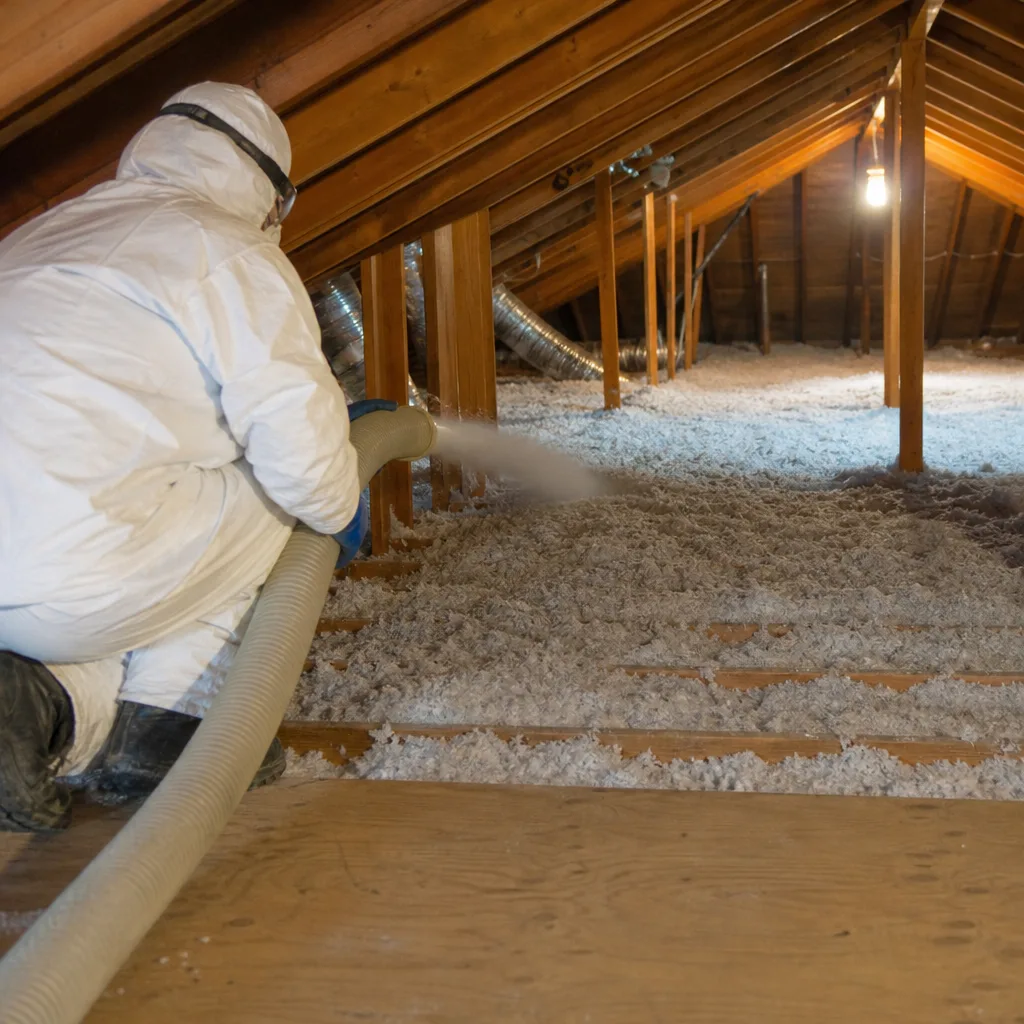
The first step is confirming air can actually get in. On a mid-century ranch off a Citrus hillside lot near the foot of the San Gabriel Mountains, our tech found the original insulation in a shallow attic compressed to a few inches and the soffit vents painted shut. We air-sealed the top plates, stapled a perforated radiant barrier under the rafters to keep it off the decking, opened the intake path, then blew GreenFiber to a modern depth. One trip. The homeowner’s afternoon AC cycling dropped noticeably within the week.
Baffles and proper exhaust
When we add ventilation to a Citrus attic, we install baffles in each rafter bay to keep the intake channel clear of insulation. Then we match the exhaust to the intake so the attic actually breathes. Ridge vents, box vents, or powered fans each have their place, but they fail when the intake area is undersized or blocked. We size the whole system before we install anything.
Trusted Brands We Service in Citrus
We’re not tied to one manufacturer, and that matters when you’re deciding between GreenFiber cellulose for a deep blow-in job or Icynene spray foam for a converted attic room. We also carry Owens Corning fiberglass for standard batt and top-up work. For Citrus customers, that means fast access to the right material without waiting on a special order from a brand we don’t stock. Parts for common jobs, from baffle vents to radiant barrier, ride with us on service days. If you’ve got a specific material in mind from a previous quote, tell us and we’ll tell you honestly whether it’s the right fit for your attic or whether a different brand will outlast it in this valley heat.
Common Attic Insulation Problems We See in Citrus Homes
- Ventilation clogged or painted shut: In post-war attics throughout ZIP 91702, soffit vents were painted over decades ago and never reopened. Added R-value alone still leaves the attic at 150°F+ by midday in July because there’s no airflow.
- Radiant barrier installed wrong: We see radiant barrier stapled flush against the roof decking, which conducts heat straight into the sheathing and voids the reflection benefit. It has to hang off the rafters with an air gap to work.
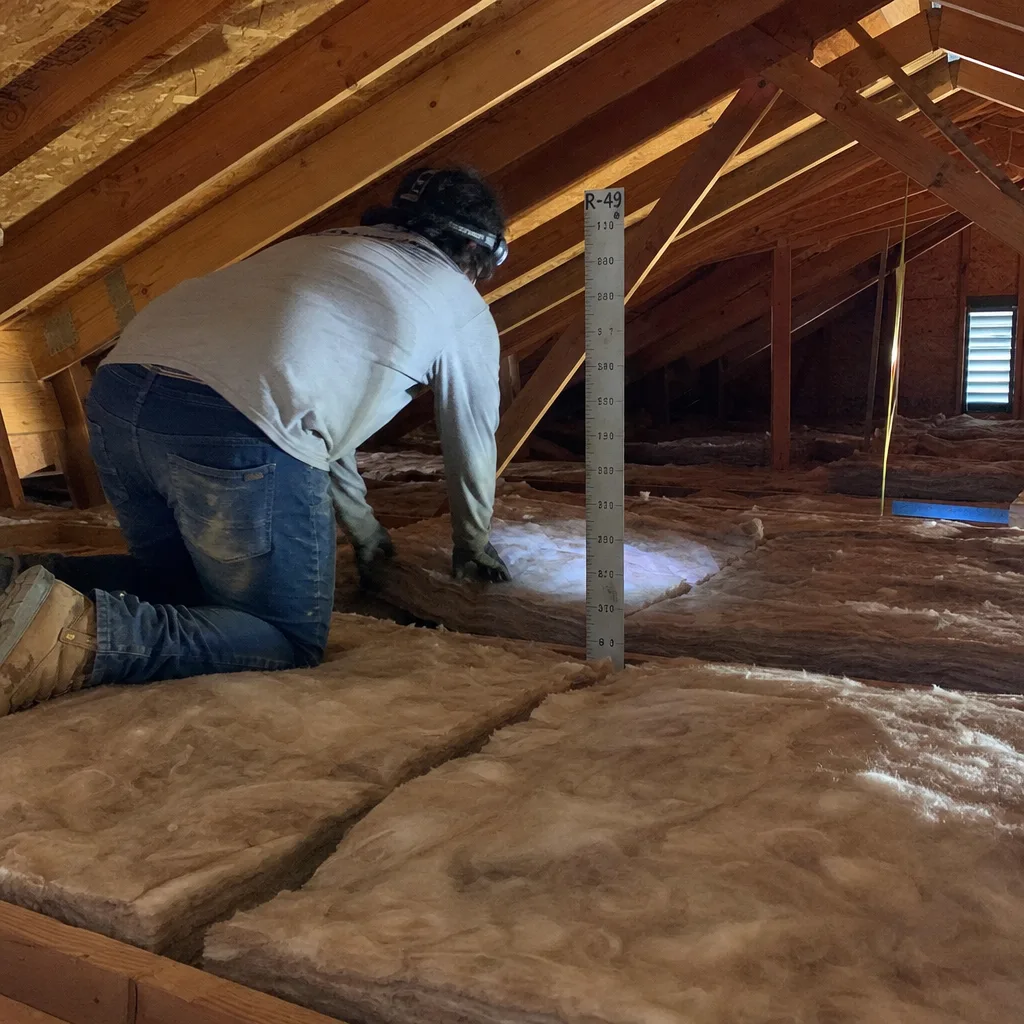
- Original batts compressed and displaced: Homes built in the 1940s-1960s around Citrus often have shallow attic cavities with original fiberglass batts compressed flat under newer blown-in layers. Compression kills the R-value the bag promised.
- Unsealed top plates and can lights: Hot valley air leaks down from the attic into living space around recessed lights, plumbing stacks, and wall top plates. This is a major hidden driver of high AC bills for local ranch and bungalow homes.
Pricing for Attic Insulation in Citrus, CA
A typical full attic insulation replacement on a 1,400 – 1,800 square foot post-war home in Citrus runs $2,400 – $4,600, including air sealing. Blown-in top-ups on homes that just need additional depth usually cost $900 – $1,800. Adding a perforated radiant barrier under the rafters on a standard ranch roof is $1,400 – $2,800, and it’s often the single highest-impact dollar spent on a San Gabriel Valley attic. Ventilation work, including baffles and opening blocked soffits, adds $600 – $1,500 depending on scope and access. What drives the price is attic square footage, ceiling height, how shallow the truss bays are, and how much cleanup the old insulation requires. We always give you the numbers before any work starts, and the estimate is free. Call (877) 265-5712 and we’ll come measure the actual attic, not estimate over the phone from a photo.
We Also Serve Cities Near Citrus
North Tustin Insulation regularly runs crews into Azusa, Irwindale, Covina, and Glendora as well. So if you’ve got family in the next town over with the same mid-century attic problems, we’re already working in that corridor. Citrus is our home base for the San Gabriel Valley service area, but we keep the same brand lineup and sequencing approach for every ZIP we cover.
Serving Citrus, CA — Our Local Coverage Area
We’re based in the Citrus area and know this community well. Use the map below to see our service coverage — if you’re nearby, we can almost certainly help.
FAQs About Attic Insulation in Citrus
Because your attic reads 150°F+ by midday in July regardless of the R-value printed on a fiberglass bag. In Citrus, the heat enters through the roof deck and radiates down. If you don’t have a radiant barrier and working ventilation, adding R-value just means a thicker blanket sitting under a hot lid. We fix the heat path first, then the depth. Call (877) 265-5712 and we’ll show you the temperature readings from your own attic.
Most homes built in Citrus before the 1990s benefit more from a radiant barrier than from additional blown-in insulation, because the dominant heat load is solar radiation, not winter heat loss. A perforated barrier under the rafters with a proper air gap typically drops attic temperatures 20 – 30°F in summer. That’s the single most effective dollar spent on most attics in this valley.
Yes, shallow attic cavities limit how much insulation you can physically install without blocking ventilation paths. We work around shallow truss bays by air sealing, installing baffles for intake air, and blowing the insulation to the maximum effective depth for the space. In some cases, a closed-cell spray foam like Icynene or Demilec makes more sense because it delivers more R-value per inch than fiberglass or cellulose.
Yes. We routinely complete a full attic job – air sealing, vent baffles, radiant barrier, and insulation – in one day for a standard Citrus ranch home. That’s how Allen Decker structures the crew schedules: one truck, one crew, one trip. Call (877) 265-5712 to get on the board and we’ll tell you exactly what the scope looks like for your house.
We carry Owens Corning and CertainTeed fiberglass, Rockwool mineral wool, GreenFiber cellulose, and Icynene and Demilec spray foam, plus Johns Manville and Knauf. Eight brands total. That means your recommendation is based on your attic’s actual conditions, not on whichever product happens to be loaded on the truck that morning.
Written by Allen Decker, Owner at North Tustin Insulation, serving Citrus since our first San Gabriel Valley project.
Ready to fix your Citrus attic properly? Call (877) 265-5712 for a free, measured estimate. We’ll walk the attic, take real temperatures, and show you exactly what your house needs and what it costs before you commit to anything.