Fast, Reliable Attic Insulation Across Monrovia
Attic insulation in Monrovia costs between $1,800 and $4,600 for a typical 1,200 – 1,800 sq ft home, depending on material and method. Blown-in runs $2.00 – $3.50 per sq ft, spray foam $3.50 – $7.00, and batt insulation $1.50 – $2.75. Most jobs finish in a single day. We work throughout 91016 and 91017, from the flatlands near Old Town up into the foothill neighborhoods where attics get tight and awkward. Call (877) 265-5712 for an exact quote, and Allen Decker will walk you through what your attic actually needs.
Why North Tustin Insulation Is Monrovia’s Preferred Attic Insulation Company
We’re not a general contractor who happens to insulate attics on the side. Insulation is the entire job. Allen Decker runs an insulation-specialist crew, which means every estimate, every truck, and every conversation we have is focused on one trade. Homeowners in Monrovia call us because we match the material to the home, not the other way around.
We carry eight nationally recognized brands across fiberglass, mineral wool, cellulose, and spray foam. That means when you ask us what your attic needs, we’re recommending from a full lineup of genuine options, not whatever happens to be loaded on the truck that week. Owens Corning and CertainTeed for fiberglass. Rockwool for mineral wool. GreenFiber for recycled cellulose. Icynene and Demilec for spray foam. You get a real choice, and we’ll tell you honestly which one fits your roof pitch, your wiring, and your budget.
When we’re dispatched to Monrovia, we bring everything needed for the job that day. No running back to the shop because we forgot batts or under-ordered material. We plan for the quirks of Monrovia homes before we arrive.
Attic Insulation Removal in Monrovia
Attic insulation removal in Monrovia typically runs $1.20 – $2.50 per sq ft, and it’s the step most homeowners don’t realize they need until an inspection shows settled, rodent-damaged, or moisture-soaked material. In homes north of Foothill Boulevard, we regularly pull out cellulose that has compacted to a fraction of its original R-value after decades of gravity and heat cycling. You can’t just blow new insulation over that and expect performance. The old layer has to come out first so we can inspect the attic floor, seal air leaks, and start clean.
When Removal Is the Right Call
If your home was built before 1965, there’s a real chance the existing insulation contains material that’s better off gone. We’ve extracted everything from vermiculite to rodent nests to insulation that looked more like damp cardboard than a thermal barrier. The decision comes down to contamination, moisture, settling, or a prior animal infestation. We’ll tell you straight if removal is optional or if it’s the only way the new insulation will perform.
Removal and Prep Done Right
After removal, we vacuum the attic floor clean and check for air leaks around plumbing vents, recessed lights, and the top plates of interior walls. In Monrovia’s older bungalows, it’s rare to find an attic that doesn’t need at least a few cans of foam sealant applied before new insulation goes in. That’s the difference between insulation that works and insulation that just fills space.
Insulation Contractors in Monrovia
Insulation contractors in Monrovia fall into two groups: those who insulate attics as a sideline, and specialists who do nothing else. We’re in the second group. A real insulation contractor evaluates the home’s entire thermal envelope before recommending a single product. In Monrovia, that means checking for knob-and-tube wiring, measuring attic clearance, assessing existing baffle positions, and identifying where air is moving through the ceiling plane. That’s what determines whether blown-in fiberglass, spray foam, or batts make sense.
What a Proper Insulation Assessment Covers
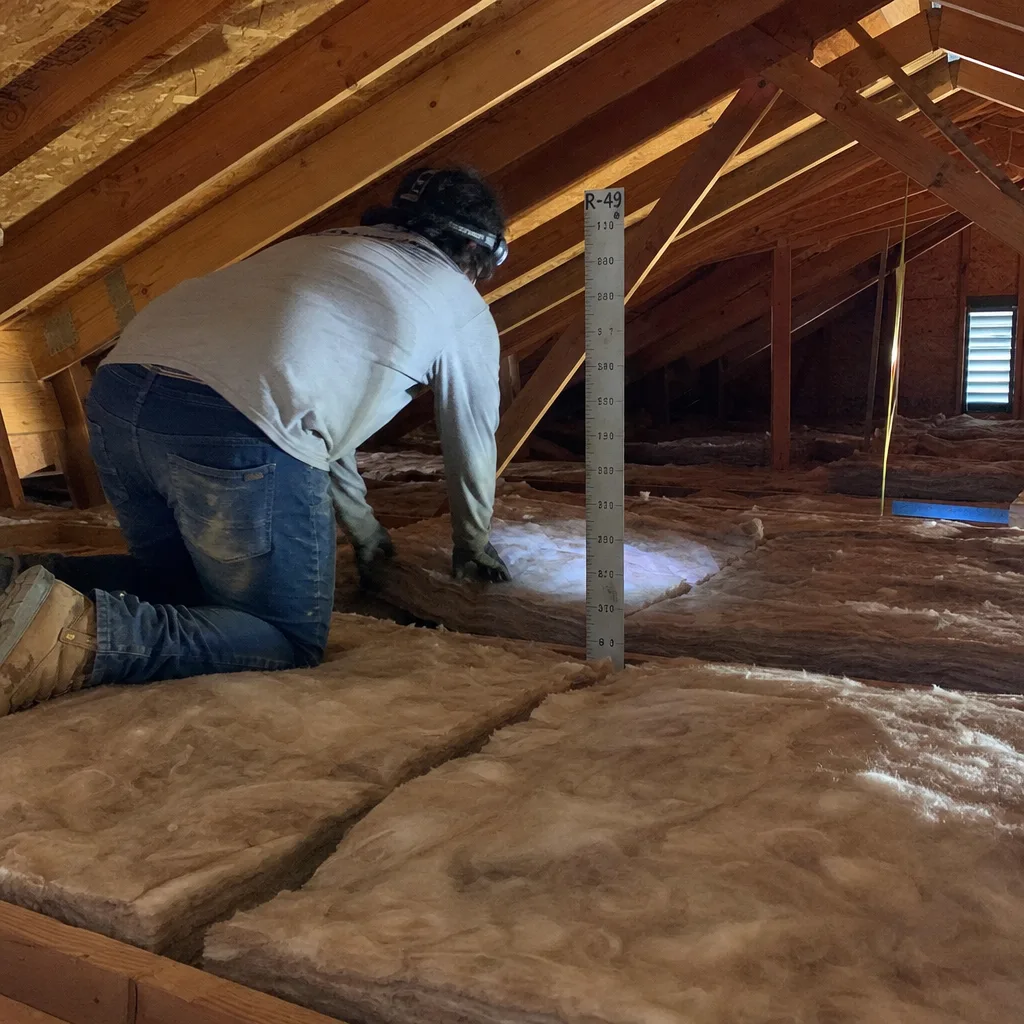
Every Monrovia estimate starts with a look at what’s in the attic now. We measure existing R-value, check for baffles, inspect for moisture staining on the roof deck, and note any wiring that limits where we can safely place material. Then we talk through your options in plain language. You’ll know exactly what we’re installing, why we chose it, and what it costs before we start.
The Foothill Difference
In the hillside neighborhoods above Foothill Boulevard, clearance is the wildcard. Some attics have 30 inches at the ridge and 6 inches at the eaves. Those tight spaces change everything about installation technique. We’ve learned to work around low-pitch roofs and cramped truss bays without compressing insulation or blocking the soffit vents that keep a foothill attic from cooking in August.
Trusted Brands We Service in Monrovia
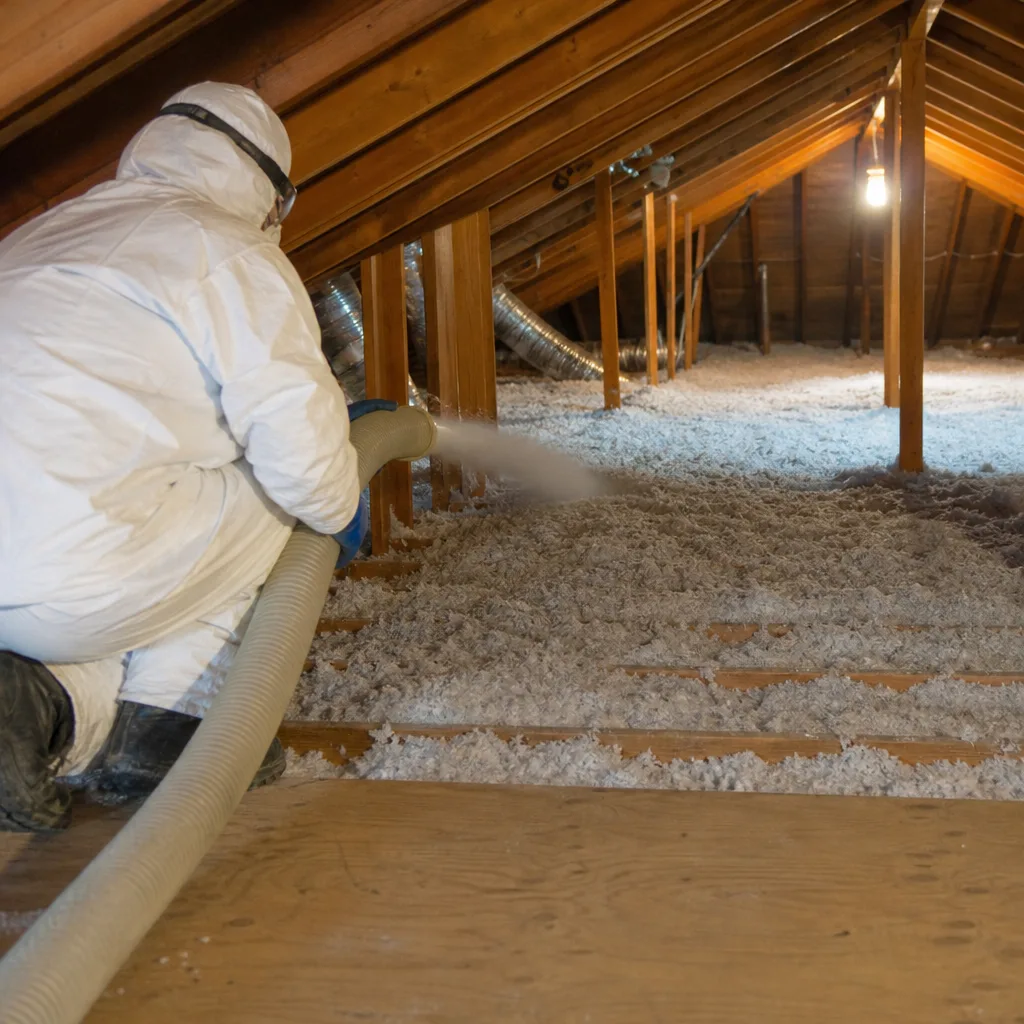
We stock and install Owens Corning and CertainTeed fiberglass systems, GreenFiber recycled cellulose, and Icynene and Demilec spray foam. That’s genuine material choice across every major insulation category. For a Monrovia homeowner, carrying both Icynene and Demilec matters, because it means we’re certified in open- and closed-cell spray foam applications, not treating spray foam as a side service. When you need Rockwool for a non-combustible attic floor or GreenFiber for recycled content, we bring it to Monrovia the same week it’s requested. Eight brands, one contractor, the right fit for your home. We service and install all of them, and we stock the common materials locally so Monrovia customers aren’t waiting on a special order from a warehouse across the county.
Common Attic Insulation Problems We See in Monrovia Homes
- Settled cellulose in hillside attics. Homes north of Foothill Boulevard often had cellulose blown in decades ago, and it’s now compacted to half its original depth. This drops R-value and blocks airflow at the eaves, which cooks the attic in summer and lets heat escape in winter.
- Knob-and-tube wiring complications. Pre-1950s Craftsman bungalows frequently still have active knob-and-tube circuits running through the attic. Insulation can’t touch those wires, so we route around them and use fire-rated caulk to seal air leaks near the penetrations.
- Missing or deteriorated radiant barriers. Monrovia’s summer sun pounds the roof deck, and most older homes have either no radiant barrier or one that has delaminated and torn. That’s a huge source of attic heat gain in July and August.
- Air leaks around single-pane windows and stucco. The insulation itself can be adequate, but if the home still has original single-pane windows and unsealed top plates, conditioned air leaks out constantly. We address the air sealing alongside the insulation so the whole system works.
Pricing for Attic Insulation in Monrovia, CA
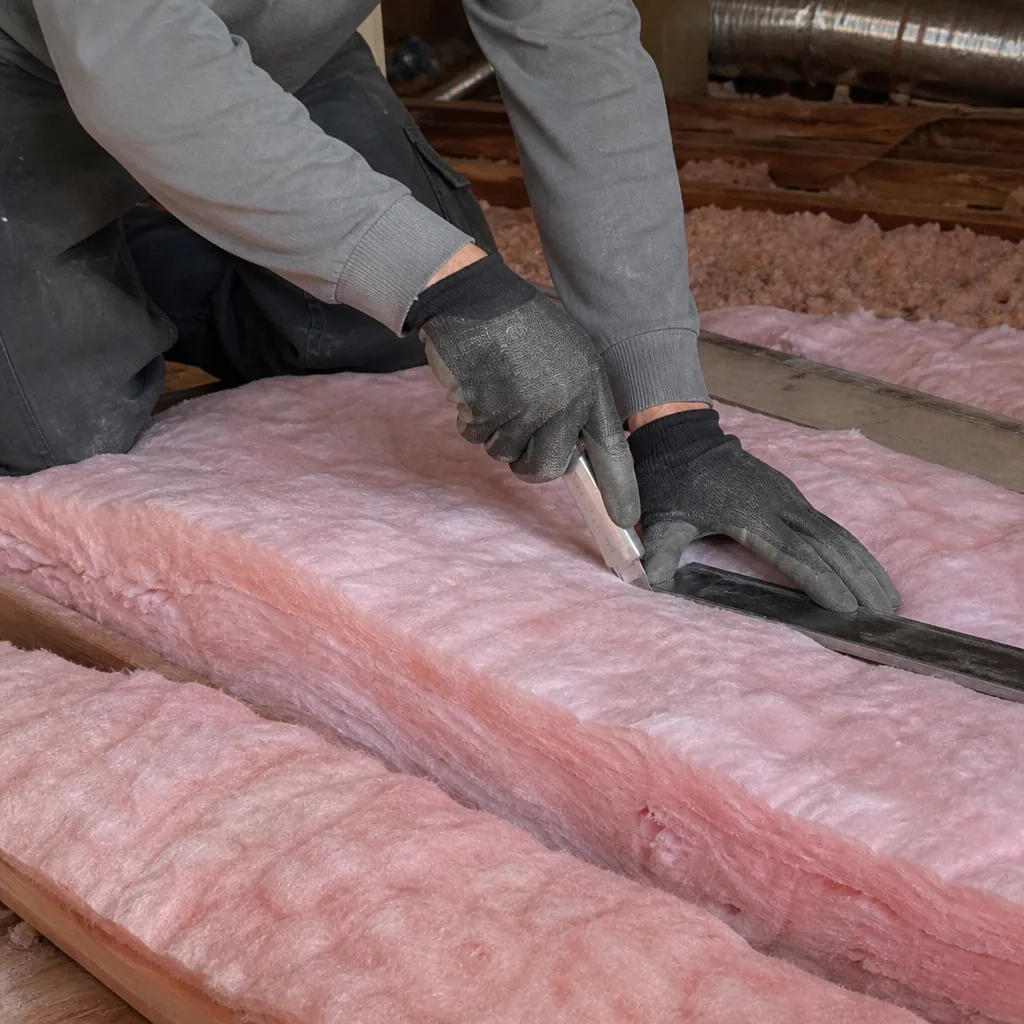
A typical attic insulation job in Monrovia runs $1,800 – $4,600 depending on home size, material, and whether old insulation needs removal first. Blown-in fiberglass lands at $2.00 – $3.50 per sq ft. Spray foam costs $3.50 – $7.00 per sq ft, with closed-cell on the higher end. Batt insulation comes in around $1.50 – $2.75 per sq ft. Removal and disposal adds $1.20 – $2.50 per sq ft when it’s needed. Homes up in the foothills sometimes run slightly higher because of limited access and the extra labor of working in tight clearance. Call (877) 265-5712 and Allen Decker will give you a line-item quote. Estimates are free, and you’ll know the exact number before any work begins.
We Also Serve Cities Near Monrovia
Our service area around Monrovia includes Mayflower Village, Duarte, Bradbury, and Arcadia. If you’re in a neighboring city and need Attic Insulation work done, we bring the same material options and same straight-talking assessment. And if you’re in Monrovia specifically, our Monrovia page covers everything local, from foothill clearance issues to knob-and-tube retrofits.
Serving Monrovia, CA — Our Local Coverage Area
We’re based in the Monrovia area and know this community well. Use the map below to see our service coverage — if you’re nearby, we can almost certainly help.
FAQs About Attic Insulation in Monrovia
Monrovia sits against the San Gabriel Mountains, not the Pacific, so summers run 10 – 15°F hotter than Santa Monica or Long Beach, and winter nights dip colder. That temperature swing, often 30°F or more in a single day, puts real strain on the attic assembly. Without proper insulation and radiant barrier, a Monrovia attic can hit 140°F in August, which forces your AC to work far harder than it should. Coastal homes don’t face that kind of extreme heat load. Call (877) 265-5712 to talk about what your specific roof faces.
Those attics usually have limited clearance, often under 24 inches at the ridge, so installers have to choose materials and methods carefully. Dense-pack cellulose or blown-in fiberglass usually works better than bulky batts in tight bays. Baffles become critical because the soffit vents are easy to block, and if they’re blocked, the attic stops breathing and moisture builds up. We’ve done enough work in those foothill homes to know what fits and what doesn’t.
Yes, but not by burying the wires. Insulation can’t come into direct contact with knob-and-tube conductors, so we route material around the wiring and use fire-rated caulk to seal any gaps where the wires penetrate the ceiling plane. This is common in Monrovia’s pre-1950s homes. It takes more precision and time than a standard install, but it’s absolutely doable, and we handle it regularly. Call (877) 265-5712 for an assessment if you’re unsure what’s in your attic.
The oldest homes in Monrovia are Craftsman bungalows from the 1920s and 1930s, and the second wave of housing came from post-WWII tract construction. Many of them have uninsulated or severely under-insulated attics, and a meaningful share still have knob-and-tube wiring. That matters because retrofit insulation has to account for wiring clearances, limited access, and the air sealing that older stucco and single-pane window homes need to actually hold conditioned air. A generic insulation approach fails on these homes.
For Monrovia’s hot summers and cool winters, we usually recommend blown-in fiberglass from Owens Corning or CertainTeed for most attics, and Icynene or Demilec spray foam when air sealing is as important as R-value, especially in foothill homes with irregular joist spacing. GreenFiber cellulose is a solid option for homeowners who want high recycled content. The right answer depends on your home’s wiring, roof geometry, and budget. Call (877) 265-5712 and we’ll give you a straight recommendation, not a sales pitch.
Contact North Tustin Insulation for Your Monrovia Attic
If your Monrovia attic needs insulation, removal, air sealing, or an honest second opinion, call (877) 265-5712. Allen Decker will walk you through your options and give you a free, itemized estimate. We serve all of Monrovia, including the foothill homes north of Foothill Boulevard and the neighborhoods in 91016 and 91017. No pressure, no guesswork, just a straight answer about what your attic actually needs.
Written by Allen Decker, Owner at North Tustin Insulation, serving Monrovia and the San Gabriel Valley foothills.