Fast, Reliable Attic Insulation Across San Joaquin Hills
Attic insulation in San Joaquin Hills typically runs $1,800 to $4,200 for a full upgrade, with smaller top-up jobs starting around $900. Most homes here need a specific combination of air-sealing and ventilation work before insulation goes in, because the marine layer and Santa Ana winds create problems other Orange County neighborhoods don’t see. We work across 92657 regularly, from the ridgeline custom homes to the canyon-rim streets, and we carry the right materials for this climate. Call (877) 265-5712 for a free estimate and we’ll take a look at what your attic actually needs.
Why North Tustin Insulation Is San Joaquin Hills’s Preferred Attic Insulation Company
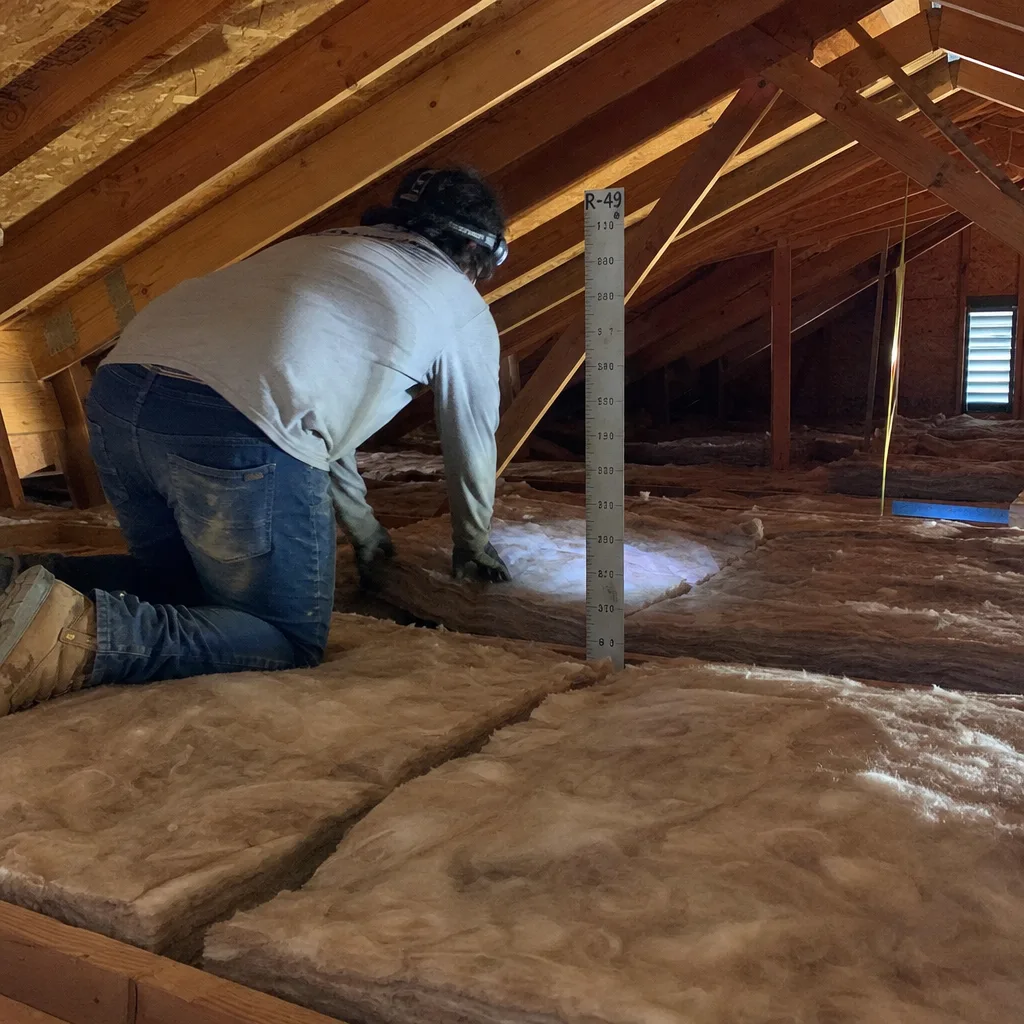
We’re an insulation-only contractor, which sounds obvious but matters more in San Joaquin Hills than almost anywhere else. The attic assembly here sits between cool marine air and intense afternoon sun, and the wrong material choice shows up fast as condensation, mold, or a summer cooling bill that never drops. Our technicians know the difference between an east-facing tract home off Newport Coast Drive and a canyon-rim custom build that vents directly into fog, and we spec insulation accordingly. Allen Decker leads our team, and every estimate comes from someone who has walked attics on these streets, not a generalist checking a box between roofing and HVAC jobs.
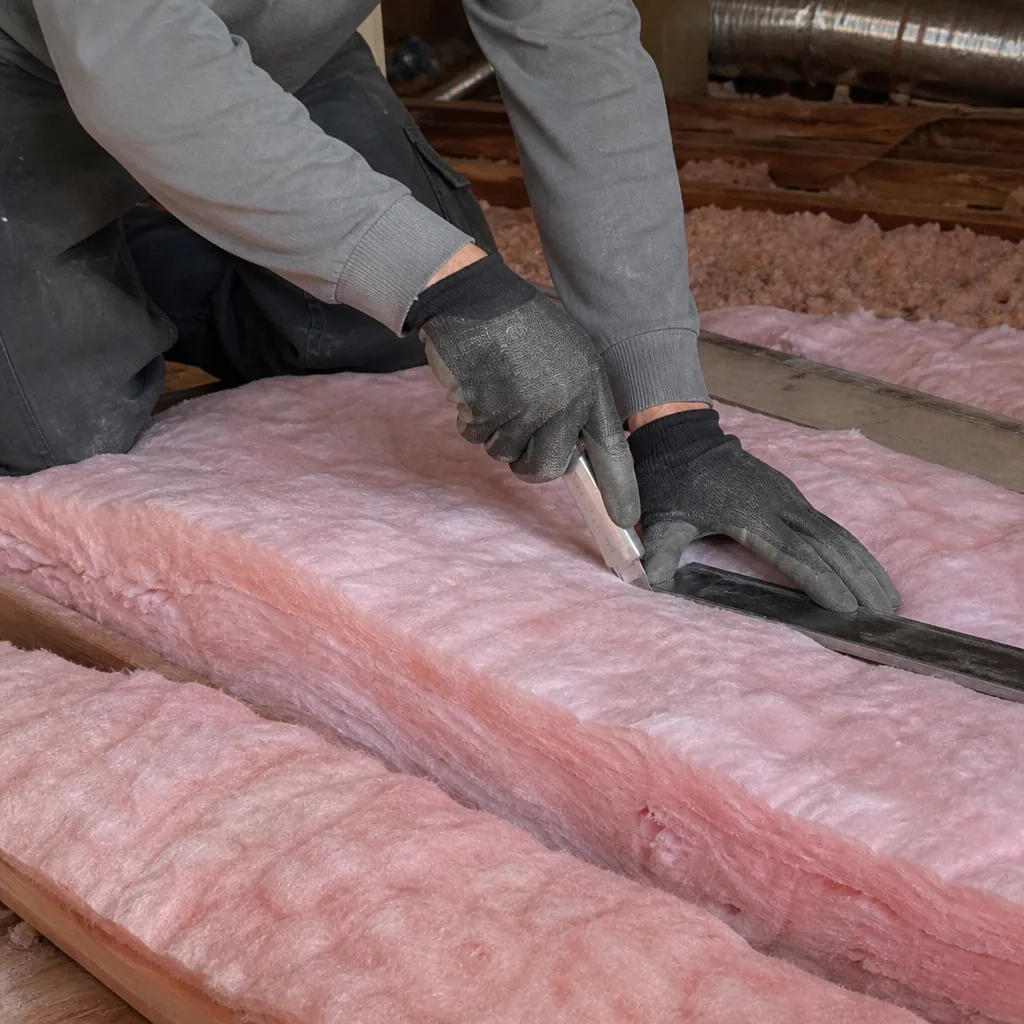
Because we’re Attic Insulation specialists, we carry eight brands across fiberglass, mineral wool, cellulose, and spray foam. That means when we recommend Owens Corning batts for one home and Demilec closed-cell foam for another, it’s based on what the house needs, not what’s on the truck. Homeowners in San Joaquin Hills tell us they appreciate hearing a straight recommendation with a reason behind it.
Attic Ventilation in San Joaquin Hills
Attic Ventilation in San Joaquin Hills is about managing the marine layer, not just moving hot air. When cool, moisture-heavy air pulls into an attic through ridge vents or gable vents and sits against the underside of a clay tile roof, it condenses. We see it every week on canyon-rim streets: batts soaked through, roof decking rusted, sometimes mold already started. A proper ventilation job here means baffles that channel outside air across the roof deck without letting it saturate the insulation, paired with the right insulation type for the assembly. For a typical San Joaquin Hills attic, ventilation and baffle work runs $400 to $1,100 depending on square footage and how many bays need correction.
Marine-Layer Condensation Repair
The first sign is usually a water stain on the ceiling or a musty smell in the hallway near the attic hatch. What’s happening is simple: moist air enters, condenses, soaks the batting, and never dries out because the fog returns every night from June through September. We remove the failed material, treat the decking if needed, and rebuild the assembly so it handles the moisture cycle instead of absorbing it.
Tile-Roof Baffle Installation
Clay tile roofs hold heat and moisture differently than asphalt shingles. Without baffles, blown insulation can block soffit vents and trap humid air against the decking, which is exactly what a tile roof doesn’t need in San Joaquin Hills. We install baffles at every bay, check that the soffit intake is actually open, and verify airflow before any new insulation goes down.
Radiant Barrier in San Joaquin Hills
Radiant Barrier in San Joaquin Hills targets the real pain point here: afternoon solar heat gain through west-facing glass and cathedral-ceilinged rooms that bake after 2 p.m. A radiant barrier stapled to the underside of the roof deck reflects radiant heat before it reaches attic insulation and living spaces below. For homes on the ridgelines with no shade and big glass, it’s often the highest-impact change we make. Expect to pay $1,500 to $3,000 for radiant barrier installation in a typical 2,000 to 3,000-square-foot San Joaquin Hills home, depending on roof configuration and access.
West-Facing Heat-Gain Reduction
Rooms on the west side of a San Joaquin Hills house can run 8 to 10 degrees warmer than the east side in summer. Radiant barrier won’t fix bad windows, but it cuts the attic temperature spike that radiates through the ceiling all evening. Combined with proper attic insulation, most homeowners feel the difference within a week.
Cathedral-Ceiling Retrofit Prep
Homes with vaulted or cathedral ceilings often have very little attic space to work with, and a radiant barrier becomes even more important because there’s no deep insulation cavity to absorb heat. We assess whether the roof deck is accessible from the attic before recommending this route, and on many San Joaquin Hills custom builds, it’s the only practical way to address ceiling-plane heat gain.
Trusted Brands We Service in San Joaquin Hills
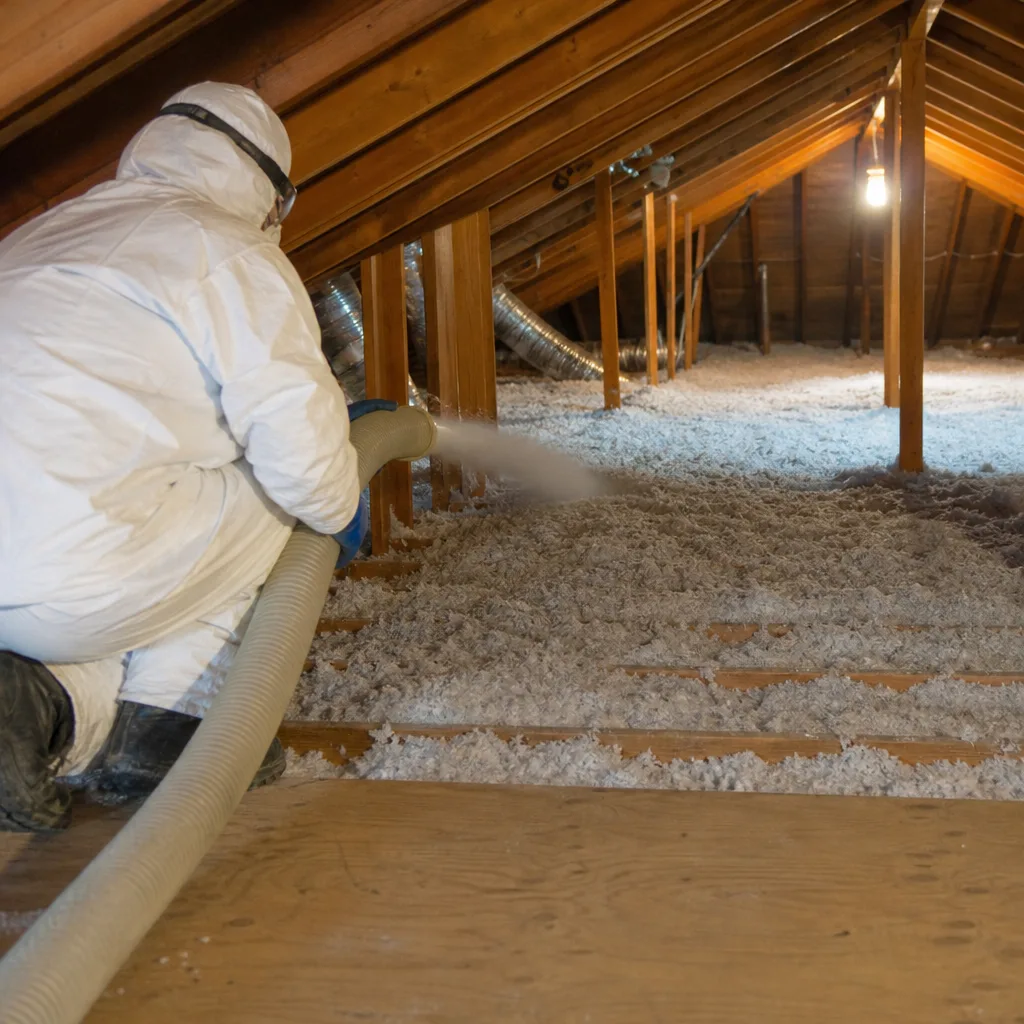
We install Owens Corning and Demilec regularly in San Joaquin Hills because they solve the two big problems here: consistent thermal performance and moisture resistance in a marine-layer climate. GreenFiber cellulose is a standard option for homeowners who want recycled content with good air-sealing properties. Every project gets a brand-specific recommendation, and because we stock these materials for our Orange County work, scheduling for 92657 homes doesn’t lag while parts get ordered. If you already know what you want, we’ll quote it straight. If you don’t, we’ll show you the trade-offs without making it a sales pitch.
Common Attic Insulation Problems We See in San Joaquin Hills Homes
- Condensation-soaked batts and rusted roof decking. On canyon-rim streets, attic vents pull in cool, moist marine air that condenses on the underside of tile roofing. The batts wick up that moisture, lose their R-value, and the decking rusts underneath.
- Heat gain through west-facing glass and cathedral ceilings. Many San Joaquin Hills homes were built to showcase canyon and ocean views, which means large glass and open ceilings. When attic air-sealing was skipped, that afternoon heat moves right into living space.
- Can lights and open framing penetrating the ceiling plane. Recessed lights are essentially holes in your thermal envelope. Before we blow in insulation, those penetrations need to be sealed, or the new insulation performs at a fraction of its rating.
- Blown insulation blocking soffit vents. Older blow-in work often covered the intake side of the ventilation system, trapping humid air against the decking. In a marine-layer climate, that’s a mold invitation, not a minor issue.
On a canyon-rim street in San Joaquin Hills, we opened an attic to find the existing batt insulation soaked and the roof decking rusted from years of marine air venting directly into the space. We removed the failed batts, treated the decking, and installed closed-cell foam with baffled ventilation to seal the assembly. The homeowner reported the attic stayed dry through the next marine layer cycle and their summer cooling costs dropped noticeably.
Pricing for Attic Insulation in San Joaquin Hills, CA
Attic insulation in San Joaquin Hills runs $1,800 to $4,200 for a full replacement, with top-ups and targeted repairs falling between $900 and $1,600 depending on what’s already in the assembly. Ventilation and baffle work adds $400 to $1,100, and a radiant barrier job typically lands between $1,500 and $3,000. The two biggest cost drivers here are tile-roof access and the amount of air-sealing needed before insulation goes in, which is why homes near the canyon rim often run higher than tract homes off Newport Coast Drive. We give an itemized estimate before any work starts. Call (877) 265-5712 to schedule a free attic inspection in San Joaquin Hills.
We Also Serve Cities Near San Joaquin Hills
Our crews work throughout the Newport Coast corridor and nearby inland neighborhoods. You’ll find us in Aliso Viejo, Newport Beach, Laguna Beach, and Irvine, handling the same attic insulation, ventilation, and radiant barrier work. If you’re in one of those cities, give us a call and we’ll have a technician out to you the same way we cover San Joaquin Hills.
Serving San Joaquin Hills, CA — Our Local Coverage Area
We’re based in the San Joaquin Hills area and know this community well. Use the map below to see our service coverage — if you’re nearby, we can almost certainly help.
FAQs About Attic Insulation in San Joaquin Hills
Because canyon-rim attics vent directly into the cool, moist marine air that sits against the ridge, and that moisture condenses inside the assembly when it hits the underside of a tile roof. The insulation acts like a sponge, loses its R-value, and holds water against the decking. The fix is either properly baffled ventilation that keeps airflow moving without saturating the insulation, or closed-cell foam that seals the assembly entirely. Call (877) 265-5712 and we’ll tell you which route fits your specific attic.
The marine layer means your attic never fully dries out from June through September. Fiberglass batts lose R-value when damp, cellulose settles and compresses, and any metal fasteners or decking start to corrode. Choosing an insulation that handles moisture, like closed-cell spray foam, is often the difference between an attic that lasts 20 years and one that needs work in five.
Every can light penetration should be air-sealed with a proper-rated cover or foam, and any wiring or plumbing penetrations need sealing too. Otherwise the new blown insulation sits around leaks that let conditioned air escape and hot air invade. We inspect the entire ceiling plane before we blow anything in, and we’ll quote the air-sealing as part of the job so you know what you’re paying for upfront.
Santa Ana winds pull dry air across the roof and can strip heat from the attic at night, especially on canyon-edge homes with exposure. That’s the opposite problem from the marine layer, and it’s why a single insulation strategy doesn’t work here. The right assembly slows heat loss when the Santa Anas blow, but also handles condensation when the fog returns.
Owens Corning fiberglass is a proven performer in vented attic assemblies where moisture is managed correctly, and Rockwool mineral wool is non-combustible and hydrophobic, meaning it won’t absorb water from condensation the way fiberglass will. We stock both, and we’ll explain which one suits your attic based on how it’s vented and what’s already in place. Call (877) 265-5712 for a straight answer and a free estimate.
Written by Allen Decker, Owner at North Tustin Insulation, serving San Joaquin Hills and surrounding communities.