
Fast, Reliable Attic Insulation Across Sun City
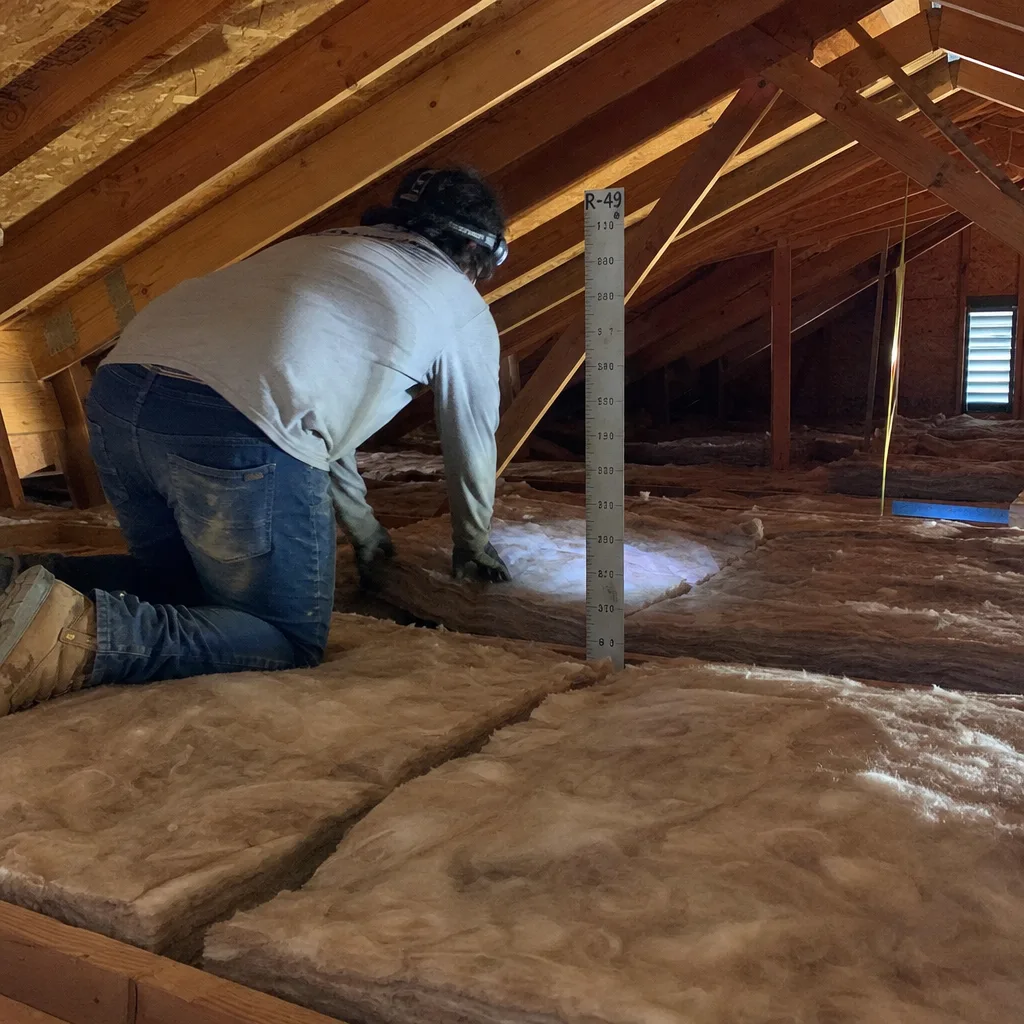
Attic insulation in Sun City isn’t a luxury upgrade. It’s the difference between a 130°F attic baking your living room and a home that holds cool air through a Riverside County summer. Most Sun City homes were built between 1961 and 1975 with original fiberglass batts that are now compressed, dust-choked, and performing near R-7. We replace that with properly air-sealed, ventilated insulation systems matched to your home’s actual thermal needs. If you’re tired of rooms that never cool down and electric bills that climb every July, call us at (877) 265-5712 for a free attic assessment.
Why North Tustin Insulation Is Sun City’s Preferred Attic Insulation Company
We work in Sun City weekly. Our crews know the 92585 and 92586 blocks, the original stucco ranch layouts off McCall Boulevard, and the shallow-pitch roofs that make attic access tight. That familiarity matters more in Sun City than in newer developments, because these homes have real quirks. Original soffit vents are undersized. Attic hatches sit directly over hallways with zero weatherstripping. Access scuttles are narrow, and many are buried under 50 years of accumulated storage.
When we show up, we’re not figuring out your house on the fly. We know what a 1963 tract home in the 92586 ZIP looks like above the ceiling before we open the hatch. That’s why Sun City homeowners call us when they want someone who’s already seen their specific set of problems. Allen Decker built North Tustin Insulation around one trade and one trade only: insulation. Every estimate, every attic we crawl, every conversation is about thermal performance. No roofing upsells, no HVAC pitch, no general-contractor vagueness.
We carry eight nationally recognized brands, including Owens Corning, Icynene, Demilec, and GreenFiber. That means the recommendation you get is based on your attic’s conditions, not on whatever material happens to be sitting in our warehouse. We match the material to your home, not the other way around.
Attic Ventilation in Sun City
Attic Ventilation in Sun City is the single most overlooked step in re-insulating these 1960s tract homes. The original vents were sized for a different climate and a different building code. Today’s standards call for roughly one square foot of net-free vent area per 150 square feet of attic floor, and many Sun City homes have half that. When you add R-38 insulation on top of an attic that can’t breathe, you trap heat and moisture. That shortens insulation life, promotes condensation in winter, and keeps your cooling bill higher than it should be.
Why Ventilation Comes First
We’ve seen the failure pattern too many times to ignore it. Homeowner pays for new insulation. Attic gets hotter because now the heat can’t escape through the ceiling. Six months later, the insulation is damp and settling. On a 1963 ranch in the 92586 ZIP, we found original R-7 fiberglass batts compressed to less than an inch and soffit vents choked with 50 years of dust and paint overspray. After clearing and enlarging the vents to modern net-free area, we air-sealed the top plates and blew in Owens Corning Fiberglas to R-38. The homeowner’s summer cooling bill dropped noticeably, and the attic no longer hit 130°F by mid-afternoon.
What a Ventilation Upgrade Involves
We clear every existing soffit, gable, or roof vent. Then we measure net-free area against the attic’s square footage and add ventilation where needed. That might mean new soffit vents, a ridge vent, or enlarging gable openings. In Sun City attics, the work is done before insulation goes in. The result is an attic that moves air, stays closer to ambient temperature, and protects whatever insulation you’re paying for. Typical attic ventilation upgrades in Sun City run $450 to $1,200 depending on how many vents need to be cleared or added.
Radiant Barrier in Sun City
Radiant Barrier in Sun City works differently here than it does in coastal cities. Inland Riverside County gets brutal radiant heat from the sun beating on roof decks for hours. A radiant barrier stapled to the underside of roof rafters reflects that heat back out instead of letting it radiate down into the insulation and living space. For a Sun City homeowner with an exposed roof deck and an attic that hits 120°F by late morning, a radiant barrier can cut attic temperatures by 10 to 15 degrees. That’s a real comfort and cooling-cost difference in a climate like this.
Combining Radiant Barrier with Insulation
The right sequence is ventilation first, then radiant barrier on the roof deck, then insulation on the attic floor. Radiant barrier doesn’t replace insulation; it reduces the heat load that insulation has to resist. In a shallow-pitch Sun City attic, we typically install reflective foil over the rafters and then blow fiberglass or cellulose to R-38 below. This combination is especially effective on the west-facing sides of homes off Sherman Road and the newer streets in the 92587 ZIP, where afternoon sun exposure is relentless.
Radiant Barrier Pricing in Sun City
Radiant barrier installation for a typical single-story Sun City ranch attic runs $1,800 to $3,400, depending on attic size and access difficulty. Attics with truss framing and lots of angles cost more than open rafter spaces. Call (877) 265-5712 and we’ll give you a firm quote based on your attic’s actual dimensions.
Trusted Brands We Service in Sun City
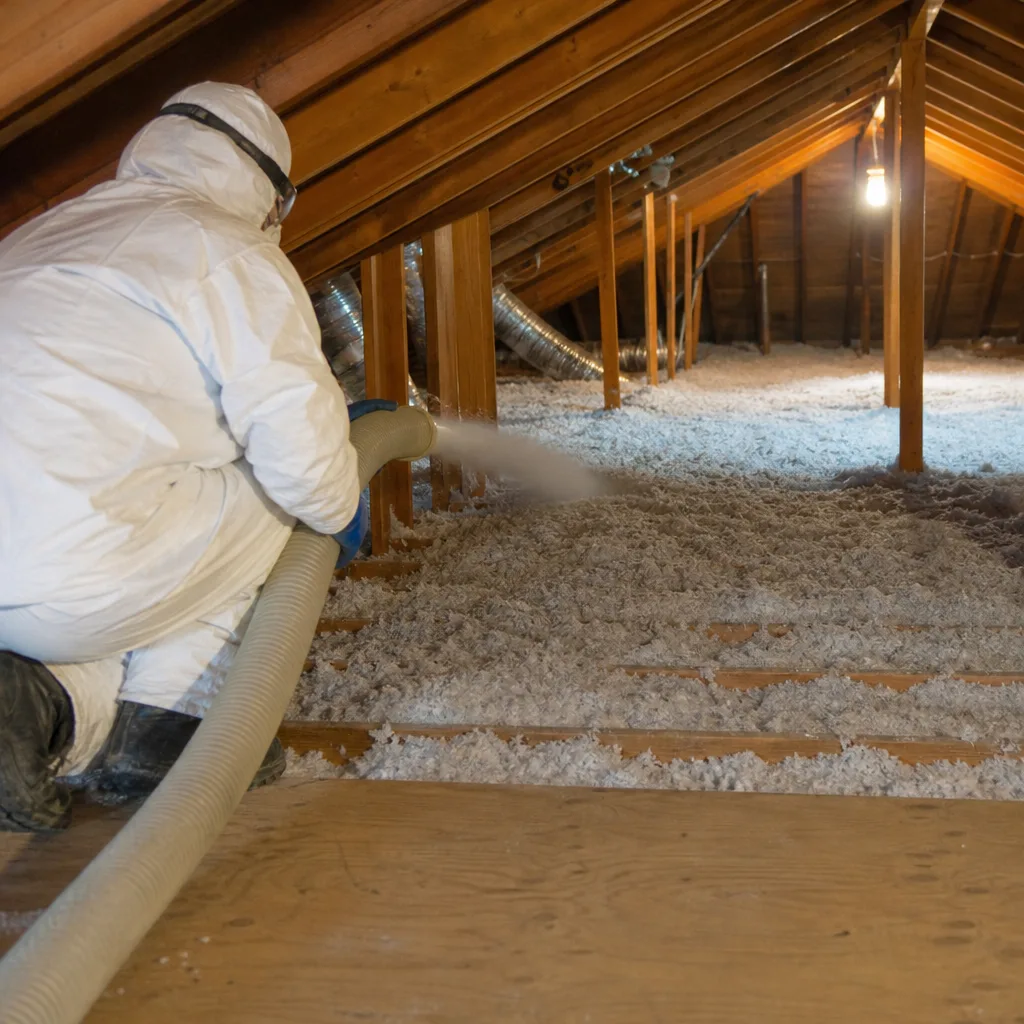
We’re not married to one brand or one method. North Tustin Insulation carries Owens Corning and CertainTeed fiberglass, Rockwool mineral wool, GreenFiber recycled cellulose, and both Icynene and Demilec spray foam. That’s real product choice, not a marketing line. For most Sun City retrofit work, we lean on GreenFiber cellulose and Owens Corning blown fiberglass because they perform well in shallow attics and install cleanly over existing framing. For homeowners who want spray foam’s air-sealing capability, we install both open-cell and closed-cell Icynene and Demilec systems. The material decision follows the attic’s condition and your budget, not the other way around.
Common Attic Insulation Problems We See in Sun City Homes
- Compressed, settled original batts. Fifty years of attic heat cycles flatten fiberglass batts until they’re doing the thermal work of a thin blanket. We regularly measure effective R-values under R-7 in attics that were originally “insulated to code.”
- Undersized soffit and gable vents. The 1960s blocks built around the original Sun City development spec’d venting that’s half of today’s minimum. Add insulation without fixing the airflow and you create a heat-and-moisture trap.
- Uninsulated attic hatches and pull-down stairs. The hatch door and stair frame are often the only uninsulated surfaces in the entire ceiling plane. In a Sun City summer, that’s a direct 120°F heat chimney aimed at your hallway.
- No air sealing at top plates and penetrations. Warm air leaks through the gap where interior walls meet the ceiling, carrying dust and heat into the attic. In Sun City’s stucco-over-wood-frame construction, those gaps are wider than on newer homes because of decades of framing movement.
Pricing for Attic Insulation in Sun City, CA
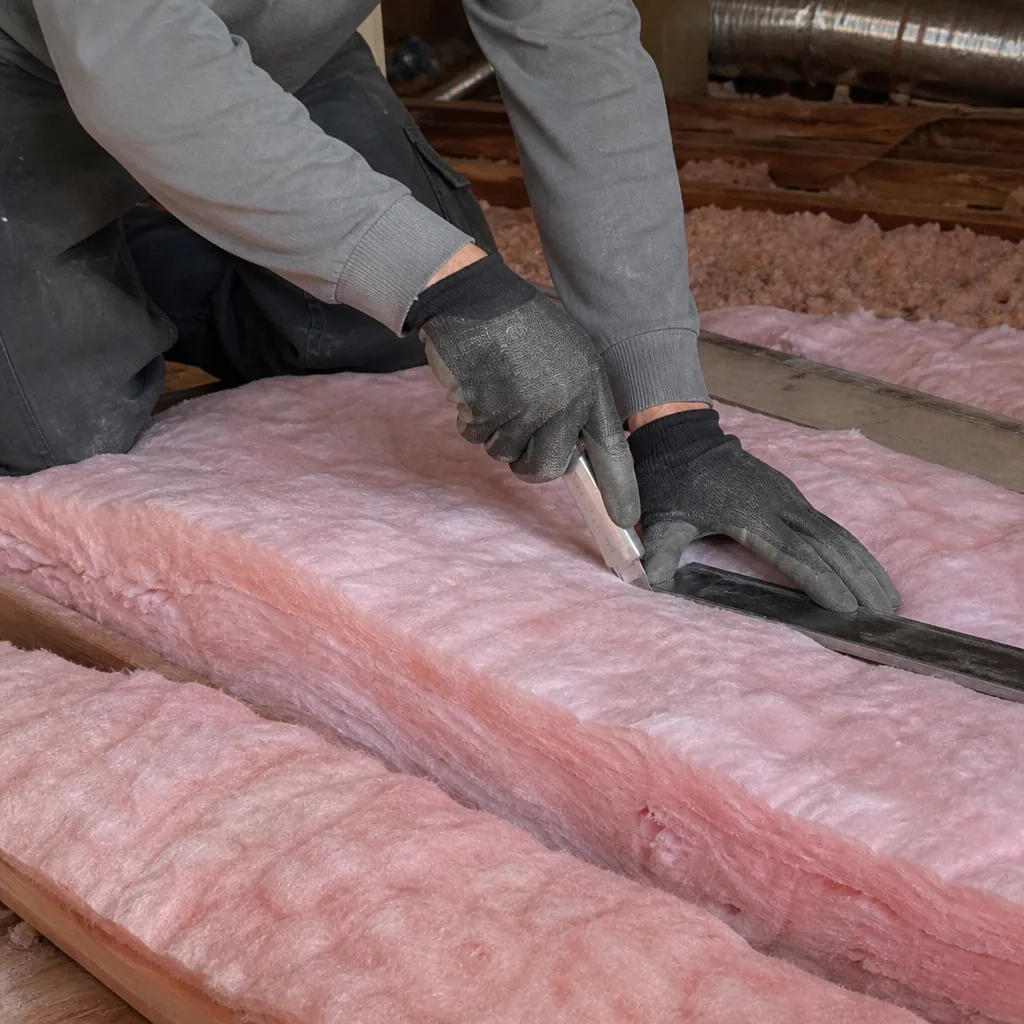
A complete attic insulation replacement for a standard Sun City single-story ranch runs $1,600 to $3,200, including removal of old batts, air sealing at top plates and penetrations, and new blown insulation to R-38. If your attic needs ventilation upgrades first, add $450 to $1,200. Radiant barrier runs another $1,800 to $3,400. Smaller jobs cost less: an attic top-up to bring existing insulation from R-19 to R-38 typically runs $900 to $1,500 in Sun City, and attic hatch insulation with weatherstripping is $150 to $400. Every quote is free and based on your attic’s square footage and current condition. Call (877) 265-5712 and we’ll measure it.
We Also Serve Cities Near Sun City
Our insulation crews cover the full Menifee Valley and surrounding Inland Empire communities. In addition to our Attic Insulation work across Sun City, we regularly serve Quail Valley, Romoland, Good Hope, and Perris. If you’re in one of those areas and dealing with an overheated attic or failing original insulation, call (877) 265-5712 and we’ll schedule an assessment. We know the housing stock across this whole corridor, and the same 1960s-era construction patterns show up in all of them.
Serving Sun City, CA — Our Local Coverage Area
We’re based in the Sun City area and know this community well. Use the map below to see our service coverage — if you’re nearby, we can almost certainly help.
FAQs About Attic Insulation in Sun City
Because it’s been cycling through 120°F attic temperatures every summer for five or six decades. Fiberglass batts from that era were typically installed at R-11 or less, and heat exposure causes the binding resins to break down. Batts compress, settle, and lose loft. Dust and rodent activity make it worse. Most original Sun City attics we inspect are performing at R-7 or below, which is functionally uninsulated by modern standards. Replacing it with R-38 blown insulation typically cuts cooling costs 20 to 30 percent. Call (877) 265-5712 for an attic R-value check and exact quote.
Yes, in most 1960s Sun City homes you do. The original soffit and gable vents on these blocks were undersized for today’s ventilation requirements, and adding insulation without fixing airflow traps heat and moisture in the attic. We inspect net-free vent area before any re-insulation job and clear or enlarge vents as needed. It’s a $450 to $1,200 step that protects the insulation you’re about to pay for. Call (877) 265-5712 for a free ventilation assessment.
For Sun City’s Inland Empire climate, R-38 is the target for blown fiberglass or cellulose in a vented attic. That’s roughly 10 to 14 inches of material depending on the product. If you have a closed-cell spray foam application on the roofline, R-20 to R-30 is acceptable because the foam also air-seals. Original Sun City attics are usually at R-7 or lower, so the jump to R-38 makes a dramatic difference in summer comfort and cooling cost. Call (877) 265-5712 and we’ll measure your current R-value during a free assessment.
Yes. Most Sun City ranches have shallow-pitch roofs with limited attic clearance, especially near the eaves. We work in those spaces daily. Blown-in fiberglass and cellulose are the practical choices for shallow Sun City attics because they fill irregular framing cavities and get into tight eave spaces better than batts. Radiant barrier work on low-clearance roof decks requires careful handling but we do it routinely on these homes. Call (877) 265-5712 and we’ll tell you what’s workable in your attic.
A radiant barrier reflects radiant heat from the sun back out before it can radiate down into your insulation and living space. In Sun City’s inland summer climate, where roof decks soak up heat for hours and attic temperatures routinely pass 120°F, a radiant barrier can lower attic temperatures by 10 to 15 degrees. That reduces the thermal load on your insulation, makes your air conditioner work less, and extends the life of whatever insulation sits on the attic floor. Radiant barrier installation for a typical Sun City ranch runs $1,800 to $3,400. Call (877) 265-5712 for a free attic inspection and exact quote.
If your Sun City attic is still running original 1960s insulation, you’re paying for it every summer. Call North Tustin Insulation at (877) 265-5712 and Allen Decker’s team will assess your attic, tell you exactly what it needs, and give you a free written quote. No pressure. No vague estimates. Just straight answers about your home.
Written by Allen Decker, Owner at North Tustin Insulation, serving Sun City and the Menifee Valley with attic insulation, ventilation, and radiant barrier work.