
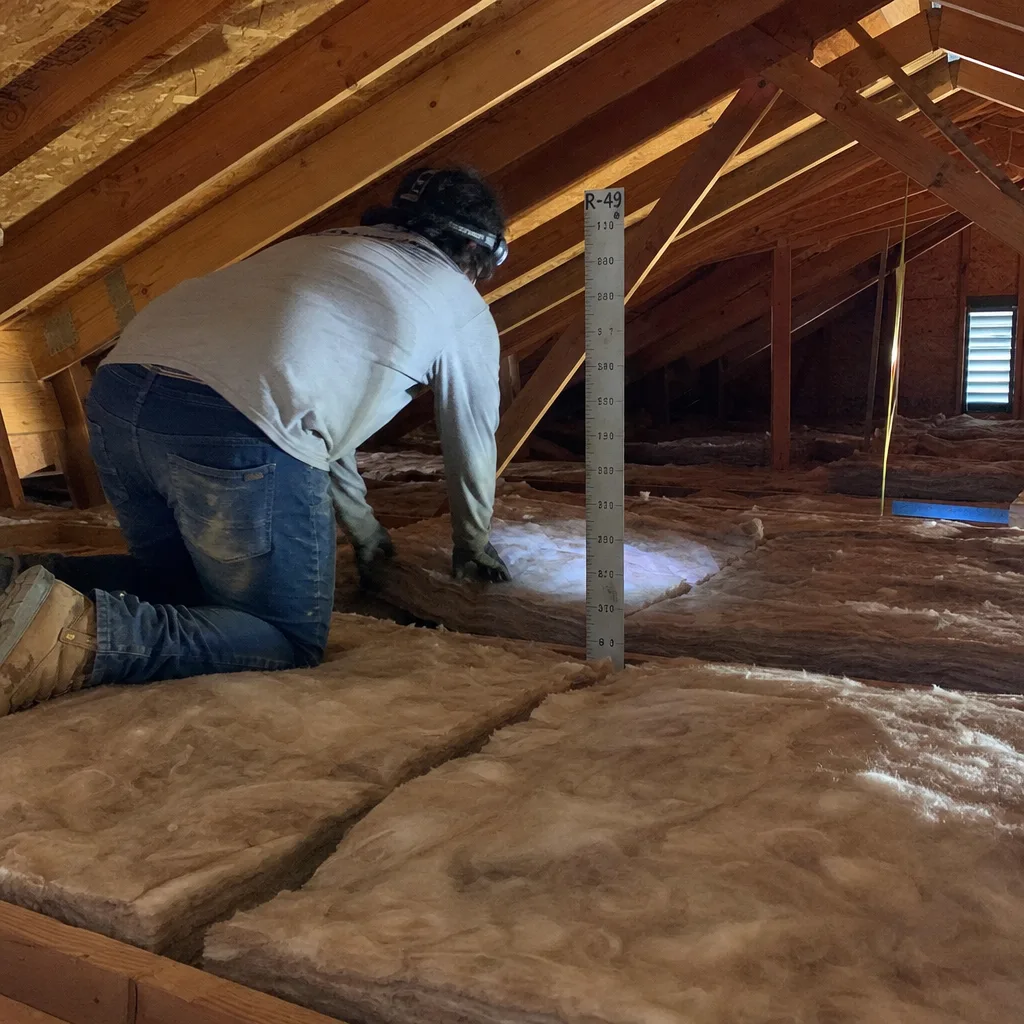
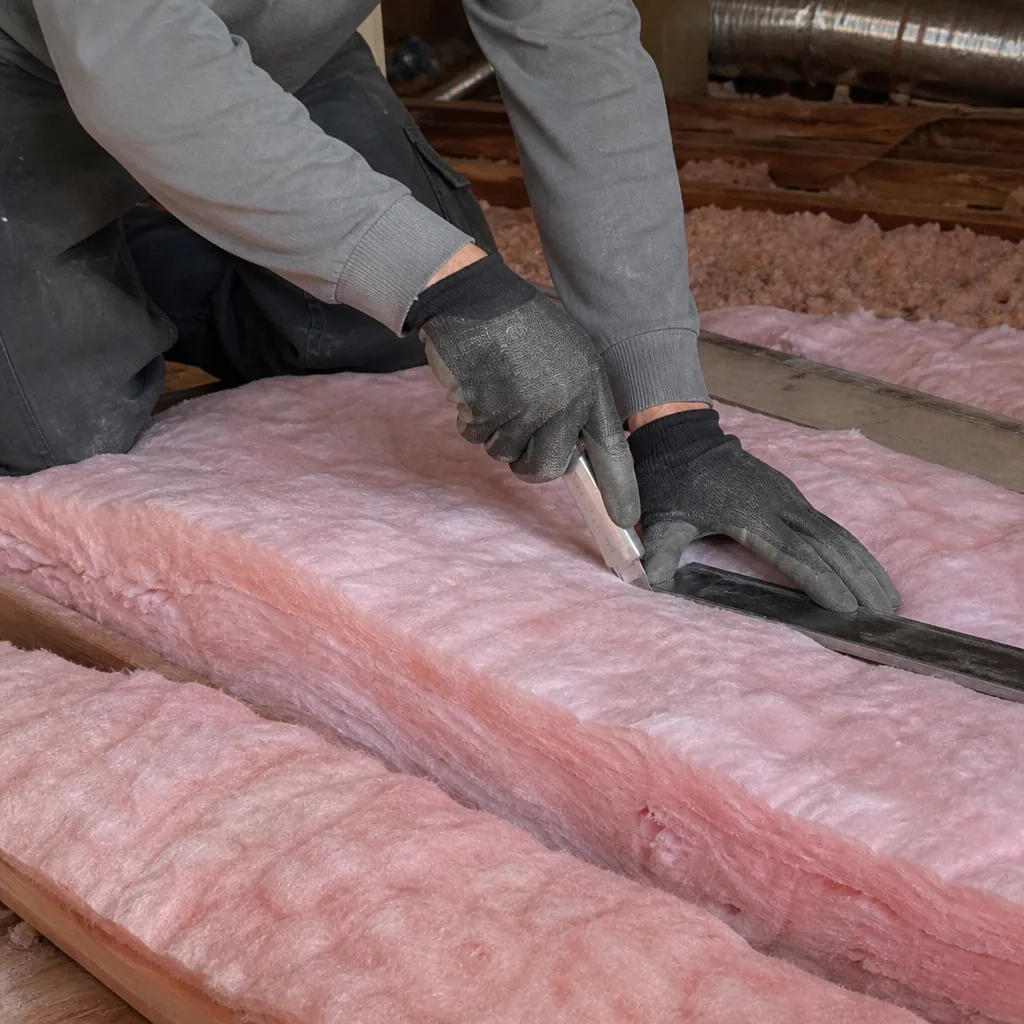
Fast, Reliable Attic Insulation Across Venice
Attic insulation in Venice runs roughly $1,800 to $4,600 for a typical bungalow retrofit, with the final number driven by what’s already up there and whether the old material has to come out first. If you’re dealing with a 1920s-to-1950s beach bungalow near the canals or off Abbot Kinney, the work almost always starts with moisture and corrosion assessment, not just adding fluff. Our crew knows Venice’s housing stock well: narrow lots, low-slope beach roofs, and marine-layer damp that ruins insulation in ways you won’t see in Culver City or inland LA. Call (877) 265-5712 for a free estimate, and we’ll send a tech who actually understands what’s happening inside your attic.
Why North Tustin Insulation Is Venice’s Preferred Attic Insulation Company
We’re an insulation-only contractor led by Allen Decker, and that focus matters in a place like Venice, where the wrong material recommendation turns into mold and rot within a couple of seasons. Our Attic Insulation team carries eight nationally recognized brands across fiberglass, mineral wool, cellulose, and spray foam, so the recommendation is driven by what your beach bungalow actually needs, not by whatever product happens to be on the truck. Rockwool batts for a damp unvented roof cavity. GreenFiber cellulose for a wall retrofit on a tight narrow lot. Open-cell spray foam when you need air sealing in a crawlspace that breathes salt air. We match the material to your home, not the other way around.
Venice homeowners call us because they’re tired of guessing. They’ve lived with upstairs rooms that cook during Santa Ana heat events and chill out again when the marine layer rolls through, and they want one contractor who can explain exactly why. Our techs work in the 90291 and 90294 ZIP codes every week, and they know the difference between a Silver Strand bungalow and a mid-century courtyard apartment off Lincoln Boulevard. Eight brands. One contractor. The right fit for your home.
Attic Mold Removal in Venice
Attic mold removal in Venice is usually needed when old batt insulation has been sitting in the marine-layer damp for years, and it typically runs $900 to $2,400 depending on how far the mold has spread and whether the insulation itself has to come out. The first sentence of any honest conversation about mold here is that you can’t just spray the surface and walk away. The mold is growing because moisture is trapped in the cavity, and until you fix the venting or the air-sealing problem, it comes right back.
Why Mold Takes Hold in Venice Attics
Venice’s cool, damp air off the Pacific keeps attic cavities humid for long stretches of the year, especially in the older bungalows with minimal venting and low-slope roofs. When warm interior air leaks into that cool attic, it condenses on the underside of the sheathing, and a perfect mold environment forms. The mold doesn’t care whether your insulation is fiberglass or cellulose, wet material grows mold, period.
Removal Plus Treatment
For a 1930s-to-1950s home off Pacific Avenue, we start by pulling the damaged insulation, treating the affected framing, and then diagnosing the moisture path so the problem doesn’t return in two years. Rockwool batts are often the right replacement in Venice because they’re non-combustible and they shed moisture rather than holding it. That matters in a beach-town attic.
Attic Insulation Removal in Venice
Attic insulation removal in Venice typically costs $1,100 to $2,700 for a full job on a small bungalow, and salt-air corrosion is one of the biggest reasons homeowners here need it. Old foil-faced batts degrade badly in the marine environment: the fasteners rust, the foil facing delaminates, and the material slumps into a mat that traps moisture against the drywall below. If you’re lifting a section and the batts look like wet newspaper, removal is the only real option.
Signs You Need Removal, Not a Top-Up
You need removal when the existing insulation is holding damp, when you can see mold, or when it has collapsed so badly that the R-value is gone. Adding new insulation on top of wet, moldy batts just seals the problem in. For a Venice bungalow with a poorly vented beach roof, removing the old material is also how we access the cavity to fix venting issues before re-insulating.
What Happens During Removal
We pull the old insulation, bag it, treat any mold, and prep the cavity for new material. If salt-air corrosion has eaten through the fasteners on old foil facings, we’ll point it out. That corrosion tells you the existing system failed in more ways than one, and putting new fluff in the same unventilated cavity would waste your money.
Trusted Brands We Service in Venice
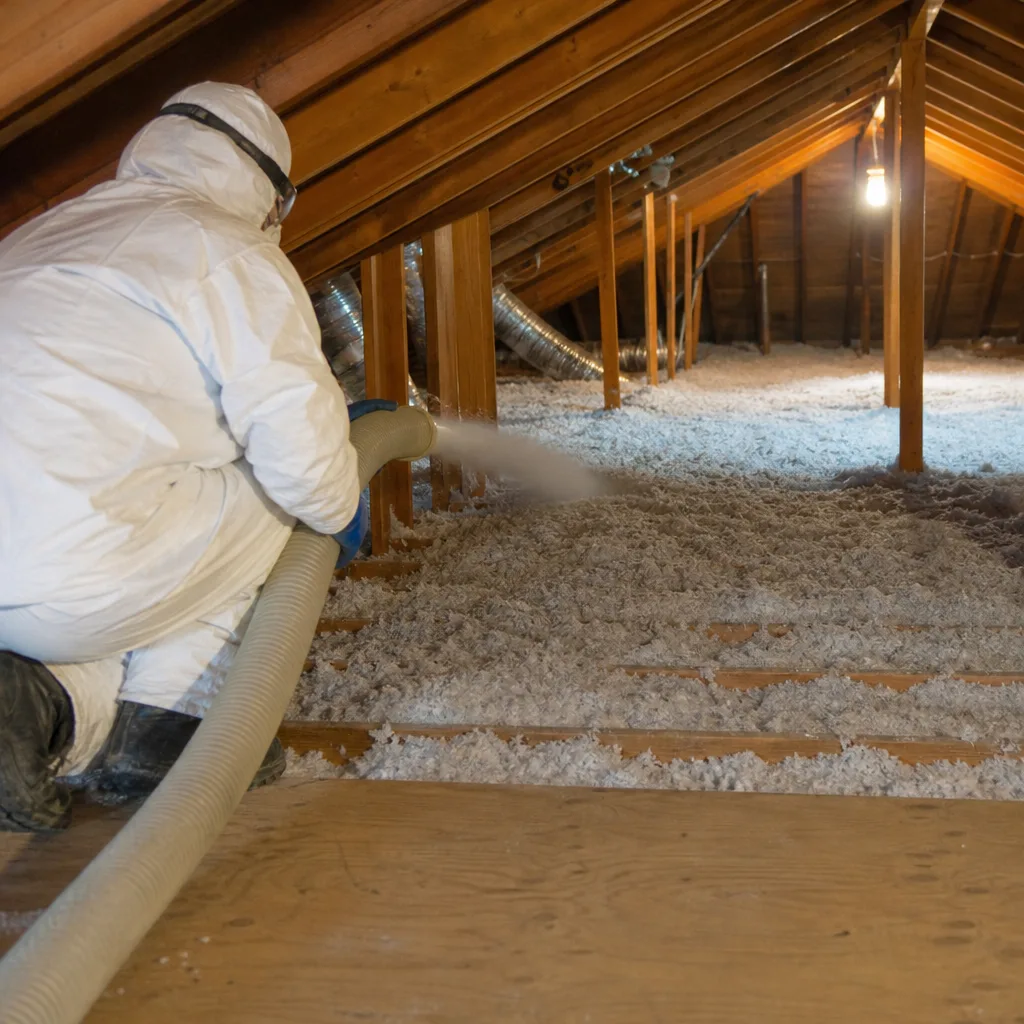
We carry eight industry-name insulation brands across every major category, and Venice homeowners benefit from that range because beach conditions demand specific material choices. CertainTeed fiberglass for a standard attic top-up. Icynene or Demilec spray foam for air sealing a leaky roof assembly. GreenFiber recycled cellulose for wall retrofits on older bungalows where you want a dense-pack that fills irregular cavities. We keep the right stock for Venice’s housing mix, so turnaround on a typical bungalow retrofit is faster than you’d expect from a generalist contractor who has to order material they don’t usually install.
Common Attic Insulation Problems We See in Venice Homes
- Sagging batt insulation in poorly vented low-slope beach roofs. The marine layer keeps the cavity damp enough that old batts slump and hold moisture long before they lose R-value on paper. By the time you notice the upstairs rooms feel muggy, the material is already failing.
- Salt-air corrosion on fasteners and foil facings of older insulation. Venice’s proximity to the Pacific means your attic is breathing salt-laden air every day. That corrosion accelerates material failure and often makes removal necessary before any retrofit can work.
- Unvented roof cavities that cook and condense on the same day. Santa Ana heat events push the attic temperature way up, then the night marine layer brings cool damp air back in. That repeated moisture cycle degrades insulation and the wood framing around it.
- Mold in attic cavities with minimal original venting. The classic Venice failure is a 1930s-to-1950s bungalow near the beach with a low-slope roof and old batts that have gone moldy from the marine layer. The musty smell is the first sign, but the damage is usually deeper than you think.
Pricing for Attic Insulation in Venice, CA
For a small wood-frame bungalow in Venice, a full attic insulation replacement with old material removal generally runs $2,800 to $5,200. A straight top-up of blown-in insulation where the existing material is still dry and functional costs less, usually $1,200 to $2,100. Attic mold removal adds $900 to $2,400 depending on the spread. What moves the number: access to a low-slope roof cavity, whether baffles and venting need to be added, and whether salt-air corrosion has damaged the fasteners or framing. We give an exact quote before any work starts. Call (877) 265-5712 for a free estimate, and we’ll have a tech out to your Venice home.
We Also Serve Cities Near Venice
If you’re outside Venice proper, we also handle attic insulation projects in Santa Monica, Culver City, Ladera Heights, and Century City. Whether you’re in a beach bungalow off Venice or a mid-century apartment building in one of the surrounding neighborhoods, the same crew covers the whole corridor. Call (877) 265-5712 and we’ll schedule around your timeline.
Serving Venice, CA — Our Local Coverage Area
We’re based in the Venice area and know this community well. Use the map below to see our service coverage — if you’re nearby, we can almost certainly help.
FAQs About Attic Insulation in Venice
Because the marine layer off the Pacific keeps attic cavities cool and humid for much of the year, and that moisture condenses inside poorly vented roof assemblies, soaking the insulation and triggering mold. Venice doesn’t get the deep cold of, say, a mountain town; it gets repeated dampness cycles that degrade material from the inside. Call (877) 265-5712 if you suspect moisture damage, and we’ll inspect it for free.
No. Adding new insulation on top of a damp, unvented cavity seals the moisture in and accelerates mold growth. The venting problem has to be addressed first, then the right material installed for the conditions. For most beach bungalows, that means removal, mold treatment if needed, baffles or venting prep, and then new batts like Rockwool that shed moisture.
Look for rust on the fasteners holding the insulation or foil facings in place, delamination on the foil surface, or a white, powdery residue on metal components. If the attic has a constant salty, musty smell, corrosion is likely. Salt-air corrosion weakens the fasteners and makes the old insulation fail prematurely, so it’s usually a sign removal is the right call. Call (877) 265-5712 and we’ll take a look.
Mold removal targets the fungal growth on the sheathing and framing; insulation removal takes out the material that’s holding the moisture and feeding the mold. In Venice’s damp beach bungalows, they’re often done together because the insulation is usually contaminated. You can’t properly treat mold without removing the material that’s hiding it.
Yes, and we do it constantly. Narrow side yards and tight attics on the 90291 and 90294 blocks mean the work is often cavity-by-cavity rather than whole-house, but blown-in cellulose or dense-pack fiberglass handles those irregular spaces well. The key is getting the venting and moisture path right first. We work with the access you have, and we’ll tell you honestly if a full removal is required before any retrofit makes sense.
Written by Allen Decker, Owner at North Tustin Insulation, serving Venice, CA and surrounding neighborhoods.