Fast, Reliable Attic Insulation Across Banning
Attic insulation in Banning isn’t a one-size-fits-all job. The San Gorgonio Pass winds that rip through this valley every afternoon don’t just make patio furniture tumble – they actively destroy attic insulation in older homes. We see it constantly: loose-fill from the 1960s and 70s blown into drifts against the leeward side of attics, leaving bare, superheated decking on the other half. That’s a localized failure mode you won’t find in Riverside or Palm Springs, and it’s exactly why Banning homeowners need an insulation contractor who understands what the pass does to a house. North Tustin Insulation has been working in Banning’s 92220 zip code long enough to know which streets get hit hardest by the wind, which mid-century stucco tracts were built with nothing but thin rock wool, and which newer subdivisions on the city’s edges actually have decent starts. Call us at (877) 265-5712 and we’ll give you a straight answer about what your attic actually needs.
Why North Tustin Insulation Is Banning’s Preferred Attic Insulation Company
We carry eight insulation brands – Owens Corning, CertainTeed, Rockwool, GreenFiber, Icynene, Demilec, Johns Manville, and Knauf – which means when we walk into a 1962 stucco ranch off West Nicolet Street, we’re not there to push whichever product happens to be stocked on our truck. We match the material to your home, not the other way around. A mid-century Banning house with original thin batts and zero ventilation needs something different from a 2018 tract home near the Cabazon edge. That matters here more than almost anywhere in the Inland Empire, because the pass winds punish the wrong product choice within a single season.
Banning homeowners consistently tell us the same thing: other contractors quoted them one material, one method, and couldn’t explain why. We walk through why CertainTeed fiberglass batts make sense in a shaded 1950s home, why GreenFiber cellulose holds up better in windy attics than loose fiberglass, and when a Demilec or Icynene spray foam air seal is the actual fix for wind-driven infiltration. The team is led by Allen Decker, who built this company around a single trade. Every estimate, every install, every follow-up is insulation. Period.
We respond to Banning service calls quickly – most estimates within the same week, emergency attic issues within 48 hours whenever possible. We know the housing stock, we know the wind patterns, and we know which neighborhoods were built before attic ventilation was even code.
Attic Cleaning Services in Banning
Attic Cleaning Services in Banning are not a luxury add-on – they’re a prerequisite for any insulation work on a home that’s been standing through decades of San Gorgonio Pass winds. When wind-driven dust, rodent droppings, and degraded insulation fibers accumulate in an attic, new insulation laid on top just seals the mess in. We see this in Banning’s older stucco tracts constantly: attics full of pulverized rock wool, blown-in fiberglass that’s drifted against one gable, and dust caked over every joist.
Rodent and Pest Remediation Prep
Before any insulation goes in, the attic needs to be clean and dry. In Banning’s 1950s-70s homes, gable vents and soffit gaps let in everything from field mice to pack rats. We remove contaminated insulation, sanitize affected areas, and prepare the attic for proper air sealing. A typical attic cleaning in Banning runs $800 to $1,800 depending on attic size and contamination level.
Dust and Debris Removal Before Insulation
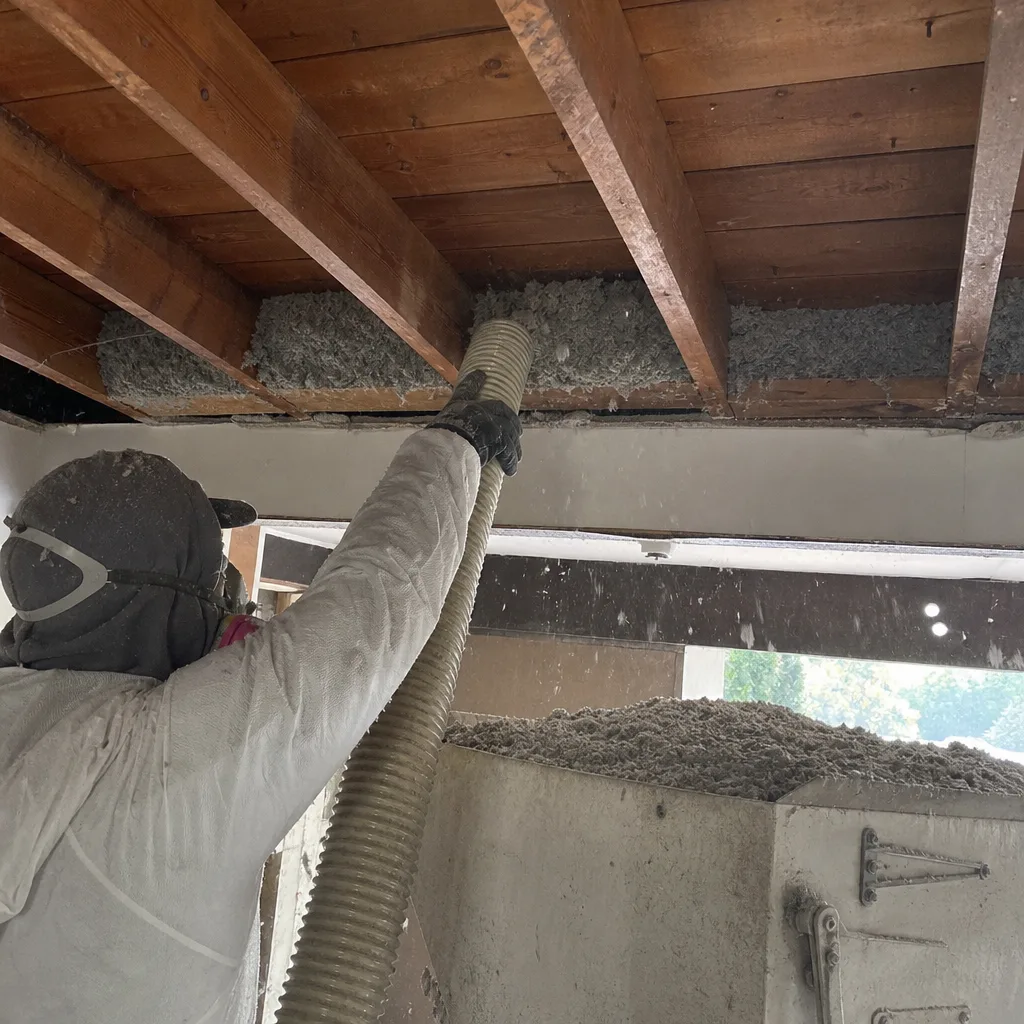
Even without pests, decades of pass winds push fine dust through every gap in the roofline. We vacuum the attic deck, remove old degraded batts, and clear the top plates so air sealing can actually work. For most Banning homes, this adds $500 to $1,200 to the project, but skipping it means your new insulation starts life sitting on a layer of wind-blown filth.
What happens when you call
- 1
A real person answersNo phone trees — you reach a local pro.
- 2
You get an upfront price rangeHonest numbers before anyone is dispatched.
- 3
A background-checked tech heads outLicensed & insured, dispatched right away.
- 4
You approve before work beginsNothing starts until you say go.
Attic Mold Removal in Banning
Attic Mold Removal in Banning homes is a year-round concern, but it spikes after the valley’s monsoon season and during winter condensation cycles. The problem here is the diurnal swing: daytime highs in the 100s followed by sharp nighttime drops create condensation on attic sheathing, especially in those under-ventilated mid-century stucco houses. Add wind-driven rain through old gable vents and you’ve got a mold factory above your ceiling.
Ventilation Assessment and Correction
We always start mold remediation by finding why moisture is trapped. In Banning, that almost always means inadequate ventilation – original passive vents that don’t move enough air through a 1,200-square-foot attic. We assess soffit and gable vent function, then correct the airflow before treating the mold. Otherwise you’re just cleaning the symptom.
Treatment and Prevention in the Pass Climate
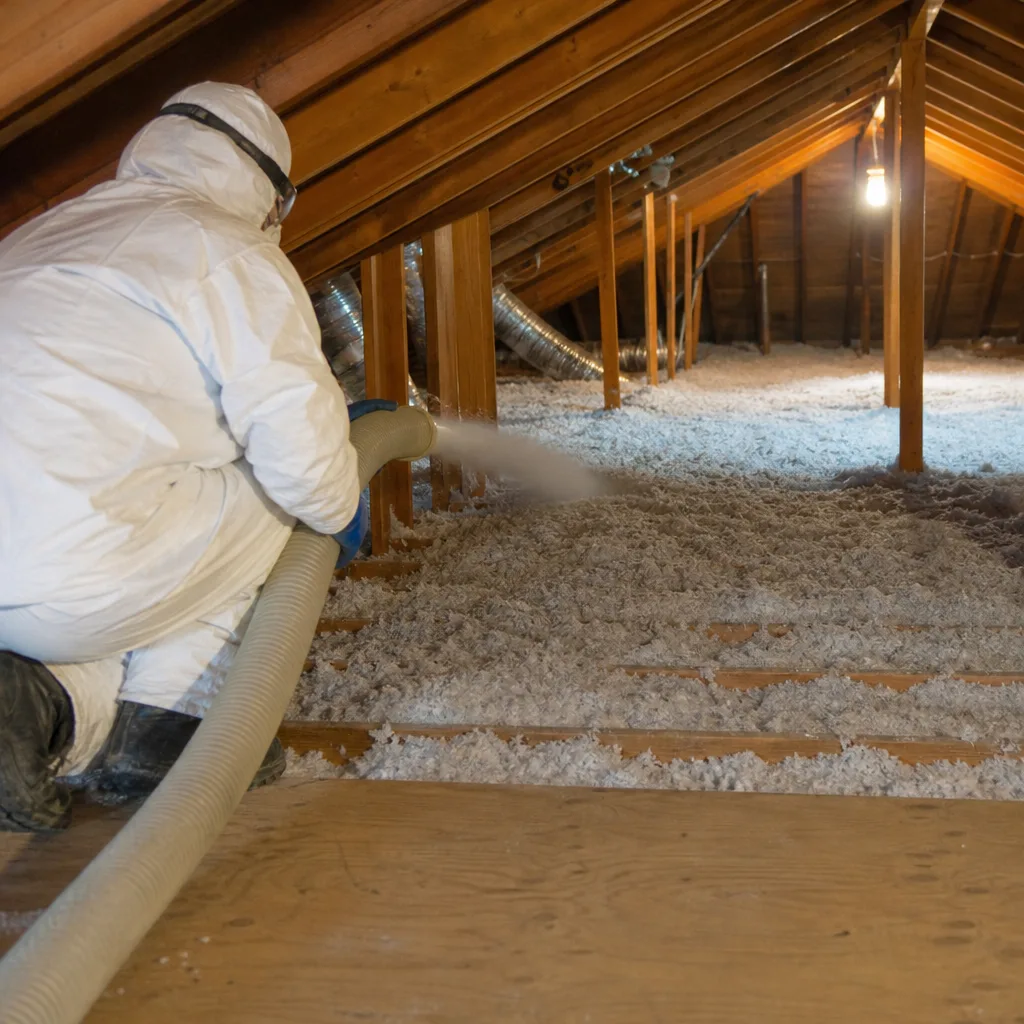
Mold removal in Banning attics typically runs $1,200 to $3,000 depending on square footage and whether structural wood needs treatment. We use professional-grade antimicrobials and, critically, we fix the ventilation that caused the problem. A mid-century Banning home with original vents almost always needs additional intake and exhaust air – that’s part of the estimate, not an upsell.
Trusted Brands We Service in Banning
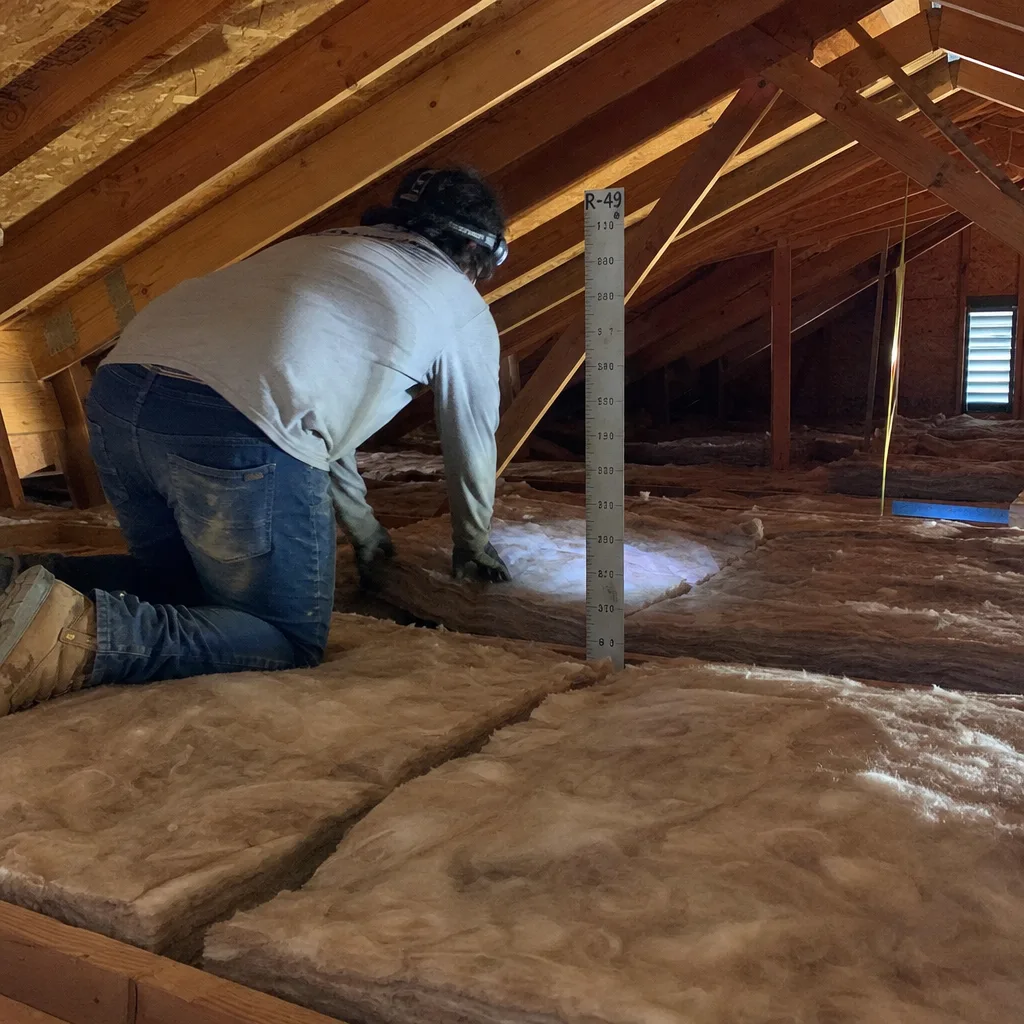
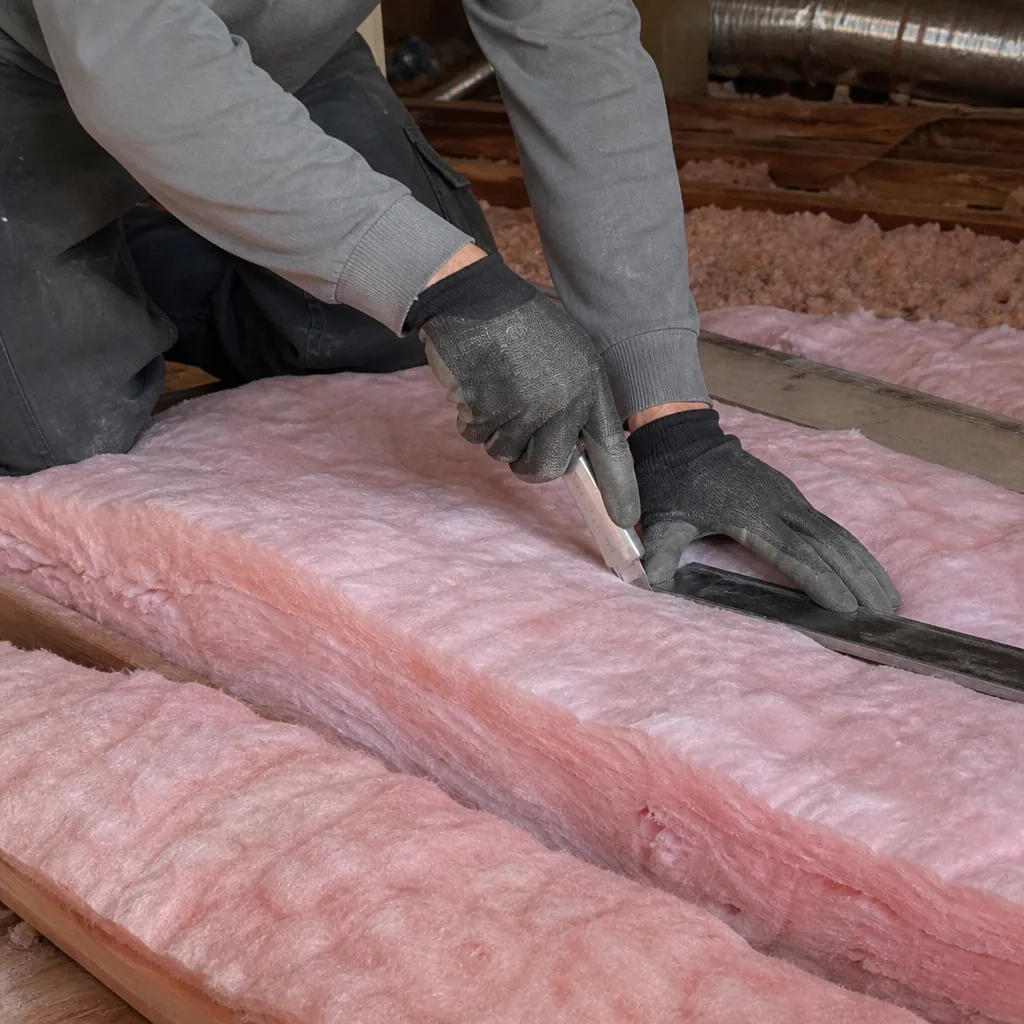
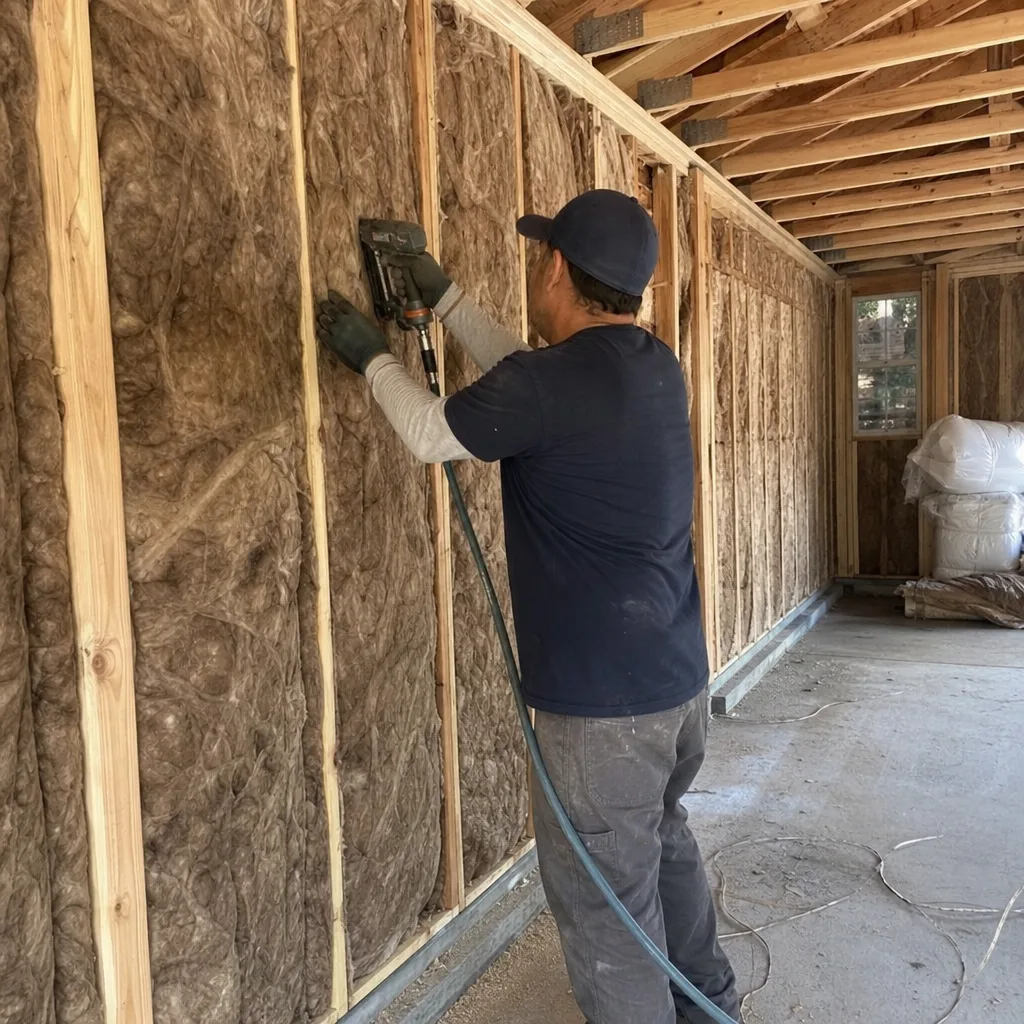
We stock and install Owens Corning and CertainTeed fiberglass products, Rockwool mineral wool, and GreenFiber recycled cellulose, plus Icynene and Demilec spray foam systems. For Banning homeowners, that means genuine choice. CertainTeed batts for a shaded older home where R-value is the priority. GreenFiber cellulose for windy attics where the material’s density helps it hold position. Demilec closed-cell spray foam for an attic that needs both air sealing and structural reinforcement against pass wind uplift. We keep our most-requested products available for fast turnaround on Banning jobs, so you’re not waiting on a warehouse in San Bernardino to ship materials while your ceiling keeps cooking. Allen Decker’s position is simple: carry the right brands, not the convenient ones.
Common Attic Insulation Problems We See in Banning Homes
- Wind-driven insulation drift. The San Gorgonio Pass winds pressurize the attic cavity and physically push loose-fill insulation toward the leeward side, leaving bare decking on the windward half. We see this in nearly every pre-1980 Banning home with original blown insulation.
- UV-degraded batts at gable vents. Unshaded gable vents let high-desert sun hit insulation facings directly, breaking down binders until the batts crumble into dust. That dust settles into the ceiling joists and loses almost all thermal resistance.
- Compacted insulation under thin attic decking. Mid-century Banning homes were built with minimal decking and no ventilation baffles. Decades of heat and foot traffic compress the insulation, and compressed insulation conducts heat instead of resisting it.
- Zero air sealing at top plates. Original stucco construction in Banning rarely included air sealing at wall-to-ceiling junctions. Pass winds force hot or cold air through every gap, and insulation without air sealing just filters the air instead of stopping it.
Pricing for Attic Insulation in Banning, CA
Attic insulation costs in Banning run higher than flatland cities because the wind factor demands better materials and anchoring. A basic attic top-up with blown fiberglass in a standard 1,200-square-foot Banning home runs $1,400 to $2,600. Full removal and replacement in an older stucco home with wind drift and degraded batts runs $3,000 to $5,500, including air sealing and wind baffles. Spray foam for an air-sealed attic in a mid-century Banning home typically lands between $4,000 and $8,000 depending on roof geometry and the foam system chosen – Icynene open-cell versus Demilec closed-cell changes the number. Cleaning and mold remediation are priced separately as described above. Every estimate is free, and Allen Decker or a senior tech walks you through the numbers in plain English. Call (877) 265-5712 for an exact quote.
We Also Serve Cities Near Banning
Our Attic Insulation crews regularly work across the San Gorgonio Pass and into the surrounding foothill communities. If you’re in Cabazon, Calimesa, Yucaipa, or Valle Vista, you’re within our standard service area and we can usually schedule within the same week. The same wind-driven drift that affects Banning homes is even worse up the pass in Cabazon, so we’re no stranger to the conditions. For homeowners across the region, our Attic Insulation in Banning team brings the same eight-brand approach to every job.
Serving Banning, CA — Our Local Coverage Area
We’re based in the Banning area and know this community well. Use the map below to see our service coverage — if you’re nearby, we can almost certainly help.
FAQs About Attic Insulation in Banning
That’s wind-driven drift, and it’s almost certainly the San Gorgonio Pass doing it. Loose-fill insulation installed in the 1960s or 70s gets pushed by air pressure entering the attic cavity, compacting it against the leeward gable. The windward half of your attic deck is likely bare right now, and that bare patch is conducting desert heat straight into your ceiling. We fix this by removing the drifted material, air sealing, then re-insulating with a dense product like GreenFiber cellulose or anchored fiberglass with wind baffles at the eaves. Call (877) 265-5712 and we’ll schedule an attic inspection – estimates are free.
Replace it. Original 1960s insulation in Banning is almost always degraded past the point of repair – rock wool batts crushed flat, fiberglass blown into drifts, facings sun-baked into dust at the vents. Patching new insulation onto old material creates an uneven thermal barrier that still leaks at every seam. Full removal and replacement runs $3,000 to $5,500 for a typical Banning mid-century home, and you’ll see the difference in one summer. Call us for a free estimate and we’ll show you exactly what’s up there.
We anchor it. Loose-fill gets installed with wind baffles at the eaves and, for severe wind zones near the pass mouth, we switch to a denser material like GreenFiber cellulose that holds position better than loose fiberglass. Batt insulation gets properly friction-fitted or stapled, never just laid in place. In some Banning homes we recommend spray foam, which bonds to the decking and physically cannot drift. The right approach depends on your home’s exposure – call (877) 265-5712 and we’ll assess it honestly.
Yes, significantly. Insulation slows heat transfer, but without ventilation an attic in Banning can hit 140°F in August, and that heat eventually saturates the insulation and radiates downward. No radiant barrier means your insulation is absorbing the full brunt of peak desert sun. Mid-century Banning stucco homes almost never had adequate original ventilation. We correct this as part of the job – adding intake and exhaust ventilation, and in many cases a radiant barrier or radiant-barrier sheathing – because insulation without ventilation in this climate is half a fix. Call (877) 265-5712 and we’ll walk you through what your house needs.
No single answer, but the most common correct solution is full removal of the original material, air sealing at every top plate, then blown-in GreenFiber cellulose or CertainTeed fiberglass at R-38 or higher, with wind baffles at the eaves. If the attic has complex geometry or severe wind exposure near the pass, closed-cell Demilec spray foam may outperform loose-fill because it air seals and insulates in one application. Allen Decker will tell you which one your house actually needs and why. Call (877) 265-5712 for a free estimate and a straight recommendation.
Written by Allen Decker, Owner at North Tustin Insulation, serving Banning and the San Gorgonio Pass communities.