
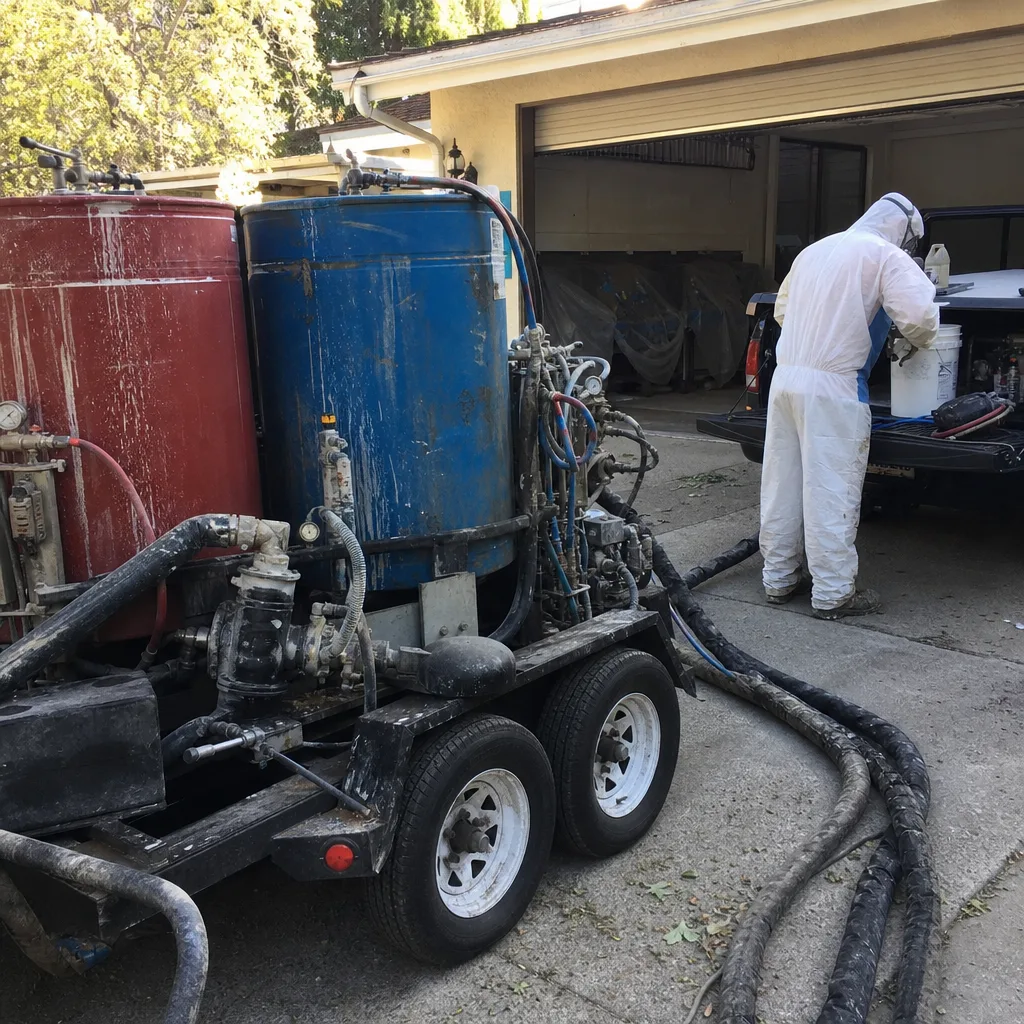
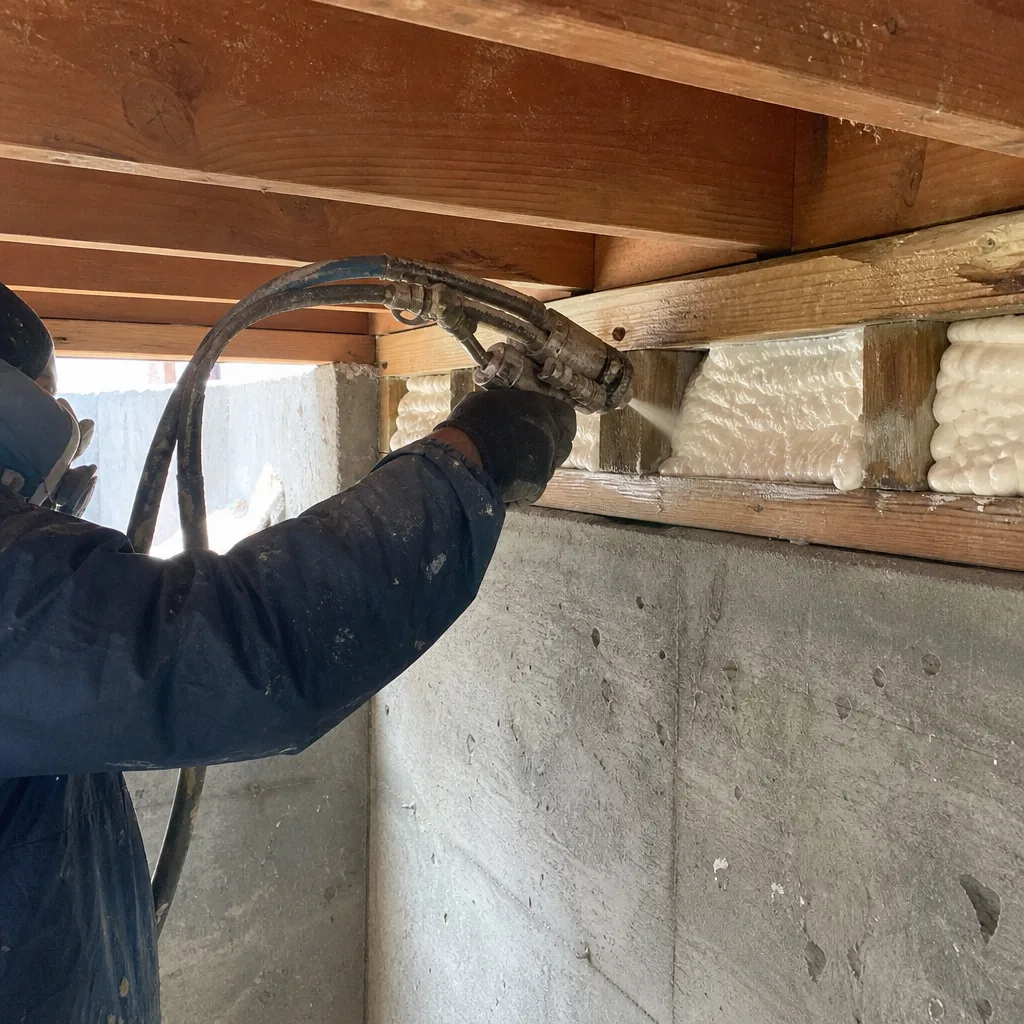
Fast, Reliable Spray Foam Insulation Across Morongo Valley
Spray foam insulation in Morongo Valley isn’t a commodity install. It’s a retrofit engineered for high-desert conditions: 100°F summer days, sub-freezing winter nights, and spring winds that push sand into every crack and cavity. Most homes here were built decades ago, before modern air-sealing standards, and many are owner-built cabins that never had proper insulation at all. We work throughout the 92256 zip code and know exactly what these structures need. If you’re tired of rooms that bake in July and freeze in January, call us at (877) 265-5712 for a straight answer and a free estimate.
Why North Tustin Insulation Is Morongo Valley’s Preferred Spray Foam Insulation Company
We’re an insulation-only contractor, which matters more in Morongo Valley than most places. Older desert homes hide surprises: dust-packed batts, rodent damage, unsealed top plates, wall cavities that leak air like a screen door. A generalist won’t catch those. Our crews see them every week. Allen Decker built this company around one trade, and that focus shows when we open up a 1970s cabin off Highway 62 and immediately know what we’re dealing with.
Morongo Valley homeowners call us because we carry both Spray Foam Insulation systems that actually perform here: Icynene and Demilec. Open-cell for interior sound control and air sealing, closed-cell for structural strength and moisture resistance. We don’t push whichever can happens to be on the truck. We match the foam to your specific home, your exposure to wind, and your budget. That’s the difference between an install that lasts and one that fails in three years.
Spray Foam Attic Insulation in Morongo Valley
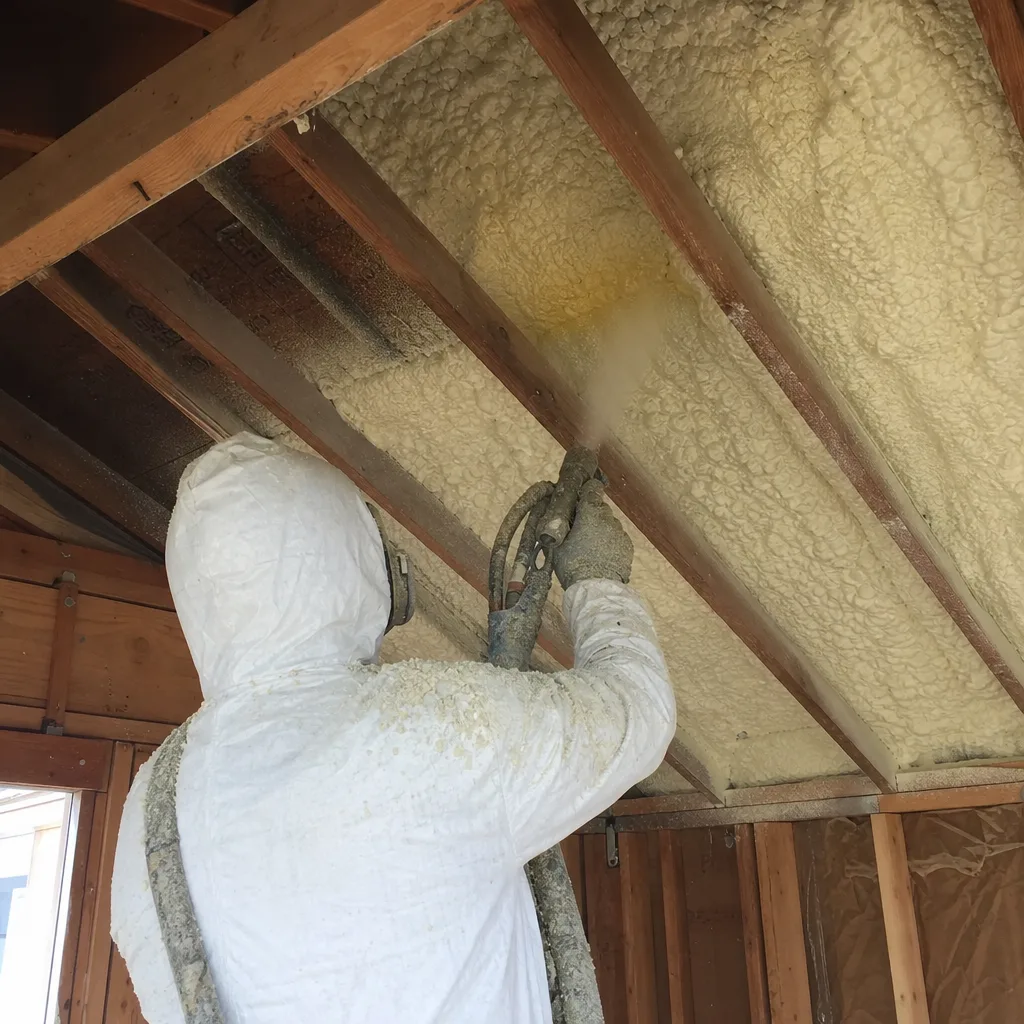
Spray Foam Attic Insulation in Morongo Valley almost always starts the same way: we climb into an attic and find fiberglass batts that have been pulverized by wind-driven sand or hollowed out by pack rats. This isn’t a subtle inefficiency. It’s a total loss of R-value. The fix is removal, air sealing, and foam applied to the roofline or attic floor, depending on whether the attic is vented or conditioned.
The Dust Problem First
Before any foam goes down, the old insulation has to come out. In the Morongo Valley flatlands, we routinely vacuum out batts so packed with fine desert dust they’ve become a solid mat. Spraying over that would be a waste of money. The foam needs a clean substrate to bond, and the attic needs air sealing at every top plate and penetration or the wind will find its way back in.
What It Costs Here
A typical attic spray foam retrofit in Morongo Valley runs $2,800 to $6,500 depending on square footage, roof pitch, and whether we’re doing open-cell at the roofline or closed-cell for a conditioned attic. Homes in the flatter sections off Highway 62 tend to be simpler access, while hillside cabins and additions on irregular foundations add labor time. Call (877) 265-5712 for a line-item estimate based on your actual attic, not a generic square-footage chart.
Spray Foam Wall Insulation in Morongo Valley
Spray Foam Wall Insulation in Morongo Valley is the answer for wood-frame homes with stucco or wood siding that let wind-driven sand abrade and degrade fiberglass over time. We inject foam into existing wall cavities or apply it during renovations when walls are opened. The goal isn’t just R-value. It’s blocking the air and dust path that old desert homes all share.
Retrofit Cavity Injection
For homes that were built without any wall insulation, which is common among owner-built Morongo Valley cabins from the mid-century onward, we use injection foam through small holes drilled in the siding or interior drywall. It fills the cavity, locks out dust, and cuts the constant air exchange that makes the heater and AC work overtime. In unincorporated sections of 92256, many of these structures were never permitted or inspected, so the framing spacing and cavity depth vary wildly. We measure each bay, not assume.
Closed-Cell on West Walls
West-facing walls along the open valley floor take the worst of the spring winds. We recommend closed-cell Demilec foam there for its density and durability. It bonds to the sheathing, adds structural rigidity, and won’t degrade at the edges the way open-cell can when sand and grit hit it year after year. Wall retrofits in Morongo Valley typically run $3,200 to $7,800 depending on access, cavity fill depth, and whether we’re blowing in from outside or inside. Free estimates, no guesswork. Call (877) 265-5712.
Trusted Brands We Service in Morongo Valley
We carry and install Icynene and Demilec spray foam, and we’re an authorized CertainTeed contractor for fiberglass options when foam isn’t the right call. We also stock GreenFiber cellulose for dense-pack wall retrofits in Morongo Valley homes where the budget favors a lower-cost air-sealing solution. We keep materials staged for quick turnaround in 92256, so a dust-damaged attic doesn’t wait three weeks for foam to ship. Eight brands, three installation methods, one contractor focused entirely on insulation. That’s the full Morongo Valley coverage we bring to every call.
Common Spray Foam Insulation Problems We See in Morongo Valley Homes
- Dust-packed attics under old batts. Years of spring winds force fine sand through vents and gaps, turning fiberglass into a dense mat with near-zero R-value. The fix starts with removal, not adding more on top.
- Rodent damage in rural lots. Pack rats and mice nest in open insulation and chew through open-cell foam. We see it constantly in cabins on larger acreage where pest pressure is high. Closed-cell or pest-resistant barriers solve it.
- Adhesion failure from skipping prep. Spray foam sprayed over existing dust or debris peels away within a season or two. You can’t shortcut the cleaning and air-sealing stage, especially in the flatlands where the wind never stops.
- Missing thermal barriers on open-cell retrofits. Older cabins that were never permitted often get open-cell foam at the roofline without an ignition barrier. That’s a code violation and a fire-safety issue, and we correct it on nearly every cabin retrofit we take on.
Pricing for Spray Foam Insulation in Morongo Valley, CA
Here are honest numbers for the Morongo Valley market. Attic spray foam runs $2,800 to $6,500. Wall cavity injection runs $3,200 to $7,800. Closed-cell roof decks on smaller cabins start around $4,000 and climb based on square footage and access. The price difference between open-cell and closed-cell is roughly $1.50 to $2.50 per board foot here, and in Morongo Valley’s climate we usually recommend closed-cell on wind-exposed surfaces and open-cell for interior walls and sound control. Every estimate includes the prep work: removal of old insulation, air sealing, and dust mitigation. You’ll get a written, line-item quote before any work starts. Call (877) 265-5712 to schedule a free walkthrough.
We Also Serve Cities Near Morongo Valley
Our crews work throughout the Morongo Basin and the surrounding high desert. You’ll find us in Desert Edge, Garnet, Desert Hot Springs, and Yucca Valley, dealing with the same wind-driven dust and older housing stock we see in Morongo Valley. Same brands, same prep standards, same straight answers. If you’re on the edge of 92256 or just outside it, call (877) 265-5712 and we’ll tell you when we can be there.
Serving Morongo Valley, CA — Our Local Coverage Area
We’re based in the Morongo Valley area and know this community well. Use the map below to see our service coverage — if you’re nearby, we can almost certainly help.
FAQs About Spray Foam Insulation in Morongo Valley
Yes, and it’s actually one of the best materials for that exact condition. The day-night swing in Morongo Valley can exceed 40 degrees, which means your walls and attic never get a break from thermal cycling. Closed-cell spray foam stabilizes indoor temperatures and blocks the air movement that makes those swings so expensive. Call (877) 265-5712 and we’ll tell you which foam fits your specific home.
Yes, and that’s a significant share of the work we do in 92256. These cabins often have open wall cavities, unsealed attics, and framing that was never built to modern Title 24 standards. We air seal first, then apply foam to the roofline or walls depending on the structure. It’s a retrofit that transforms comfort and cuts utility bills immediately.
Air sealing is the only real answer. The sand comes in through vents, gaps at top plates, and unsealed penetrations. Closed-cell foam at the roofline seals the attic entirely, and for vented attics we seal every seam before adding new insulation. Call (877) 265-5712 for a free inspection of where your sand entry points are.
In most cases, yes. Building codes require a thermal or ignition barrier over foam in living spaces and accessible attics. We handle that as part of the installation, whether it’s a drywall cover, an intumescent coating, or another approved method. We see a lot of unpermitted retrofits in Morongo Valley that skipped this step, and we correct it on every project.
Attic spray foam in Morongo Valley runs $2,800 to $6,500, wall injection runs $3,200 to $7,800, and closed-cell roof decks start around $4,000. The exact number depends on square footage, access, and whether we’re removing old dust-packed insulation first. Estimates are free and line-itemed. Call (877) 265-5712 and we’ll give you a real number, not a range with fine print.
Written by Allen Decker, Owner at North Tustin Insulation, serving Morongo Valley and the Morongo Basin.